Search
All search results for "ski jump"
(266)
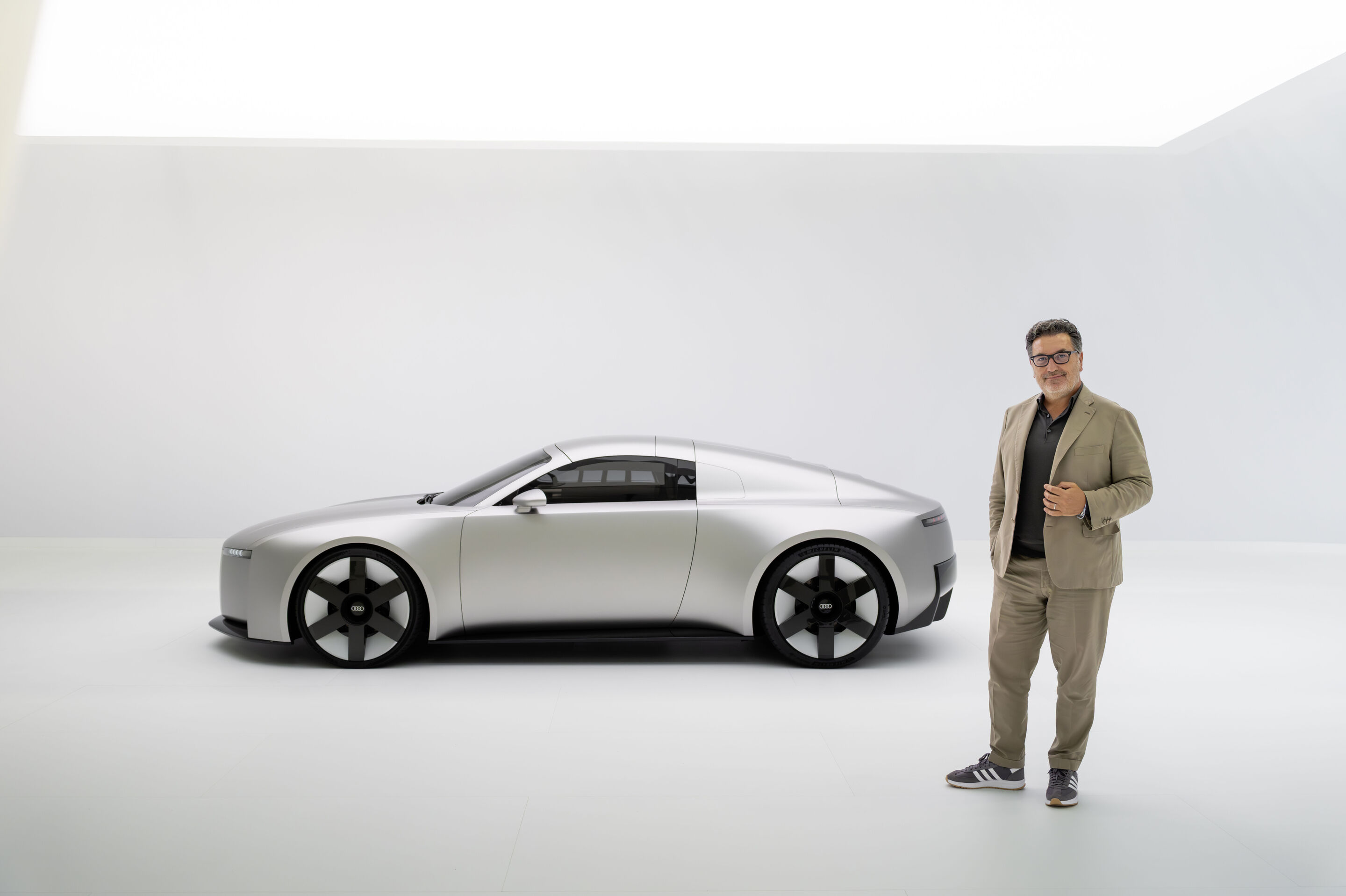 “Radical simplicity at the heart of our approach”
Audi presents its new design philosophy – a bold step intended to reshape the way the company thinks. Massimo Frascella, Chief Creative Officer, speaks about this profound transformation, what it means for the brand and its experiences, and the introduction of a new design language.
Massimo, about a year after your arrival in Ingolstadt, Audi is presenting a new design philosophy. What should the brand stand for in the future? Massimo Frascella: Our vision is a call to action for the whole company – and is essential for making our brand truly distinctive once again. It is the philosophy behind every decision we make, and we aim to apply its principles across the entire organization. We call it “The Radical Next.” So design is no longer just a creator of form but also a driving force? Massimo Frascella: Exactly! We understand design in its broadest sense: embracing every aspect of the Audi experience. We want to shape a brand capable of inspiring desire and creating cultural impact. Will Vorsprung durch Technik remain a central brand promise? Massimo Frascella: Of course! In the 1980s, when the Audi 100 quattro drove up a ski jump, it was a symbol of technical advancement and the will to make the impossible possible. For us, technology is a means to progress, not an end in itself. We neither want to hide it nor show it off – it should inspire without being dominant. For Audi, technology is a given, unobtrusive and yet functional and present when the customer wants it. It is a seamless part of the experience. The Audi TT has fans all over the world. You also seem to have a very special relationship with this car. Massimo Frascella: That’s true. In 1998, when the first Audi TT arrived at a dealership in Turin, I took a day off work to just look at the car in peace. I was there for hours, looking at the car from every angle, touching every surface. The staff probably thought I was crazy. But for me, the TT was more than just a car.
 DSV athlete Freitag also successful at the Four Hills Tournament
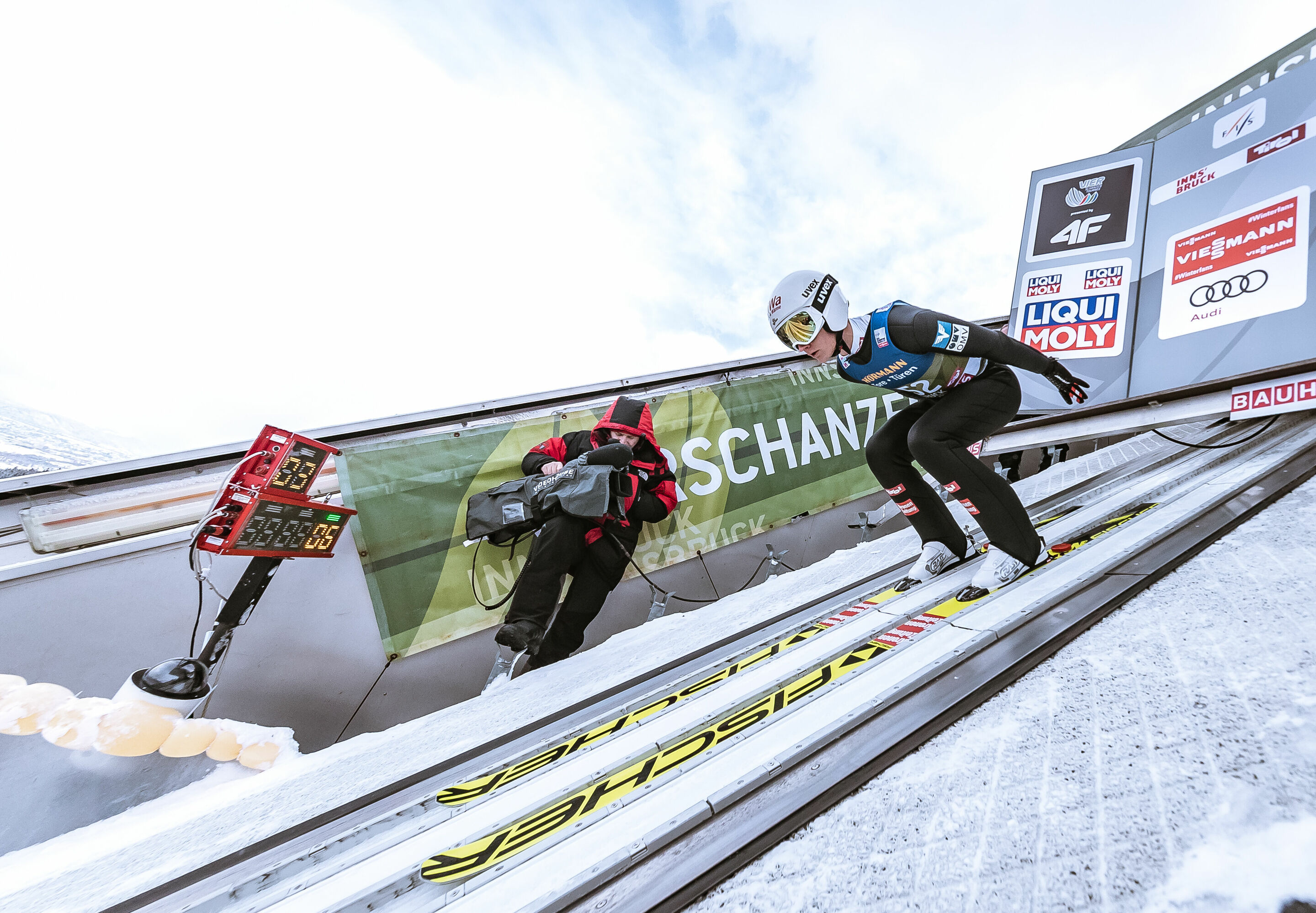
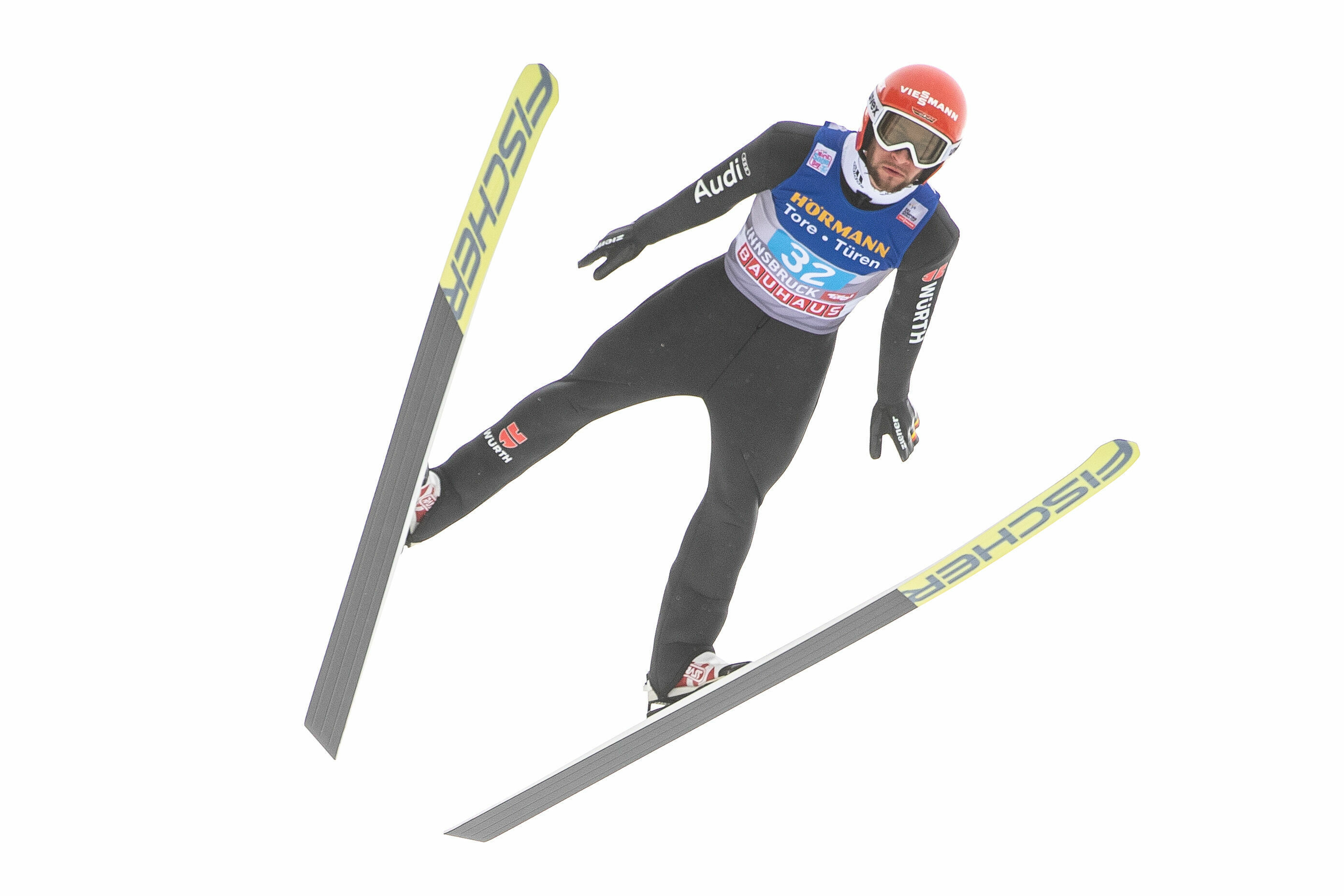
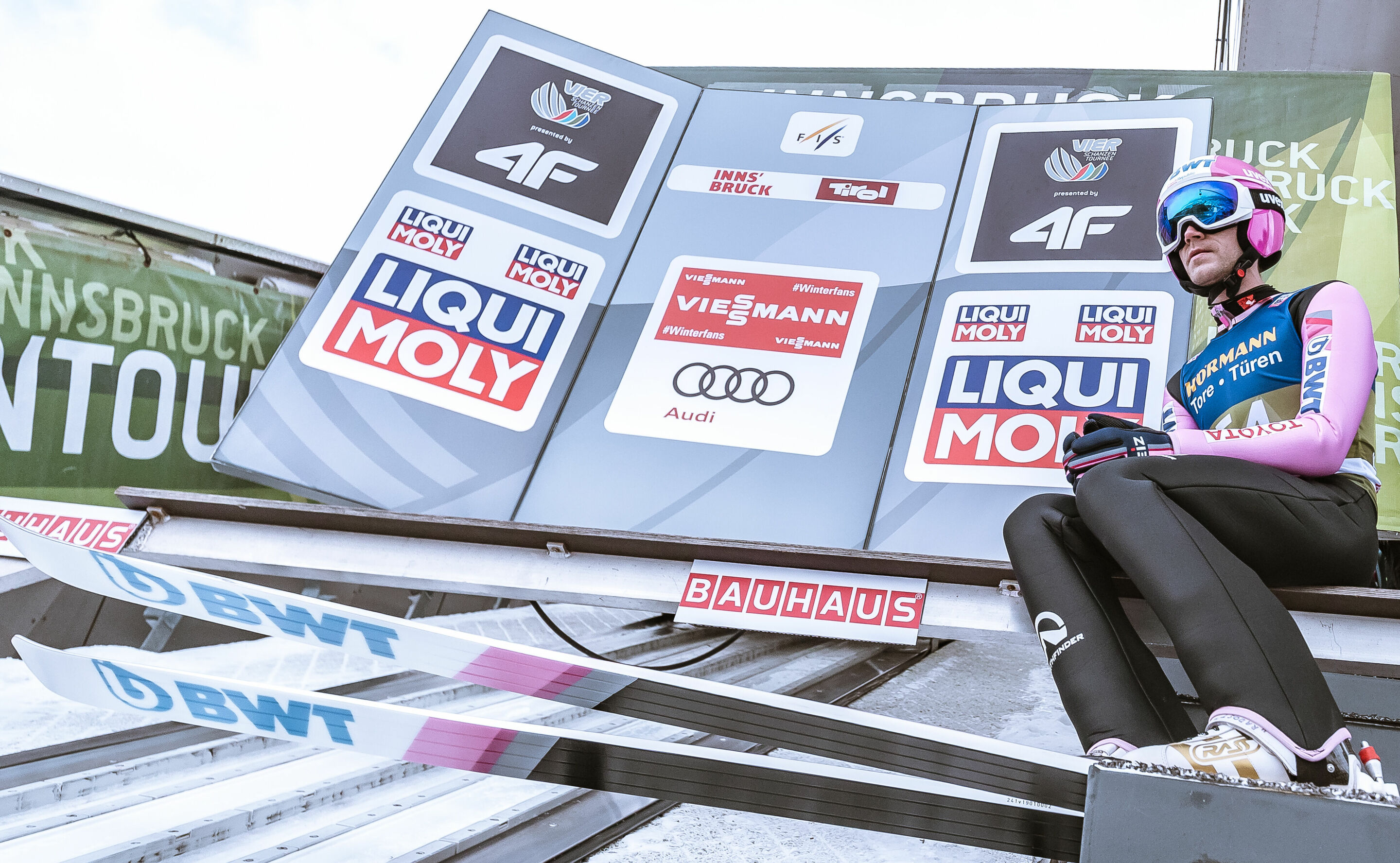
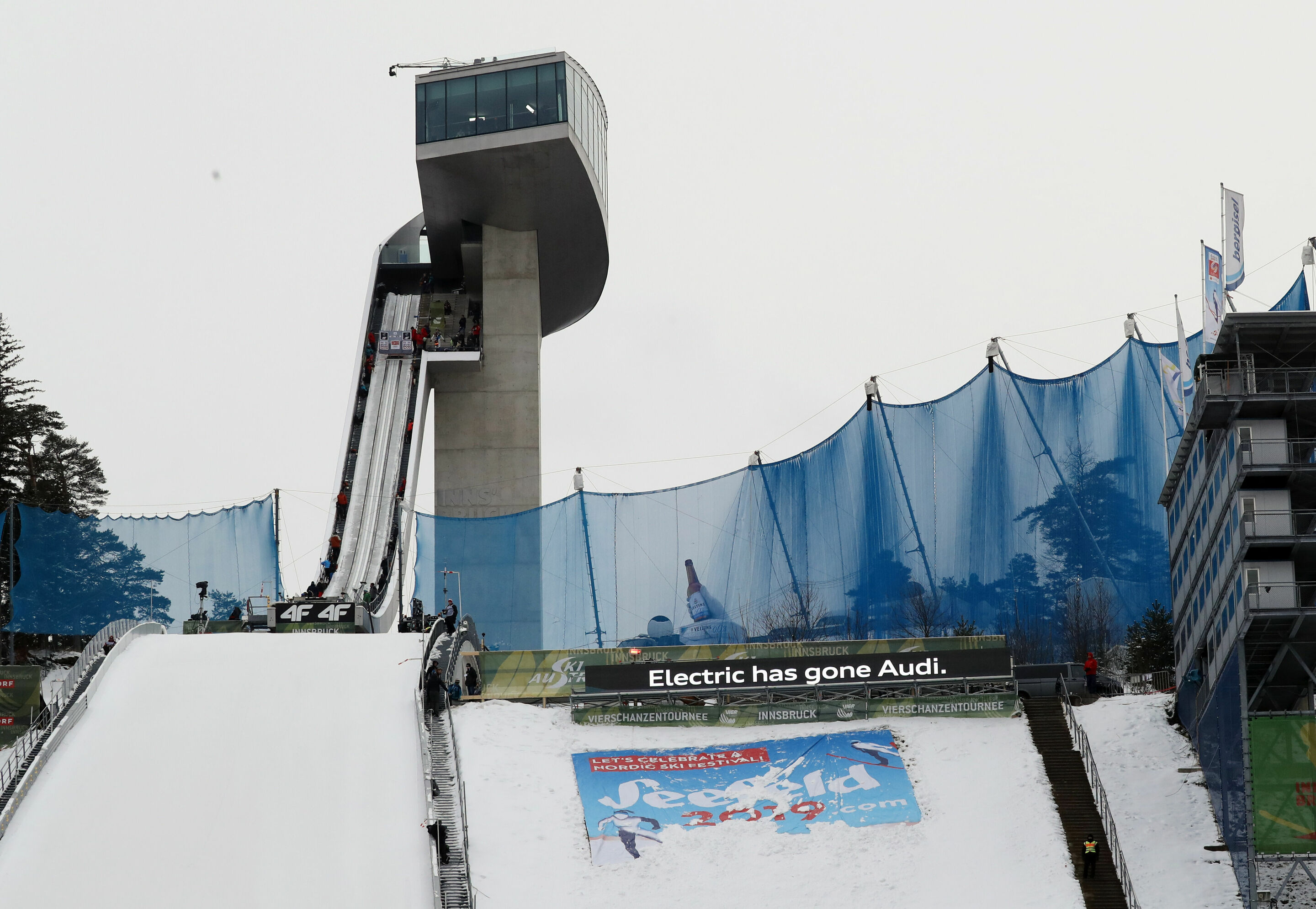
The ski jumpers from the German Ski Association (DSV) have been able to continue their good form at the beginning of the new season at the Four Hills Tournament, following their strong performances at previous World Cup events. The hopes of the German team rest mainly on the World Cup leader Richard Freitag: The 26-year-old, who finished runner-up to defending champion Kamil Stoch from Poland during the opener in Oberstdorf, also secured second place on the Olympic ski jump in Garmisch-Partenkirchen, again finishing behind winner Stoch and ahead of Norwegian Anders Fannemel. Karl Geiger (seventh) and Stephan Leyhe (tenth) also achieved results within the top ten. Approximately 21,000 spectators attended the skijumping spectacle on the Gudiberg. The presence of Audi at the event included the highlight of having the Audi Elaine concept car on display. The design and engineering study, the Audi e-tron Sportback concept, will also be on display during the finale of the Four Hills Tournament in Bischofshofen (Austria), January 6th. More photos from the Four Hills Tournament can be found here.

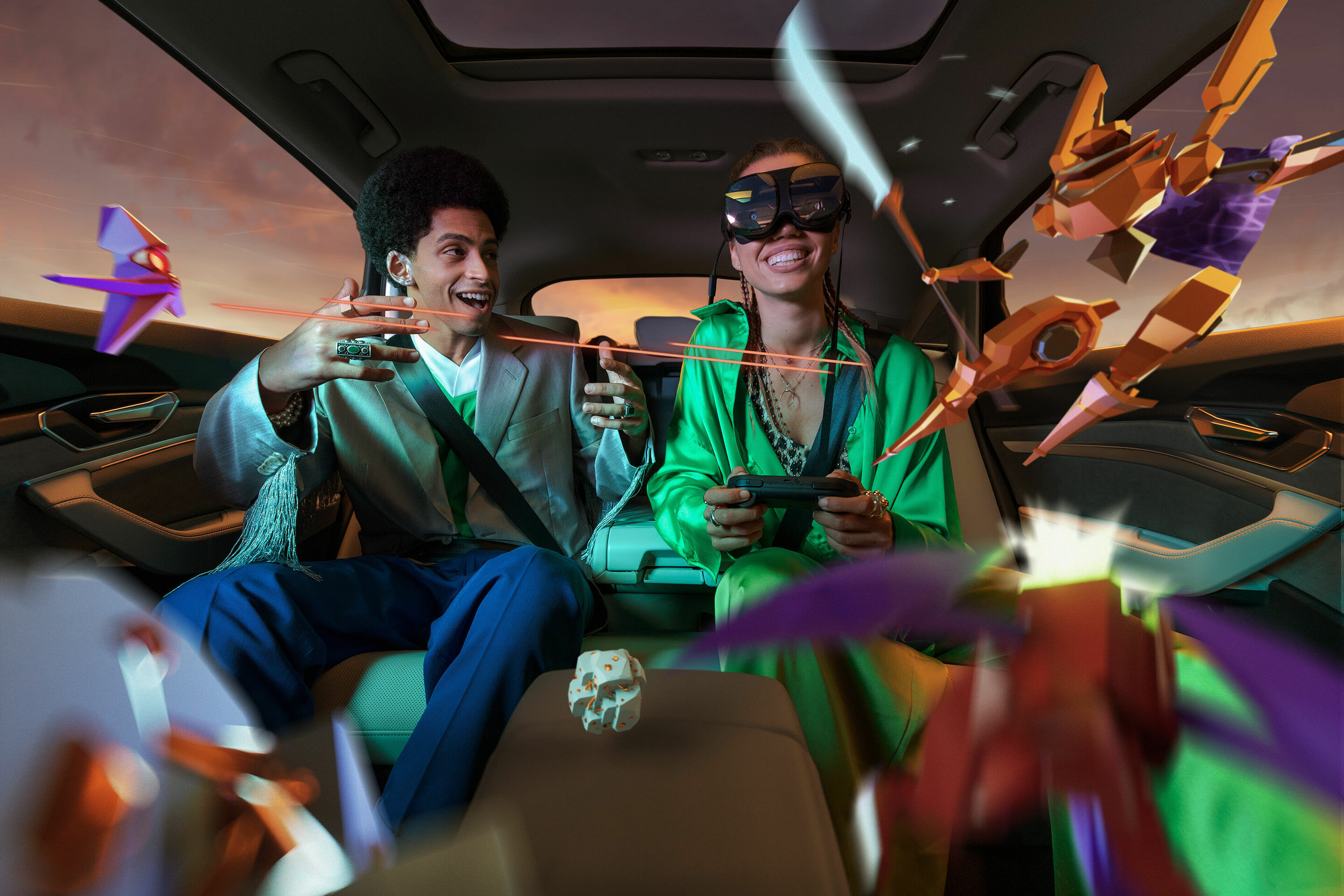 holoride´s cutting edge in-car entertainment platform launches for select Audi models
“Despite amazing advances in automotive technology over the last few decades, passenger experience and in-car entertainment has remained largely the same,” said Nils Wollny, CEO and co-founder at holoride. “With the introduction of holoride, we are not only elevating that stale experience; we are redefining how you spend your time on the go. I couldn’t be more excited for riders to finally enjoy the thrills of the Motorverse for themselves.” The integration of holoride into Audi select series vehicles is a continuation of holoride’s shared history with the German premium auto manufacturer. Since 2019, both Audi and holoride have showcased their ongoing partnership on different occasions, including CES 2019, IAA Mobility 2021, and SXSW 2022, where holoride’s vehicle integration with Audi was officially announced. "By integrating holoride in our models, we're redefining in-car entertainment," said Giorgio Delucchi, Head of Digital Experience/Business at Audi. "Through combining real-time vehicle data and virtual content, we're creating an entirely new customer experience. A crucial cornerstone of the vehicle's digitalization is developing the interior into a third living space. In this very personal space, living and working coalesce. holoride is another proof point in our roadmap." At launch, holoride users will be able to dive into Cloudbreakers: Leaving Haven from Schell Games, the studio that brought Among Us to VR. It was produced in partnership with Superconductor, the creative agency founded by Hollywood talents Justin Lin (Fast & Furious franchise) and Anthony and Joe Russo (Marvel Cinematic Universe). The Russo Brothers also served as creative advisors to holoride. Brent Friedman and Jeremy Breslau, the two veteran writers of blockbuster film, TV, and game franchises wrote the Cloudbreakers’ unique universe and story.
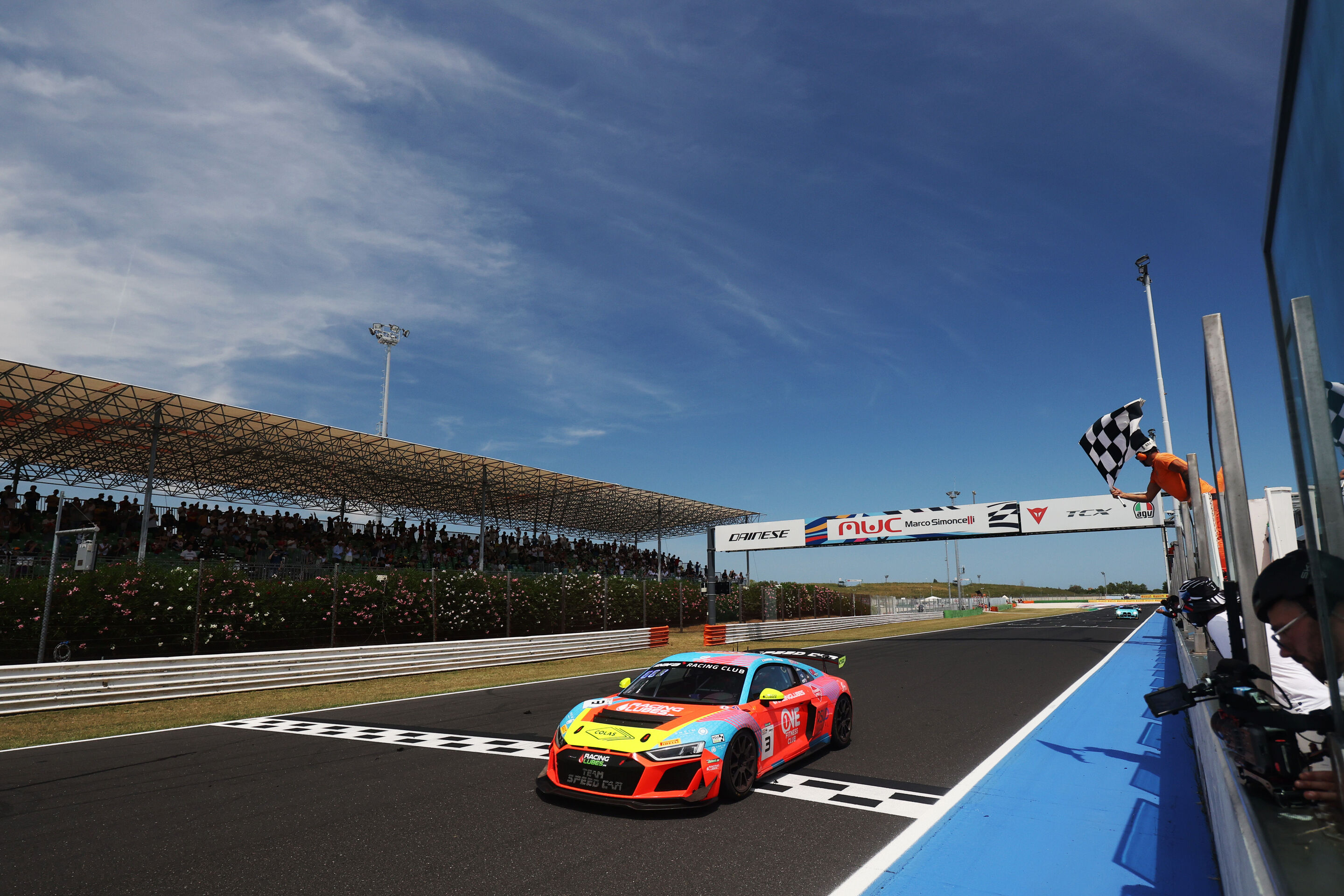 Audi customer team extends GT4 championship lead
Close-to-production Audi R8 LMS GT4 leads top European category GT3 podium successes for Audi customer teams on three continents More trophies for TCR touring cars from Audi Sport
The Audi customer team Speedcar remains the measure of all things in the GT4 European Series. After the recent double success, the team’s two drivers are now going for the title ahead of schedule. Teams in other categories also made a convincing international start to the second half of the season.
Audi R8 LMS GT4 On course for the title in Europe: Team Speedcar celebrated its most successful weekend to date at the fourth event of the GT4 European Series powered by Rafa Racing Club. In Misano, Robert Consani/Benjamin Lariche won both sprint races for the first time this year. Lariche started the first race in third place in the Audi R8 LMS GT4. The Frenchman stayed behind two opponents until the mandatory pit stop and deliberately conserved his tires. Robert Consani took over the cockpit, was eager to attack and initially overtook a McLaren. He then fought a door-to-door duel with the leading Mercedes-AMG over several corners, which he overtook on the 29th of 34 laps. A half-second lead was enough for Consani and his teammate to take their third win of the season. A third place for Julien Ripert/Philippe Thalamy in the amateur classification in another Audi R8 LMS GT4 rounded off a successful day for Team Speedcar. On Sunday, Consani started from pole position. Although the Frenchman lost his lead in a safety car phase, he still handed the cockpit over to Benjamin Lariche in the lead. After all the competitors had completed their stops, the Frenchman was back in first place. Even an electrical problem affecting ABS and traction control in the final phase did not prevent the Audi privateer driver from crossing the finish line with a 1.6-second lead. Robert Consani/Benjamin Lariche have increased their lead in the standings to 79 points after four of six events.
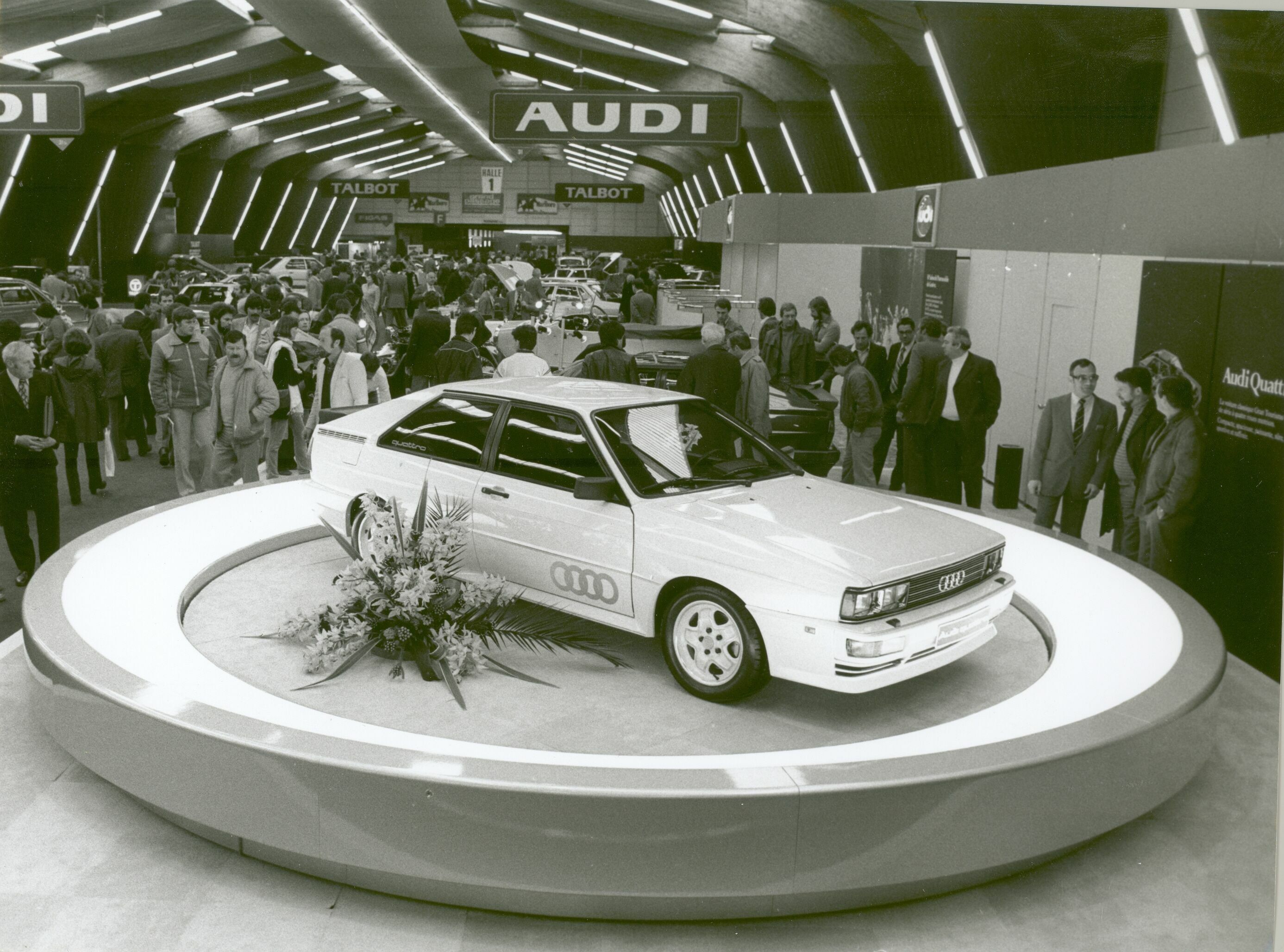 40 years, 40 figures, 40 images: fascinating facts and tales about Audi’s quattro technology
As a result, the race car was able to utilize this temporary quattro drive system during acceleration. 3 electric motors supply propulsive power in the new Audi e-tron S and Audi e-tron S Sportback – a world first in volume production. The two electric motors on the rear axle enable electric torque vectoring, the need-based distribution of propulsive power to individual wheels on the left and right. 3.1 seconds is how long it takes the Sport quattro S1 with the medium manual transmission ratio to accelerate from 0 to 100 km/h (62.1 mph). The rally car that Audi used for the first time in 1985 produced 350 kW (476 PS) with its five-cylinder turbo engine and weighed only 1,090 kilograms (2403.0 lb). 4 different all-wheel drive clutches and 4 different center differentials are in use across the entire Audi model range. The self-locking center differential was designed for the models with longitudinally mounted front engines and eight-speed tiptronic. In some engine versions, it works with the sport differential on the rear axle, which distributes the drive torques between the wheels depending on the driving situation. In the models with longitudinally mounted engines, the seven-speed S tronic partners with the quattro with ultra technology, which uses two clutches. In the compact Audi models with transverse engines, a hydraulically controlled multi-plate clutch takes charge, which sits on the rear axle for better weight distribution.
40 years, 40 figures, 40 images: fascinating facts and tales about Audi’s quattro technology
The R8 high-performance sports car also features a controlled multi-plate clutch, but in this case it is positioned on the front axle. 5 kilograms (11.0 lb) was the approximate weight of first self-locking Torsen center differential used in the original Audi quattro in 1986. The basic distribution was 50:50 between the front and rear axles. Today, the self-locking Torsen center differential in the models with longitudinally mounted engines weighs only around 3 kilograms (6.6 lbs) and has a basic distribution of 40 percent to the front axle and 60 percent ot he rear axle. 6 minutes and 29 seconds was the lead that Walter Röhrl held over the runner-up at the Rallye Sanremo in 1985 with the Sport quattro S1. In the last race of the season, the British RAC Rally, Röhrl used a dual-clutch transmission that was actuated pneumatically. A precursor of today’s S tronic, it was a real first at the time. Today’s electronic possibilities are what make the efficiency and functionality of our modern dual-clutch transmission and the active integration in the overall tuning of the car possible. 10 minutes and 47.85 seconds was the time with which Röhrl triumphed with the Audi Sport quattro S1 at the Pikes Peak Hill Climb (USA) in 1987.
 Jürgen Rittersberger - Finance, Legal Affairs & IT
Member of the Board of Management at AUDI AG Finance, Legal Affairs and IT
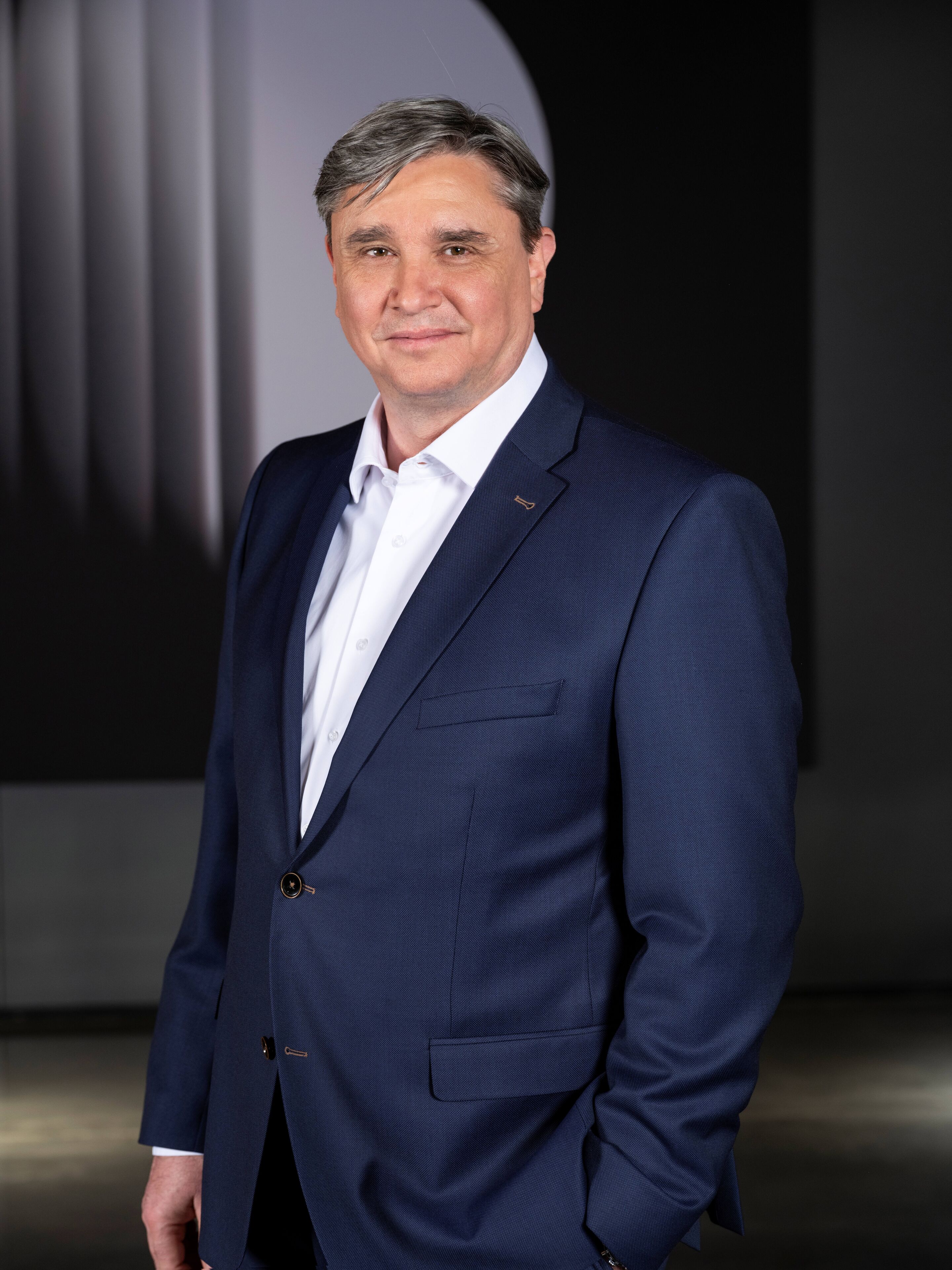
Jürgen Rittersberger was born in Mannheim on July 2, 1972. Rittersberger graduated from the University of Mannheim with a degree in business information systems in 1999. The same year, he began his professional career in controlling at Philipp Holzmann AG and later at DIBAG Industriebau AG. Rittersberger has worked for the Volkswagen Group since 2002. He started at Porsche’s Strategic Projects unit before switching to Investment Management. Since 2010, he has been in charge of the General Secretariat and Corporate Development at Porsche AG. Porsche appointed Rittersberger to the position of Executive Vice President in late 2015. He then moved to the headquarter of the Volkswagen Group in Wolfsburg in September 2018. Rittersberger was placed in charge of the General Secretariat and Group Strategy at Volkswagen AG. In May 2020, he was appointed Executive Vice President of Volkswagen AG. Rittersberger has been a member of the Board of Management of AUDI AG since April 1, 2021, and is responsible for Finance, Legal Affairs and IT. He has also been Chief Operating Officer (COO) since January 1, 2024.
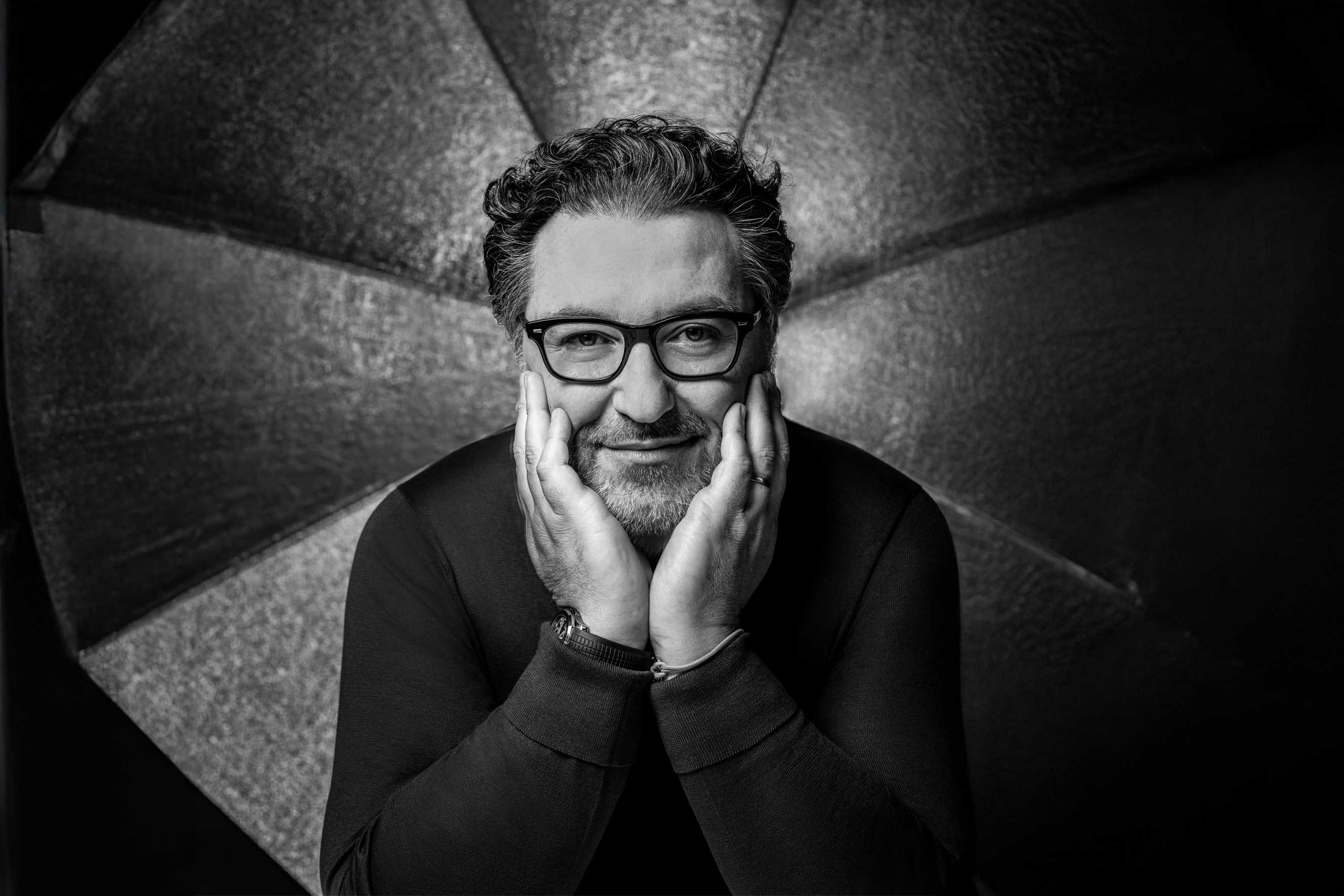 Massimo Frascella - Biography
His journey began at the Instituto d’Arte Applicata & Design in Turin, where he cultivated his talent and passion for automotive design. After graduating, he began his career at the legendary Stile Bertone, an Italian design studio known for creating concepts and vehicles for global automotive brands, leaving a significant mark on automotive history. During this time Frascella learned the fundamental craft of automotive design. He was later recruited to work at Ford Motor Company in the UK and his quest for new challenges took him to Lincoln/Mercury and afterwards Kia in California, USA. In 2011, Frascella joined Jaguar Land Rover, where he has held leading positions and most recently was the Head of Design for both historic brands. He was responsible for shaping the new design of the iconic Land Rover Defender and more recently the new Range Rover and Range Rover Sport models. As of June 1st, 2024 he took on the role of Chief Creative Officer at AUDI AG. In his position as creative director for brand creative design, he is responsible for the holistic design of every customer touchpoint with the Audi brand. Furthermore, he oversees all aspects of the automotive design such as Exterior, Interior, Colour & Materials, User Interface and User Experience design, Motorsport vehicles and Design Strategy. The design philosophy of Frascella is rooted in simplicity, sophistication and clarity – values he aims to incorporate into every aspect of Audi’s touchpoints to strengthen the brand through a consistent look & feel in all manifestations. Together with Frascella the Audi Design team stand for carving out design as the emotional force that can inspire, connect and drive change, and to cultivate and promote creativity as the beating heart of the brand.