Search
All search results for "front suspension"
(565)
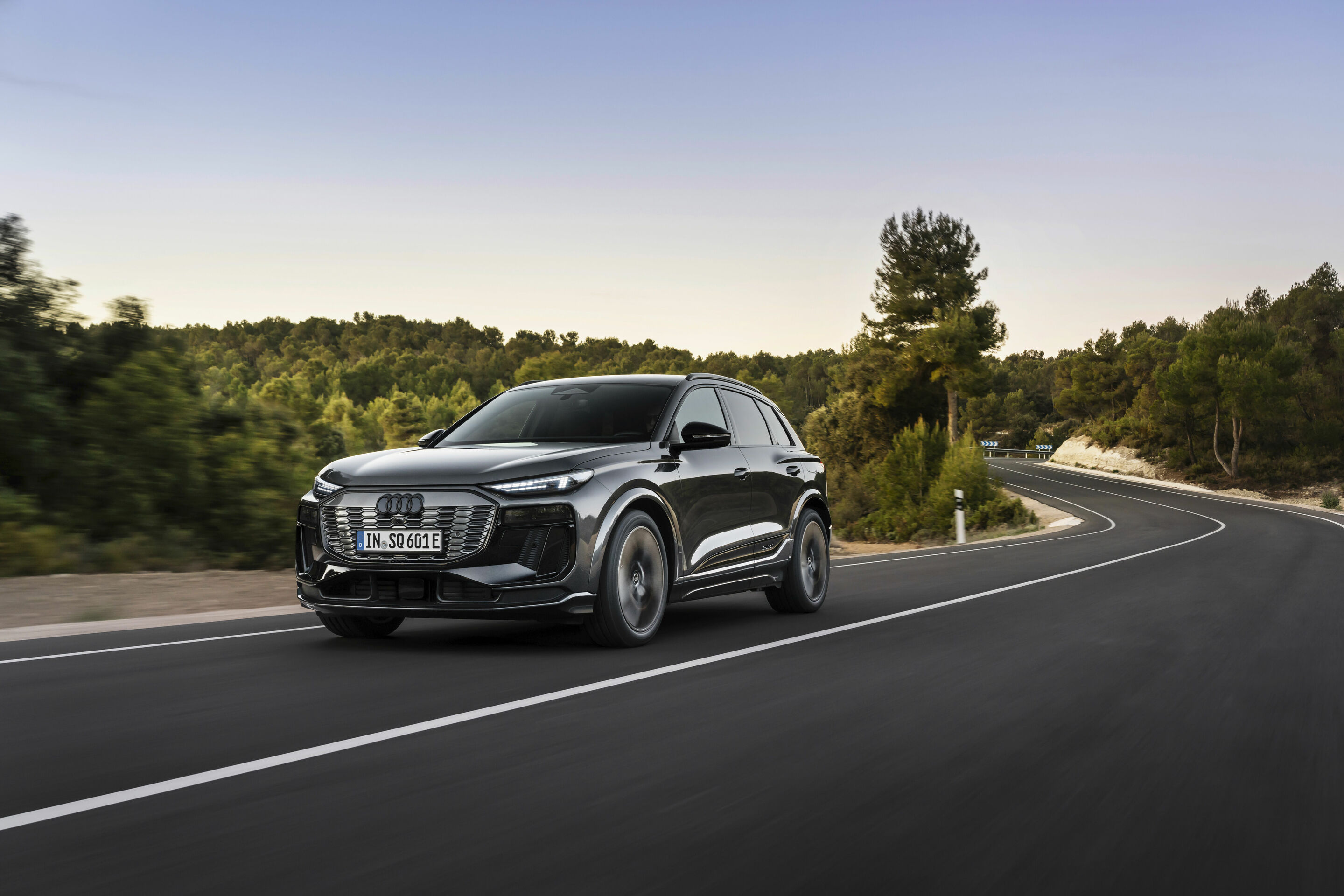
The optionally available electronically controlled sport air suspension underscores the sporty genes of the SQ6 e-tron.
Images
Videos
Drive type All-wheel drive
Number of electric motors front axle / rear axle 1 / 1
Electrical torque output front / rear in Nm (lb-ft) 275 / 580 (202.8 / 427.8)
Battery type / Gross / net battery capacity in kWh Lithium-Ion / 100 / 94.9
Top speed in km/h (mph) 230 (142.9) (governed)
electrical acceleration, 0-100 km/h (62.1 mph) in s 4,4
Electrical range, combined in km (mi) 560 - 597 (348.0 - 371.0)
Electric power consumption, combined in kWh/100 km (62.1 mi) 18.6 - 17.5
CO2 emissions, combined in g/km (g/mi) 0
CO2 class A
Unladen weight without driver / with driver / gross weight limit in kg (lb) 2350 / 2425 / 2965 (5180.9 / 5346.2 / 6536.7)
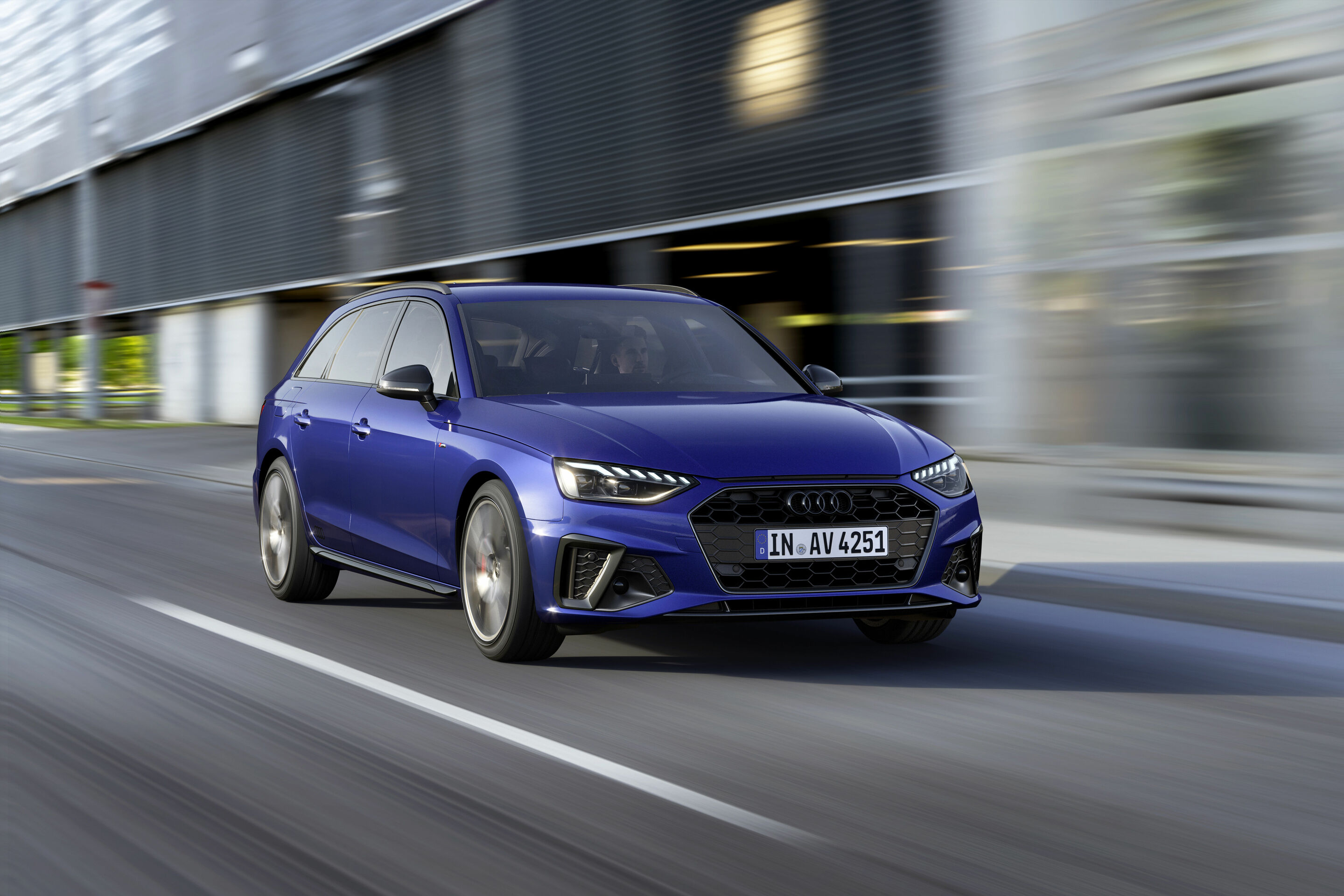
Audi A4 30 TDI Sedan Avant Displacement in cc 1,968 1,968 Max. power output in kW (metric hp) at rpm 100 (136) 3,000–4,400 100 (136) 3,000–4,400 Max. torque in Nm (lb-ft) at rpm 320 (236.0) at 1,500–2,750 320 (236.0) at 1,500–2,750 Top speed in km/h (mph) 214 (133.0) 211 (131.1) Acceleration 0–100 km/h (0–62.1 mph) in s 9.5 9.8 Fuel consumption (combined) in l/100 km (US mpg) 4.3–3.9* (54.7–60.3) 4.3–4.0* (54.7–58.8) Combined CO2 emissions in g/km (g/mi): 112–102* (180.2–164.2) 113–104* (181.9–167.4) Drive Front-wheel drive Front-wheel drive Audi A4 35 TDI Sedan Avant Displacement in cc 1,968 1,968 Max. power output in kW (metric hp) at rpm 120 (163) at 3,215–4,200 120 (163) at 3,215–4,200 Max. torque in Nm (lb-ft) at rpm 380 (280.3) at 1,500–2,750 380 (280.3) at 1,500–2,750 Top speed in km/h (mph) 228 (141.7) 223 (138.6) Acceleration 0–100 km/h (0–62.1 mph) in s 8.2 8.5 Fuel consumption (combined) in l/100 km (US mpg) 4.1–3.8* (57.4–61.9) 4.2–3.9* (56.0–60.3) Combined CO2 emissions in g/km (g/mi): 109-100* (175.4–160.9) 110-101* (177.0–162.5) Drive Front-wheel drive Front-wheel drive Audi A4 40 TDI Sedan Avant Displacement in cc 1,968 1,968 Max. power output in kW (metric hp) at rpm 140 (190) at 3,800–4,200 140 (190) at 3,800–4,200 Max. torque in Nm (lb-ft) at rpm 400 (295.0) at 1,750–3,000 400 (295.0) at 1,750–3,000 Top speed in km/h (mph) 241 (149.8) 231 (371.8) Acceleration 0–100 km/h (0–62.1 mph) in s 7.7 7.9 Fuel consumption (combined) in l/100 km (US mpg) 5.3–4.9* (44.4–48.0) 5.3–5.0* (44.4–47.0) Combined CO2 emissions in g/km (g/mi): 139–131* (223.7–210.8) 140–131* (225.3–210.8) Drive Front-wheel drive, quattr option Front-wheel drive, quattro option Audi A4 45 TDI Sedan Avant Displacement in cc 2,967 2,967 Max. power output in kW (metric hp) at rpm 170 (231) at 3,250–4,750 170 (231) at 3,250–4,750 Max. torque in Nm (lb-ft) at rpm 500 (368.8) at 1,750–3,250 500 (368.8) at 1,750–3,250 Top speed in km/h (mph) 250 (155.3) 249 (154.7) Acceleration 0–100 km/h (0–62.1
 Suspension
Selecting a particular mode changes the character of the relevant drive and suspension components: the result can range from comfort-oriented to distinctly dynamic to very fuel-efficient driving. In individual mode, the setup can be configured according to personal preferences. The Q and allroad models also have the allroad and offroad modes, which, in combination with the adaptive air suspension, adjust the car for off-road driving. Audi drive select influences the characteristics of the engine and steering in all models. Optional components (depending on the model) complete the range. On some particularly sporty models, Audi drive select also affects the exhaust flap control. Audi drive select is operated via the MMI system and, depending on the model, via buttons in the center console.
Adaptive dampers / Suspension with damper control
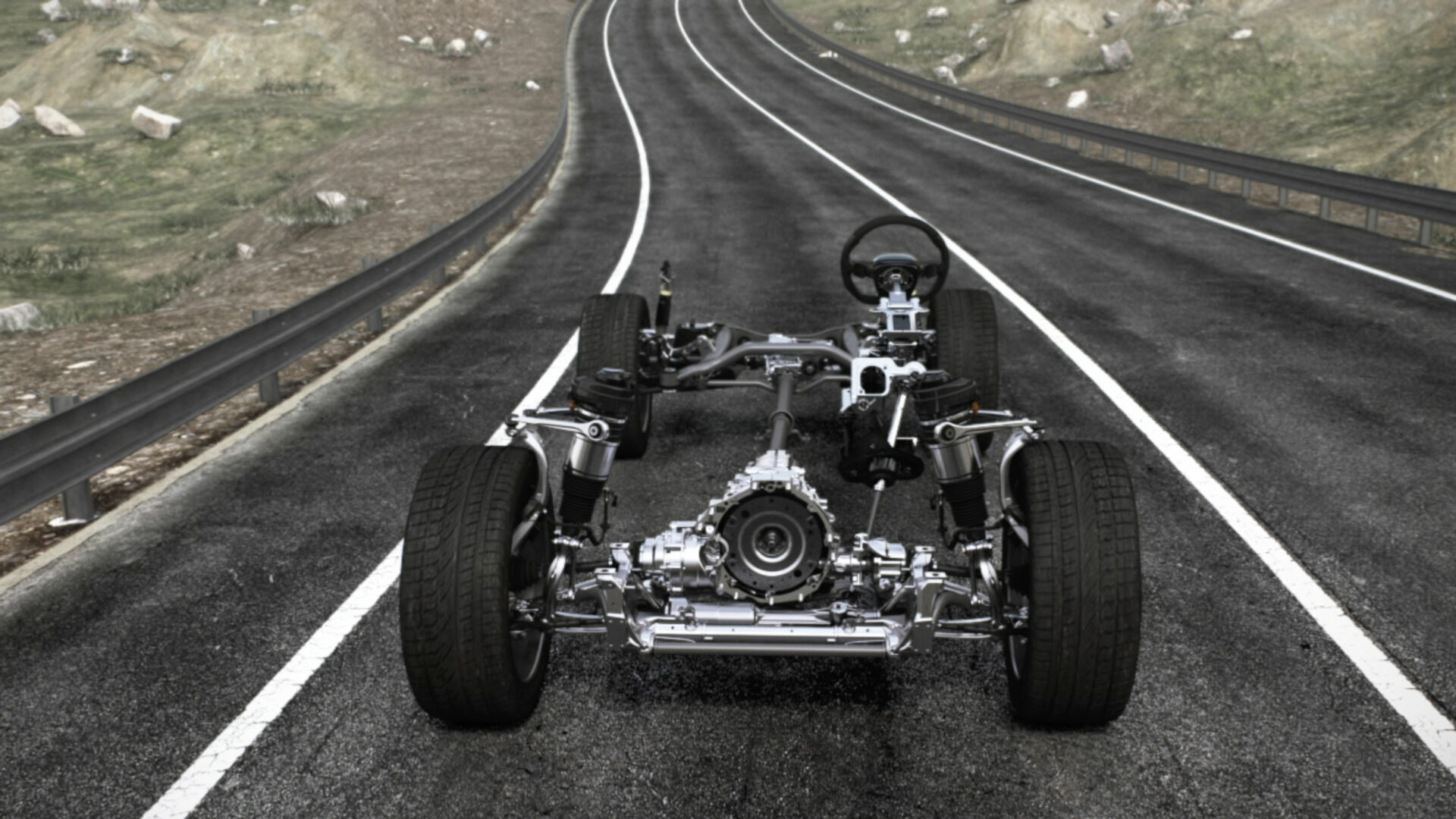
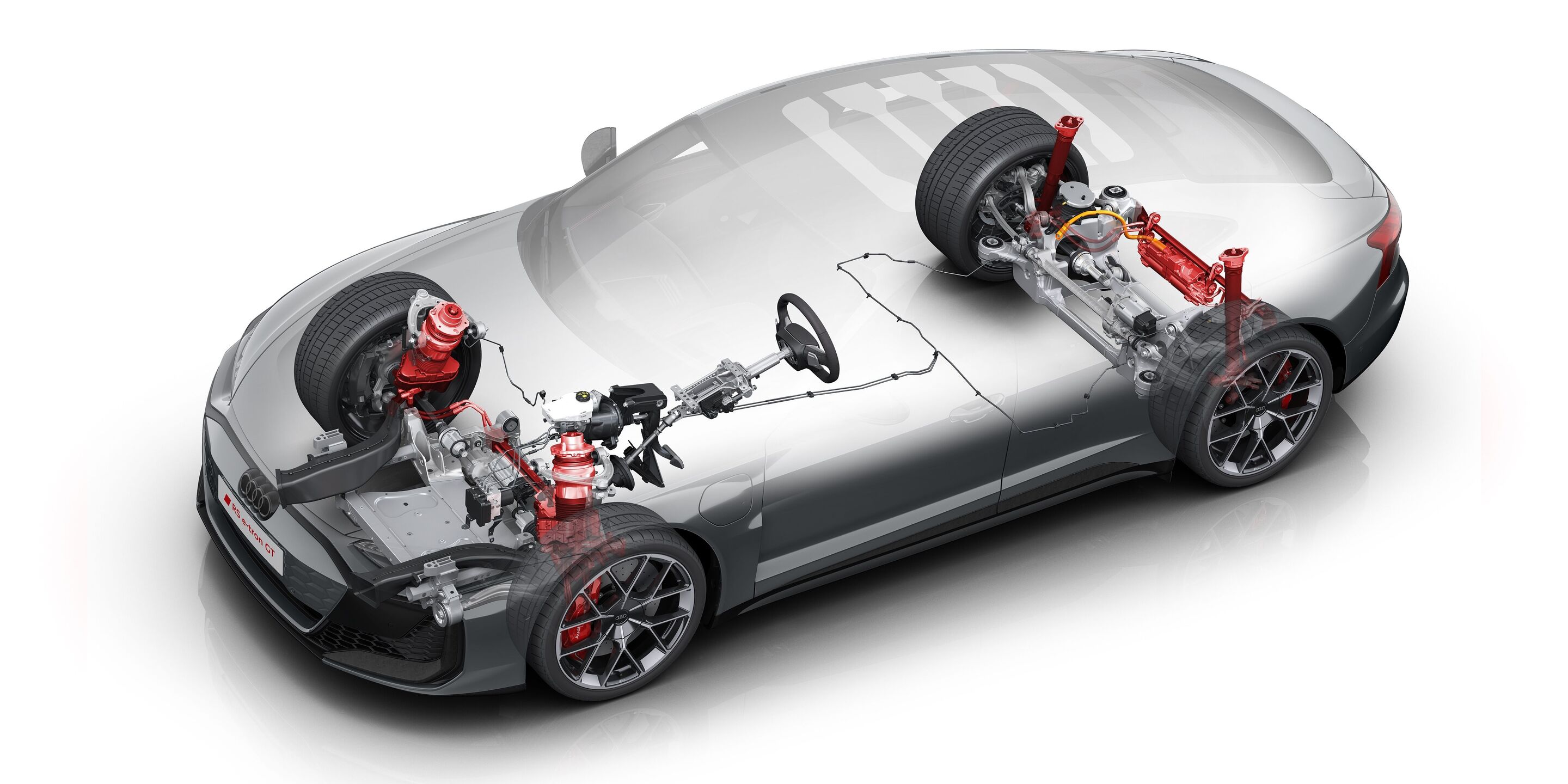
The suspension with damper control impresses with its high level of driving comfort and outstanding dynamics. Drivers can adjust the shock absorbers to different driving situations at the touch of a button, depending on their preferences. Sensors measure the movement of all four wheels as well as longitudinal and lateral acceleration. The characteristics of the dampers are adapted accordingly to the road conditions and driving situation. At the touch of a button, drivers can select different modes in Audi drive select to always call up the desired driving characteristics. All controlled suspensions – that is, both steel spring and adaptive air suspension systems – work with dampers using CDC (continuous damping control) technology. The damper pistons contain electromagnetically operated valves that can be controlled in a very energy-efficient way. They allow the hydraulic fluid to flow more or less freely as required. The central suspension control unit, the electronic chassis platform, processes all sensor signals in milliseconds and controls each damper individually.
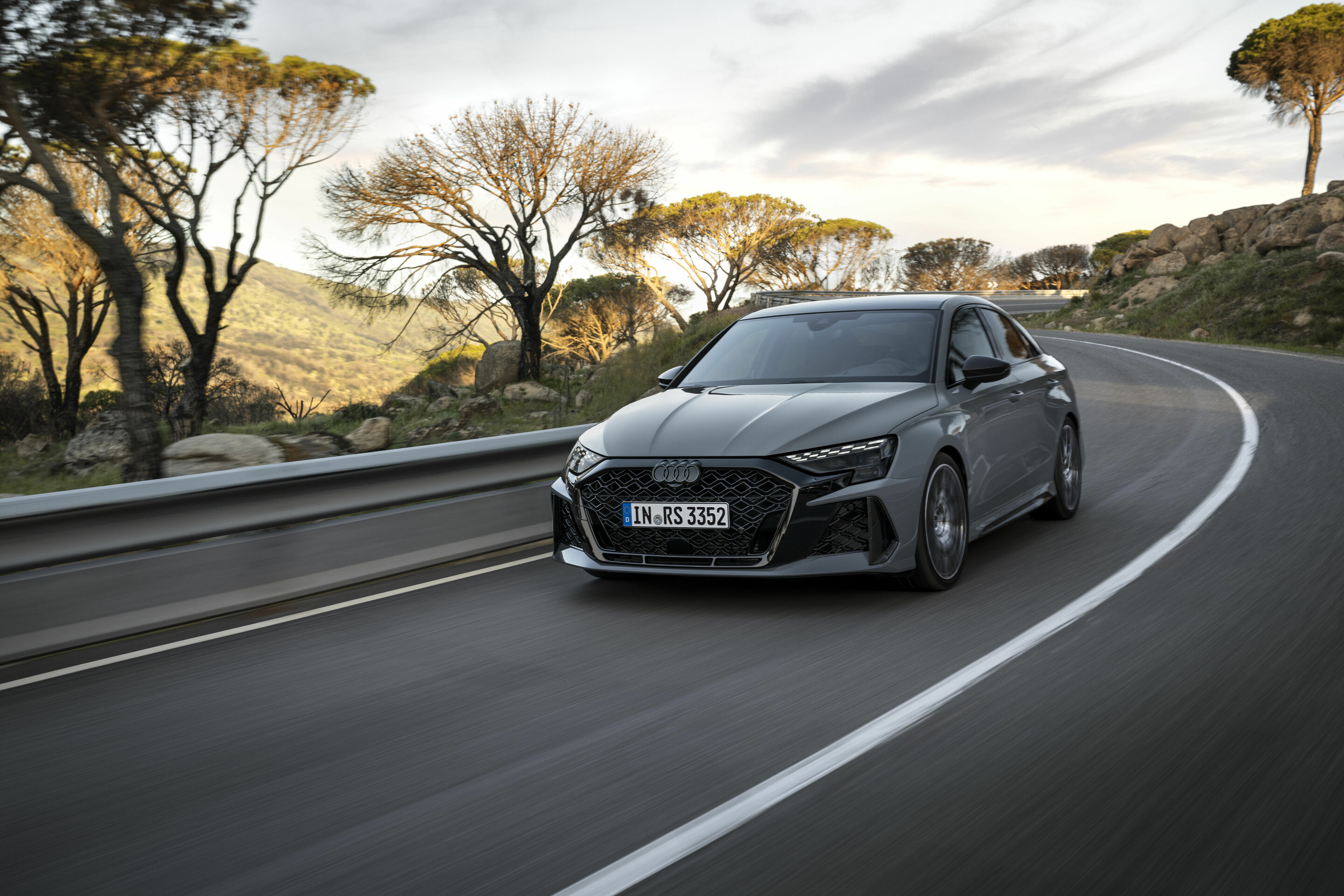
Since the upgrade in 2024, the compact top model has been even sportier: the powerfully designed front, wheels in motorsport-design, and RS bucket seats visually enhance the dynamics, acoustically emphasized by the distinctive throaty roar of the five-cylinder engine with its signature firing sequence. The 2.5 TFSI, combined with the optimized chassis setup and new tires, propels the RS 3 even more spiritedly around corners. The RS 3 competition limited, limited to 750 units, truly stands out. To mark the 50th anniversary of the legendary five-cylinder engine, Audi Sport is presenting this exclusive version of the compact sports car, which features a coilover suspension, neodymium gold interior, and additional carbon elements for the exterior.
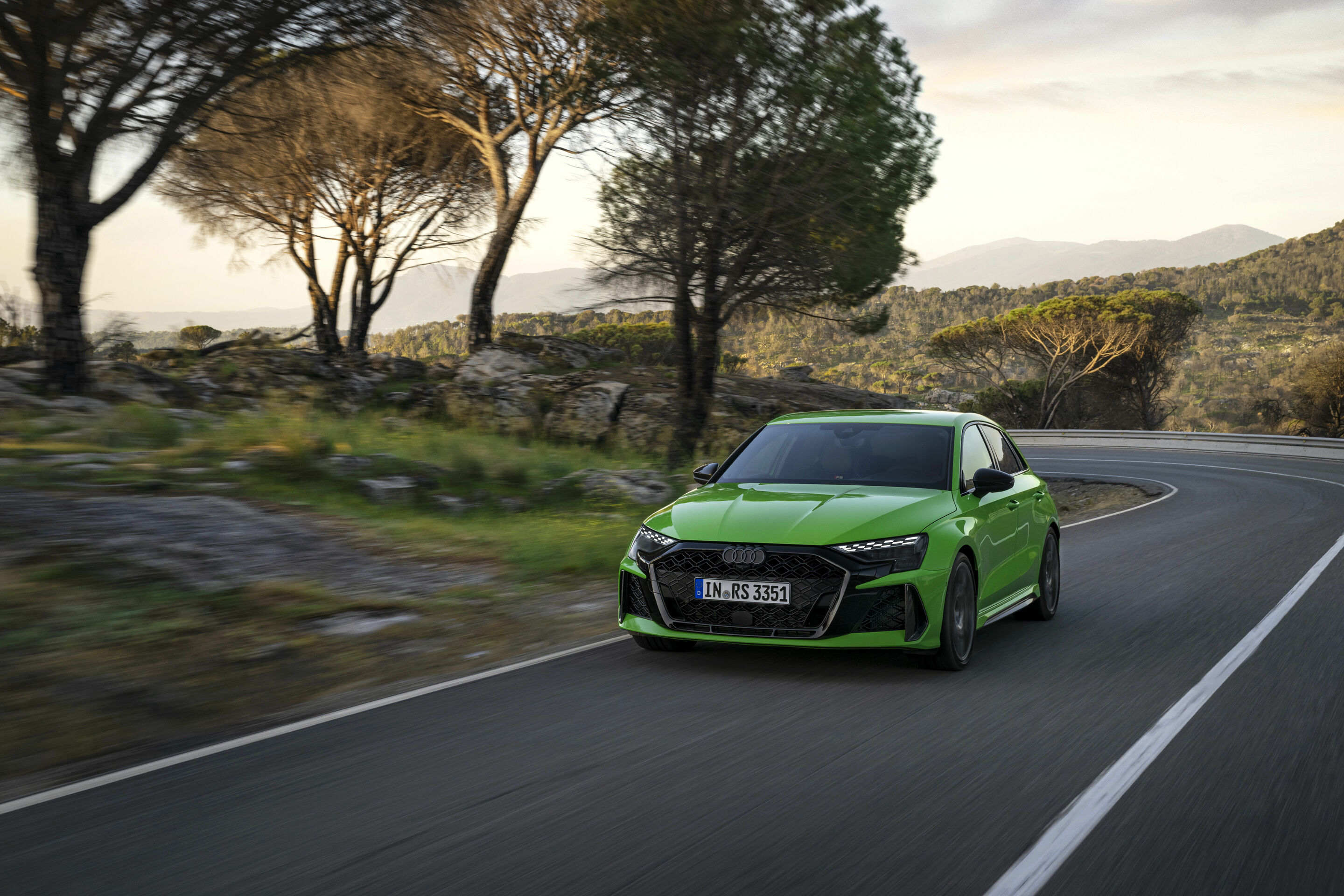
Since the upgrade in 2024, the compact top model has been even sportier: the powerfully designed front, wheels in motorsport-design, and RS bucket seats visually enhance the dynamics, acoustically emphasized by the distinctive throaty roar of the five-cylinder engine with its signature firing sequence. The 2.5 TFSI, combined with the optimized chassis setup and new tires, propels the RS 3 even more spiritedly around corners. The RS 3 competition limited, limited to 750 units, truly stands out. To mark the 50th anniversary of the legendary five-cylinder engine, Audi Sport is presenting this exclusive version of the compact sports car, which features a coilover suspension, neodymium gold interior, and additional carbon elements for the exterior.
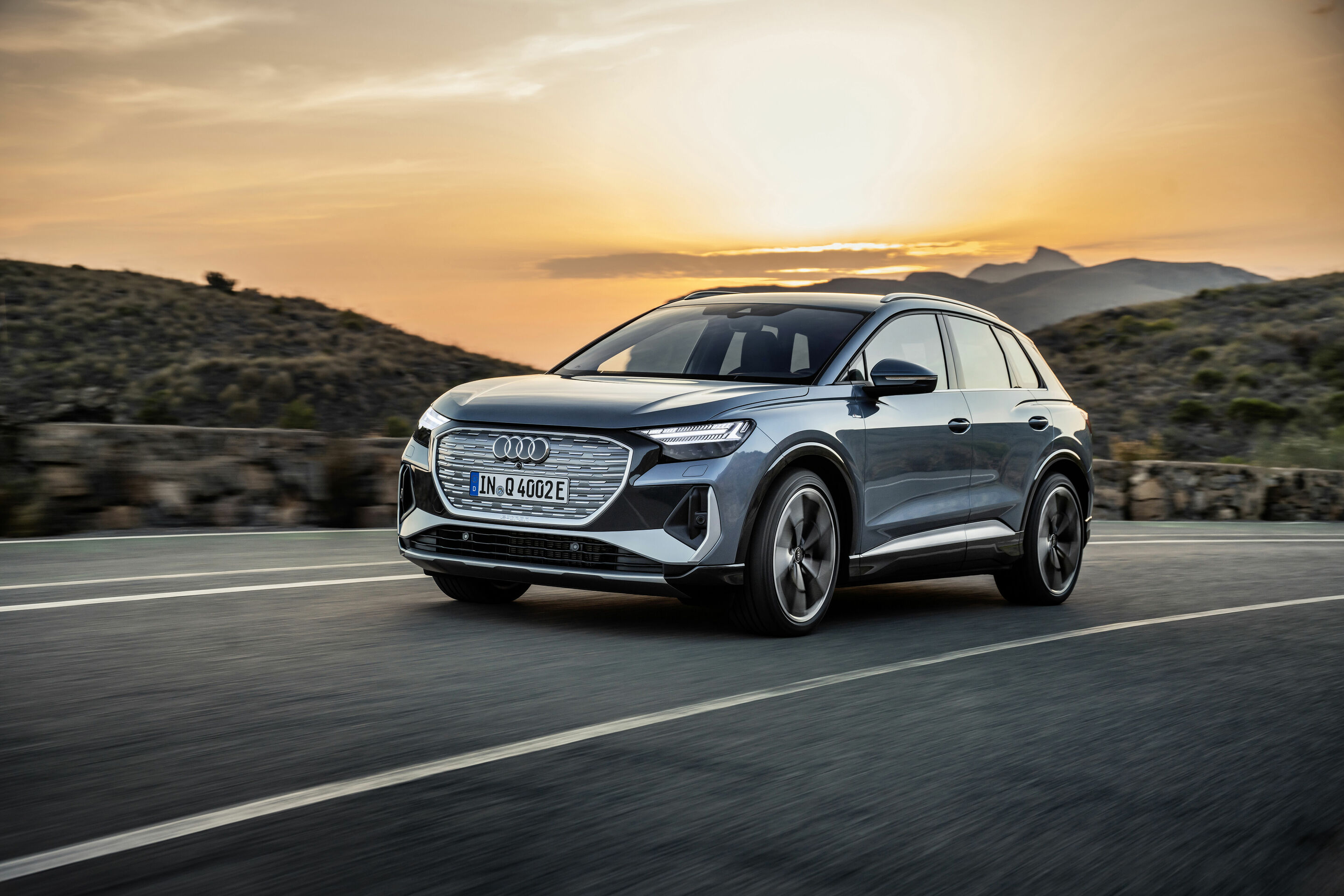
The front axle of the compact electric SUVs is designed in the classic McPherson construction method, the steering is located underneath at the front. A compact five-link design featuring similarities with the rear axle of the large Audi models works at the rear. As with the front axle, it is mounted on a subframe. Several parts of the suspension are made of lightweight aluminum. The track widths are 1,587 millimeters at the front and 1,565 millimeters at the rear. Large wheels: 19- to 21-inch with mixed-sized tires The Audi Q4 e-tron and Q4 Sportback e-tron are well-grounded – their wheels comprise eleven versions ranging in size from 19 to 21 inches. Apart from the basic version, these are aluminum wheels, and each size includes especially aerodynamic designs. In the 20-inch category, two wheels come from Audi Sport GmbH, which provides all four in the 21-inch class. One of them comes in a matte bronze finish, another in platin gray. The third is an Aero wheel, which is largely covered with black plastic inlays. All motor line-ups drive off the assembly line with a mix of tires, which further enhances stability and the sporty character. The front tires are 235 millimeters wide throughout, the rear tires 255 millimeters, while the cross sections differ depending on the rim size. All tires are optimized for rolling resistance, the 21-inch class includes a decidedly sporty tire variant for the Sportback. Mounted behind the large wheels are powerful brakes. Depending on motor output, the disks on the front wheels measure between 330 and 358 millimeters (13.0–14.1 in) in diameter; there are extra-low-wear, low-maintenance drum brakes on the rear wheels. The drums reduce the risk of corrosion. This is because in a purely electric drive the wheel brakes are used only rarely in everyday driving – most decelerations are performed by the electric motor in the rear, which converts kinetic energy to electrical energy in the process.
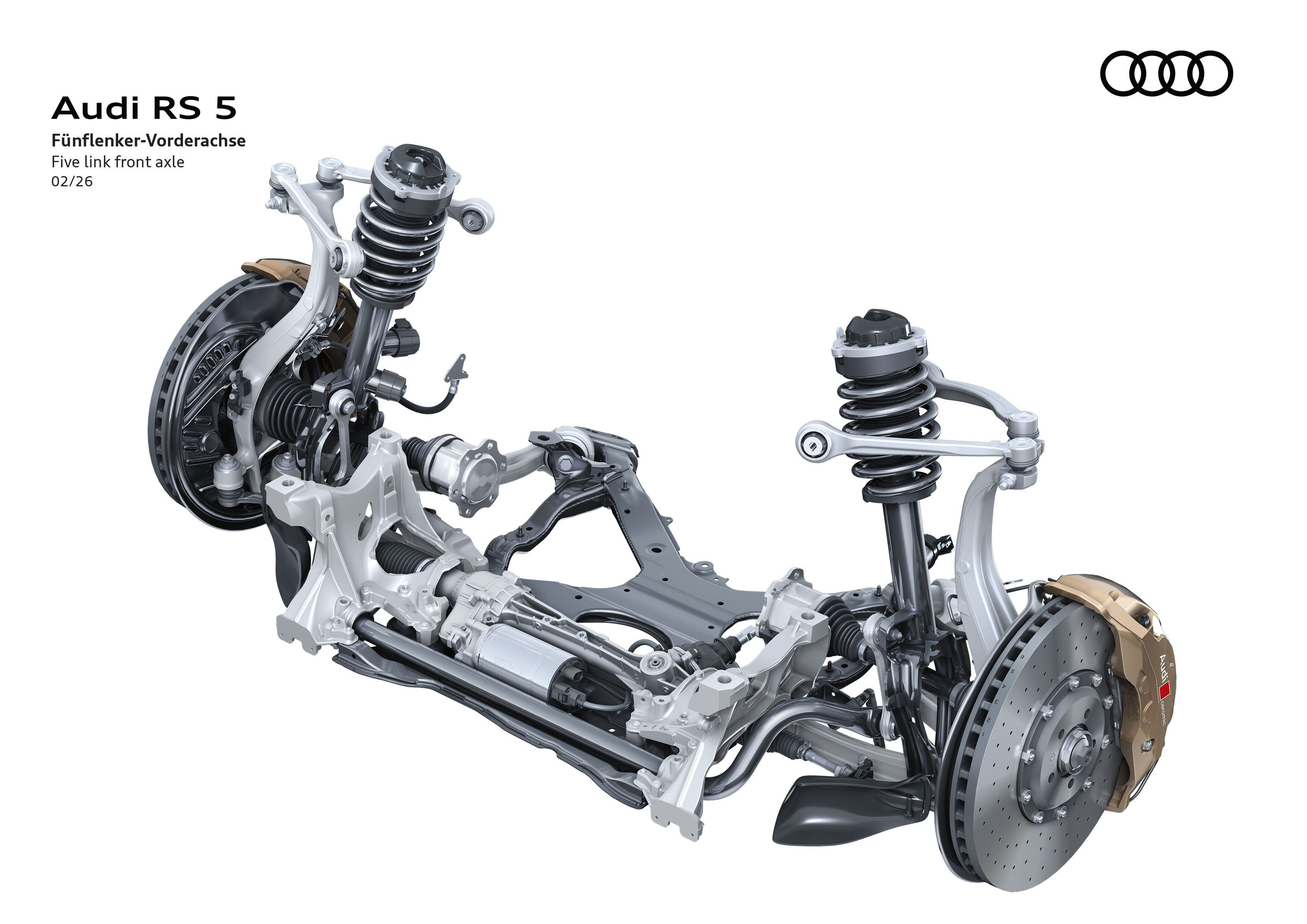

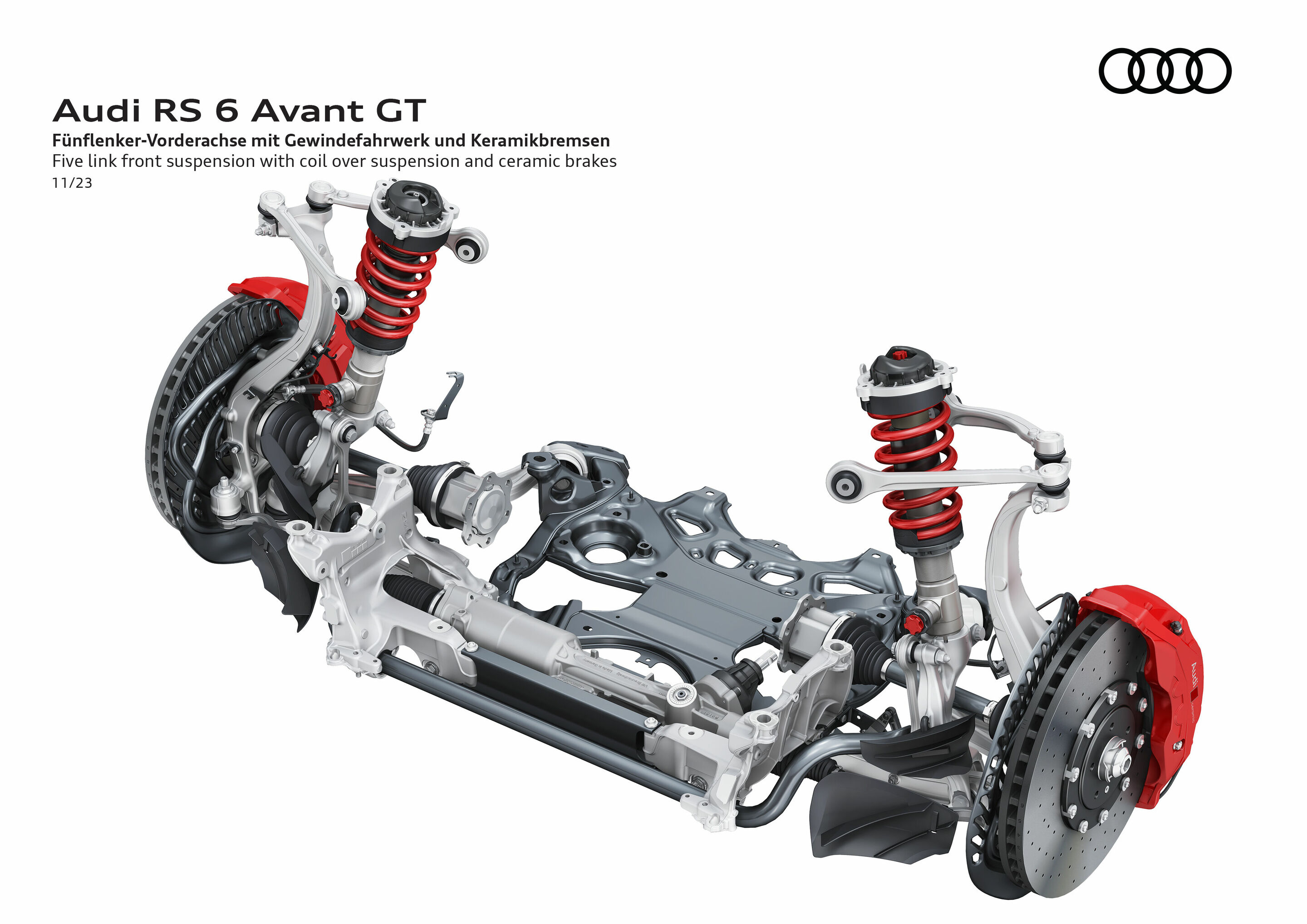
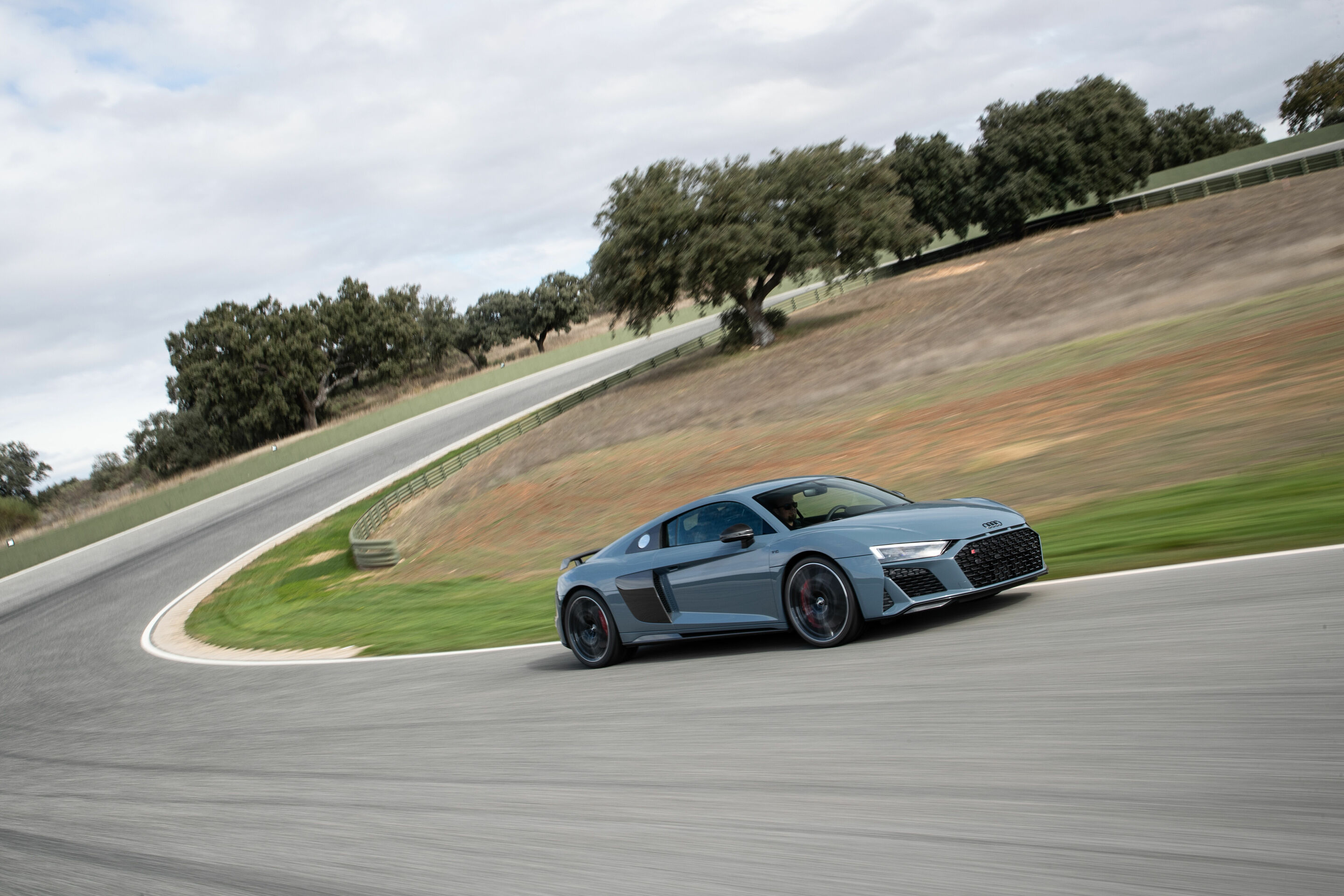
The suspension of the new Audi R8 also makes use of motorsport technologies. Aluminum double wishbones guide all four wheels. The set-up varies depending on the engine variant. The springs and dampers are more taut in the top-of-the-line version. The regulated damping system Audi magnetic ride is available upon request for both the basic and performance variants of the R8. The system adapts the mode of operation of the shock absorbers to the road profile and the driver’s style continuously and at millisecond intervals for each individual wheel. A synthetic oil in the pistons of the shock absorbers has very small magnetic particles embedded in it. When a voltage is applied to a coil, a magnetic field is generated in which the particles align themselves transverse to the direction of flow. They thereby restrict the flow of oil through the piston channels. In connection with the Audi magnetic ride and the performance sport suspension, there is a new option available that comes straight from motor racing: A stabilizer at the front axle that consists of coiled layers of carbon fiber-reinforced polymer (CFRP). These layers form its pipe, and the sides consist of red anodized aluminum. This innovative material concept reduces the weight at the front axle by roughly two kilograms (4.4 lb), which corresponds to 35 percent. Electromechanical rack-and-pinion power steering is standard equipment in the new Audi R8. Upon request, Audi can install dynamic steering with an integrated superposition gear. It changes the gear ratio between 10.5:1 and 15.8:1 depending on the driving speed. The steering is very direct during maneuvering, while it is calm and smooth on the freeway. In the Performance programs, which are standard in the R8 V10 performance quattro, the ratio is fixed to approximately 14.0:1.
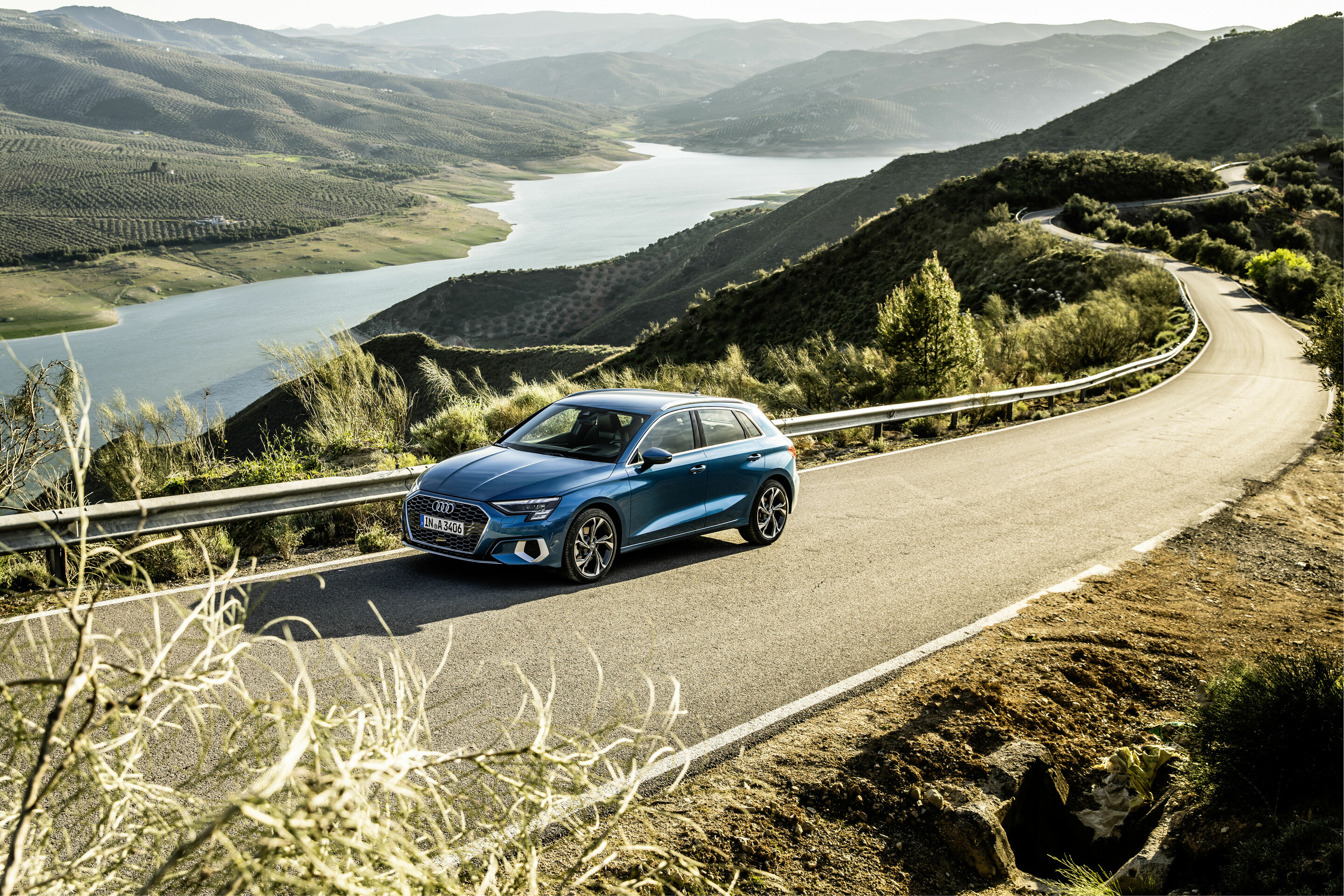
Agile in town, sporty on country roads, comfortable on the highway – Audi further developed the strengths of the predecessor model in the suspension of the new A3 Sportback. Even the standard suspension is sporty and balanced, combining pleasant ride comfort with good dynamics. The front and rear track widths have each increased in width by 11 millimeters (0.4 in), to 1,554 (61.2 in) and 1,525 millimeters (60.0 in), respectively. With regard to the axle concept, Audi relies on a MacPherson axle with bottom wishbones at the front. Models with an output of 110 kW (150 PS) and more are equipped with a four-link rear suspension with separate spring/damper arrangement. Engines with an output of less than 110 kW (150 PS) are equipped with a light and compact torsion-beam rear axle. The swivel bearings are made of aluminum. Even the standard electromechanical steering with speed-dependent power assistance has a sporty and direct gear ratio. The following applies to the optional progressive steering: The further the driver turns in the wheel, the more direct the ratio becomes. This reduces steering effort in urban traffic and when maneuvering; in tight curves the new A3 Sportback is even more agile and precise. Lowered: two optional suspensions For engine variants with an output from 110 kW (150 PS), the suspension is available with adaptive damper control upon request, which lowers the body by 10 millimeters (0.4 in). Sensors measure the vertical acceleration of the body structure and the relative movement of the individual wheels. The control unit processes their signals within milliseconds and continually adapts each damper individually to the road condition, the driving situation, and the setting in the Audi drive select dynamic handling system. Here, the driver can select between dynamic or comfort-oriented basic tuning in the profiles auto, comfort, and dynamic. The dampers enable a very wide spread between highly comfortable roll motion and agile handling.