Search
All search results for "center differential"
(227)
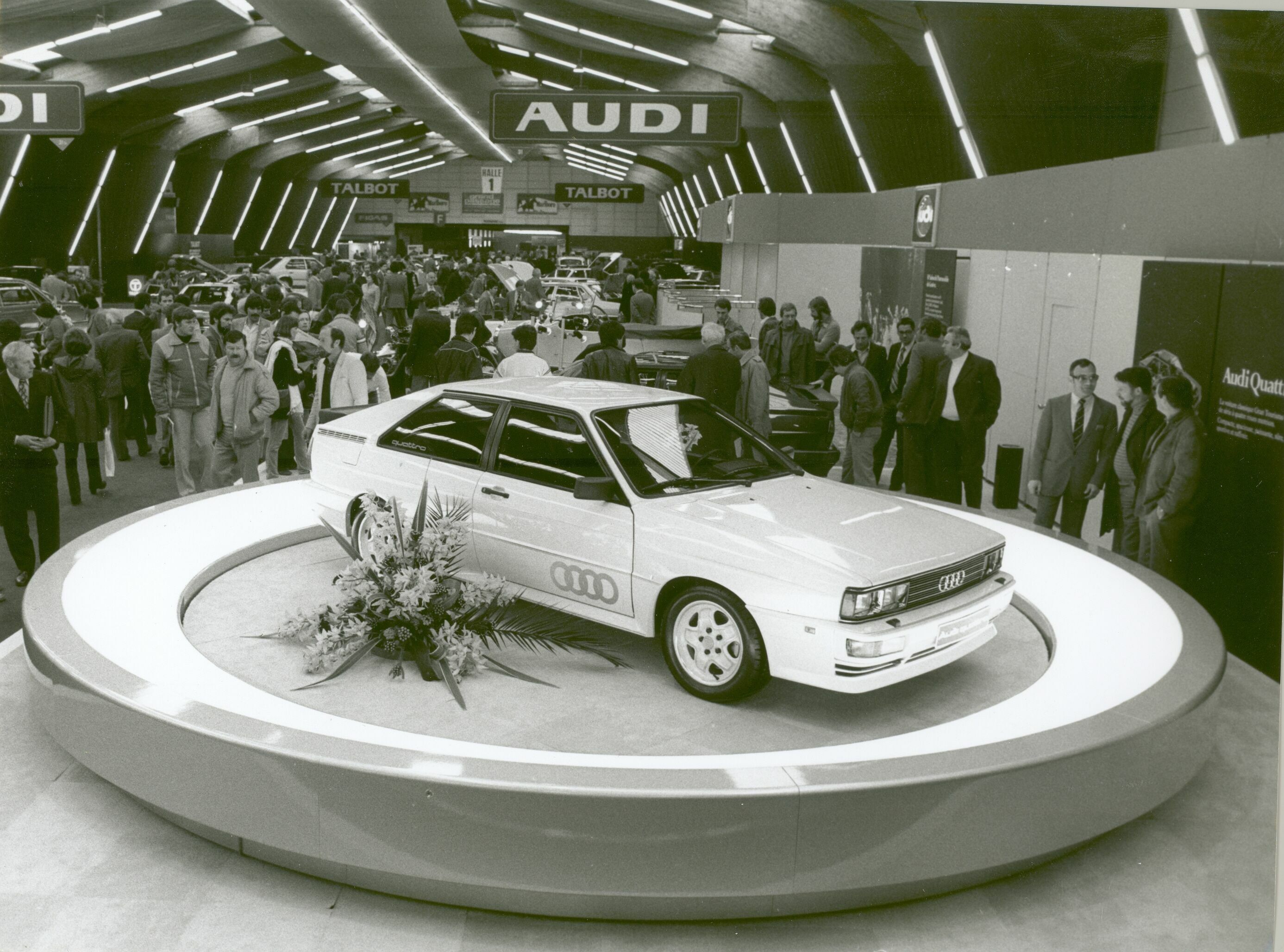 40 years, 40 figures, 40 images: fascinating facts and tales about Audi’s quattro technology
Four rings, four driven wheels – a 40-year success story From the lockable center differential to electric torque vectoring Ahead of the competition: a triumph in motorsports and among customers
The quattro drive has been a technical core area and pillar of Audi for 40 years now. The great success story ranges from the manually lockable center differential in 1980 to the three electric motors that drive the new S models in Audi’s e-tron product line. Four rings and four driven wheels, 40 figures from 40 years – a small collection of facts that not everybody knows.
0 clutches and differentials are at work in the Audi e-tron and in the e-tron Sportback. The fully electric SUV models utilize electric all-wheel drive, whereby the electric motors implement all quattro functions. 0.5 seconds is how far ahead the control unit always calculates in the quattro with ultra technology. The intelligent open- and closed-loop control works predictively thanks to high-performance sensors and data evaluation. The quattro with ultra technology uses two clutches that allow it to switch from front-wheel drive to all-wheel drive in the blink of an eye. During moderate driving, the quattro with ultra technology enjoys all the advantages of the efficient front-wheel drive. All-wheel drive remains continuously available however, and is there immediately and even in advance when needed. 3 times in a row, the Audi R18 e-tron quattro won the Le Mans 24-hour race between 2012 and 2014. A V6 TDI drove the rear wheels, while a flywheel accumulator supplied recuperated energy to two electric motors on the front axle.
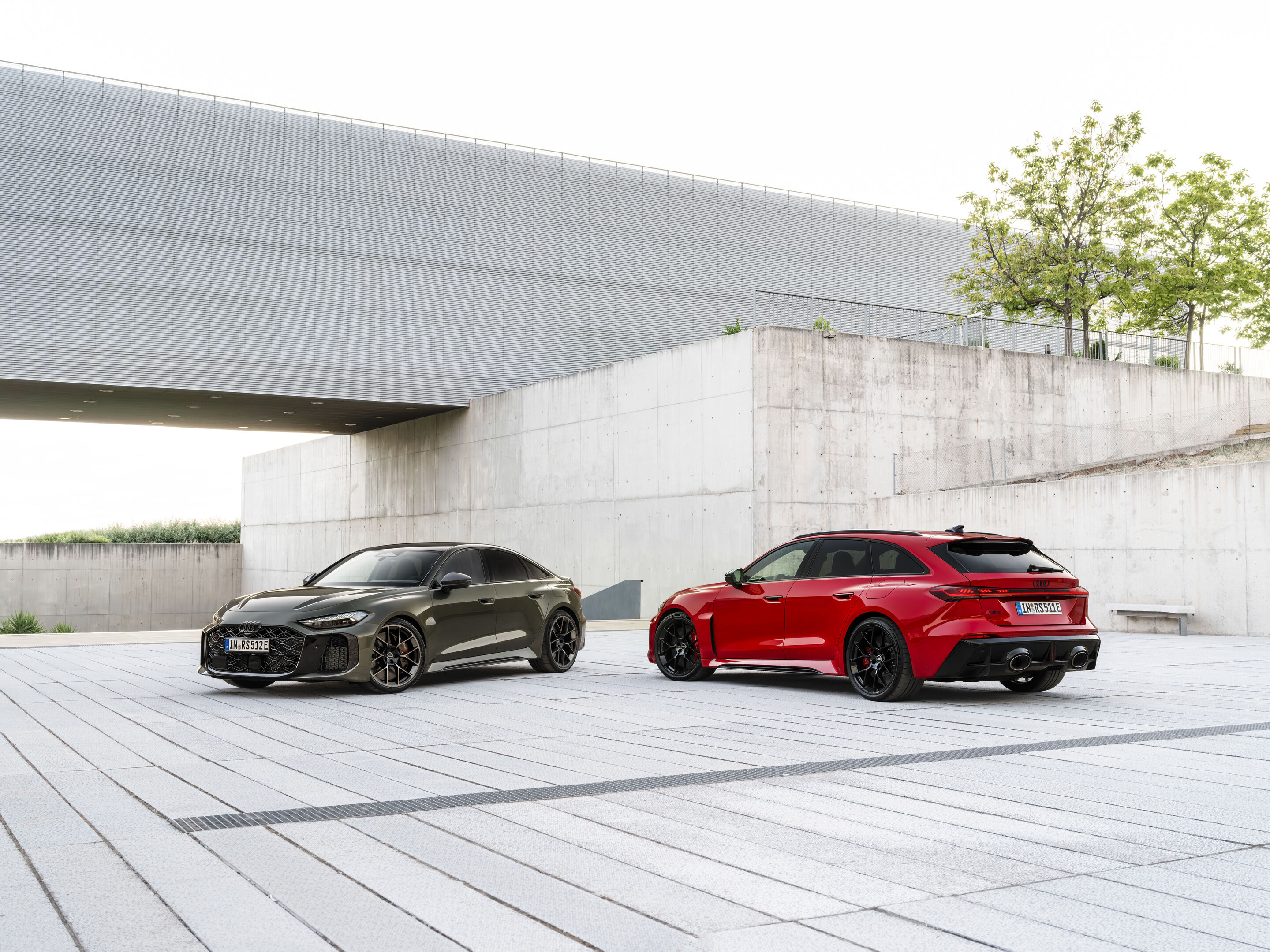
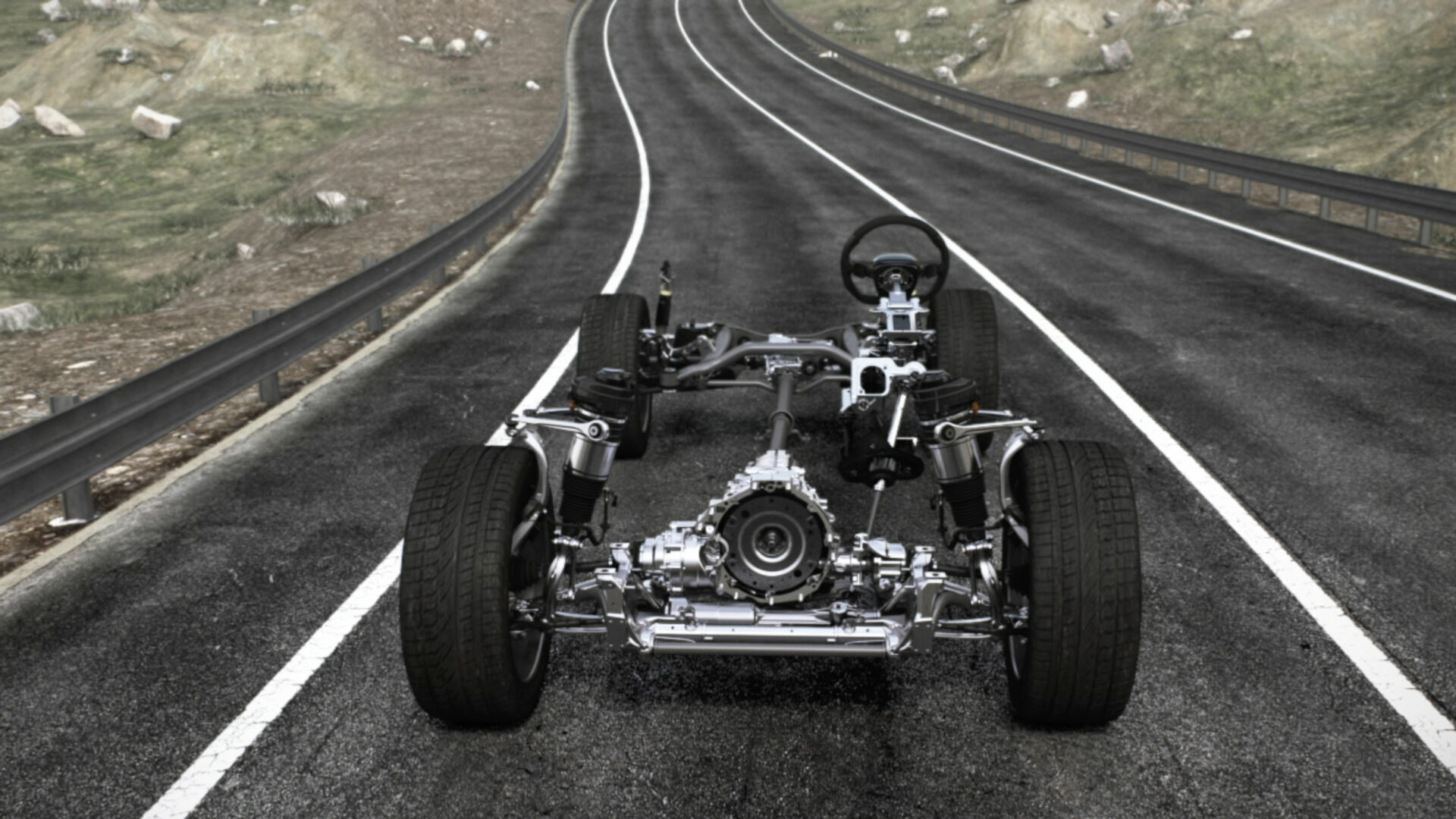
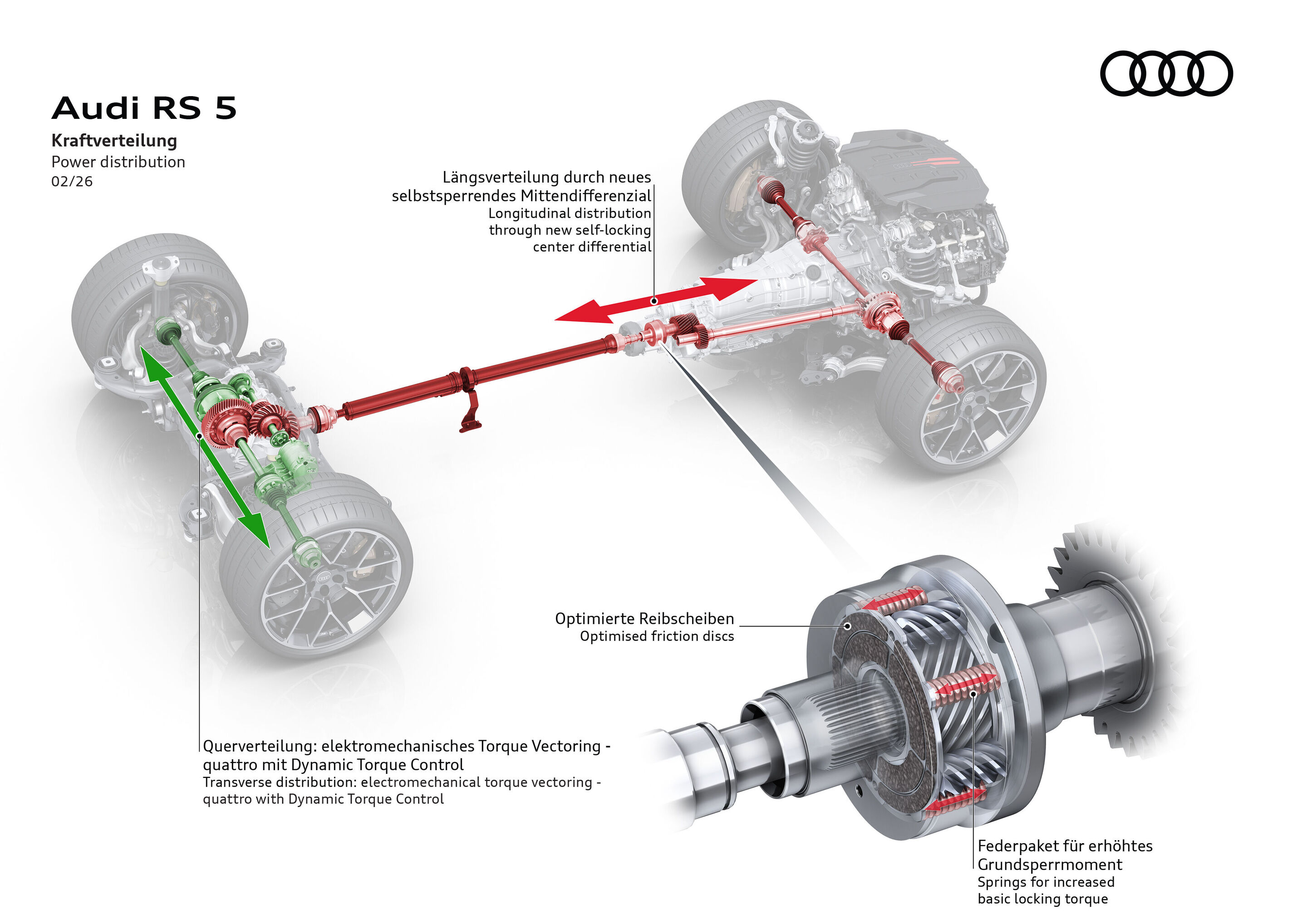
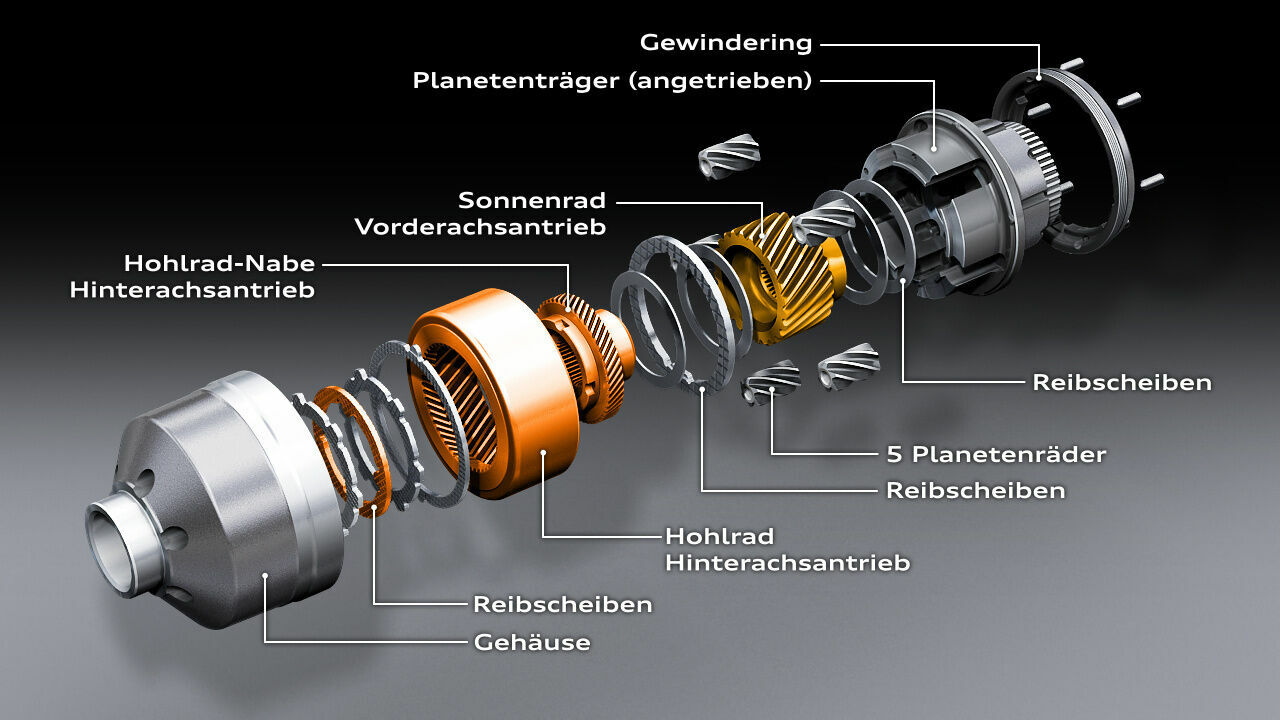
The new center differential has a preload to always remain partially locked, managing longitudinal torque distribution. Transverse torque distribution at the rear is provided by a new differential that can shift torque between the wheels in milliseconds. The result: exceptionally agile, composed, and effortless driving.
“The A5 model series’ new pinnacle is our first high-performance plug-in hybrid. Our newly developed quattro drivetrain with Dynamic Torque Control is the world’s first electro mechanical torque vectoring system in a production car. The sophisticated technical interplay between combustion engine and electric power brings performance and efficiency together in a new way at Audi. Customers can experience both peak sportiness and every-day comfort,” says Audi CEO Gernot Döllner. Rolf Michl, Managing Director of Audi Sport adds: “The RS 5 and its innovative drive concept mark the beginning of a new era for our RS models. They bring a new level of dynamics to the driving characteristics our customers love and further improve day-to-day use value thanks to all-electric driving and innovative technologies. A new interpretation of the true RS experience.” The Audi RS 5 delivers motorsport performance for the road. Measuring around nine centimeters wider than the base-model A5 at both ends with flared fenders, it has a muscular stance. The three-dimensional Singleframe with a honey-comb grille and Air Curtains to control airflow dominate the front. At the rear, the aerodynamic diffuser and the RS sport exhaust system’s matte oval tailpipes ensure a sporty finish. Both during the day and at night, the darkened Matrix LED headlightsand their digital day-time-running-light signature in a checkered-flag design reinforce the car’s purposeful appearance. The high-performance PHEV is the first production RS model to feature a modular electrified powertrain: quattro with Dynamic Torque Control.

 40 years, 40 figures, 40 images: fascinating facts and tales about Audi’s quattro technology
Four rings, four driven wheels – a 40-year success story From the lockable center differential to electric torque vectoring Ahead of the competition: a triumph in motorsports and among customers
The quattro drive has been a technical core area and pillar of Audi for 40 years now. The great success story ranges from the manually lockable center differential in 1980 to the three electric motors that drive the new e-tron S models in Audi’s e-tron product line. Four rings and four driven wheels, 40 figures from 40 years – a small collection of facts that not everybody 2020 knows.
0 clutches and differentials are at work in the Audi e-tron** and in the e-tron Sportback**. The fully electric SUV models utilize electric all-wheel drive, whereby the electric motors implement all quattro functions. 0.5 seconds is how far ahead the control unit always calculates in the quattro with ultra technology. The intelligent open- and closed-loop control works predictively thanks to high-performance sensors and data evaluation. The quattro with ultra technology uses two clutches that allow it to switch from front-wheel drive to all-wheel drive in the blink of an eye. During moderate driving, the quattro with ultra technology enjoys all the advantages of the efficient front-wheel drive.
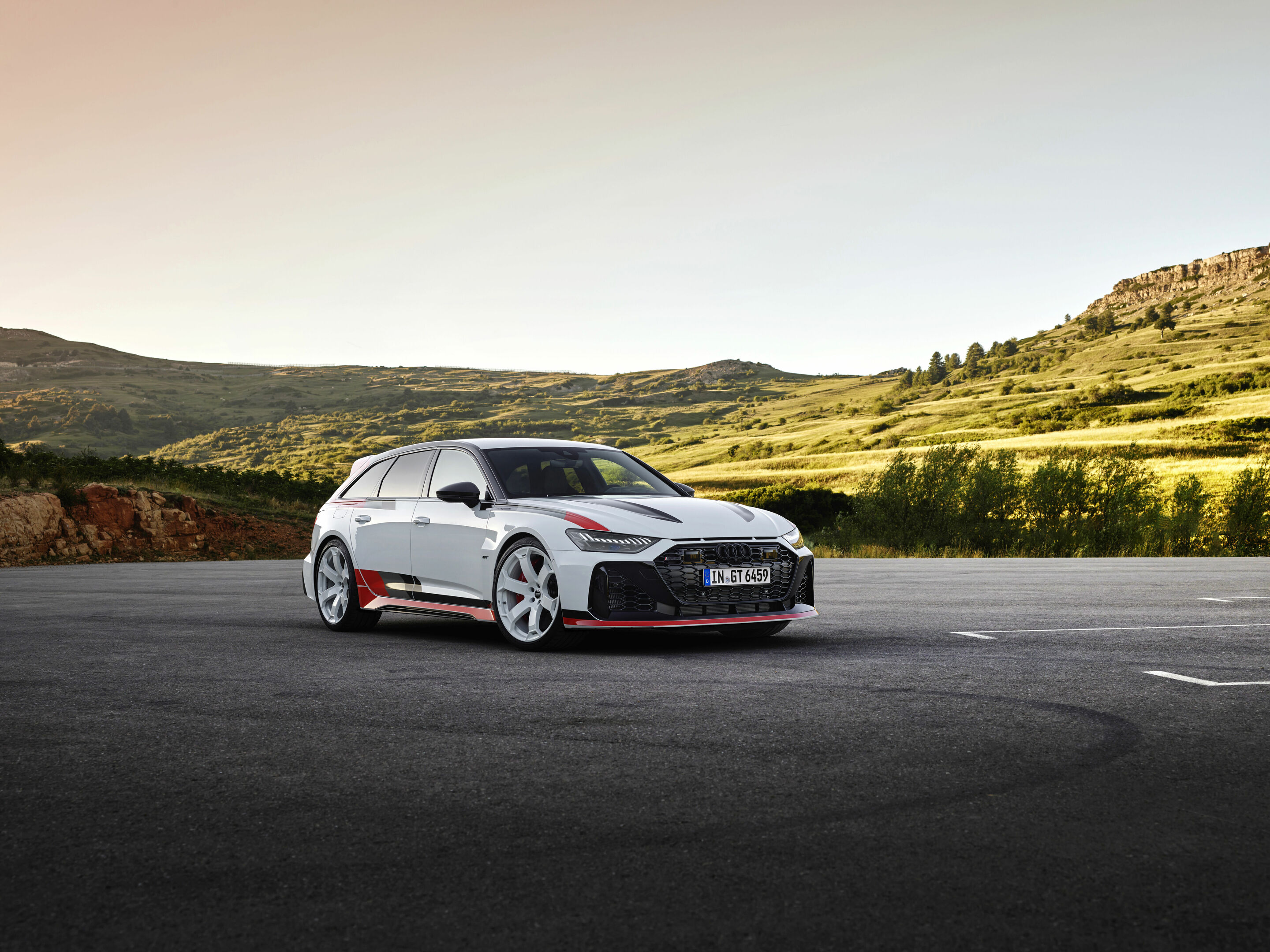
Carbon hood and fenders as well as 22-inch wheels in a distinctive design ensure high recognizability Adjustable coilover suspension, high-performance tires, and optimized quattro sport differential enhance the driving dynamics Only 660 units worldwide and heritage decals based on the Audi 90 quattro IMSA GTO guarantee exclusivity
The new Audi RS 6 Avant GT is the pinnacle of the model series. The special edition is packed with exclusive details for both the exterior and the interior. An impressive pass-through roof edge spoiler, redefined diffuser, and 22-inch wheels in a distinctive design underscore its top position in the model series. The interior features high-quality bucket seats, a fresh color combination, and individual numbering in the center console as exclusive accents. Lightweight adjustable coilover suspension unique to the RS 6 Avant GT and a reworked quattro sport differential on the rear axle sharpen the driving experience. The twin-turbocharged eight-cylinder engine in a V-layout has an output of 463 kW (630 PS) and delivers 850 Nm of torque from 2,300 to 4,500 rpm. Delivery of the Audi RS 6 Avant GT will begin in the second quarter 2024, the price starts at 219,585 euro.
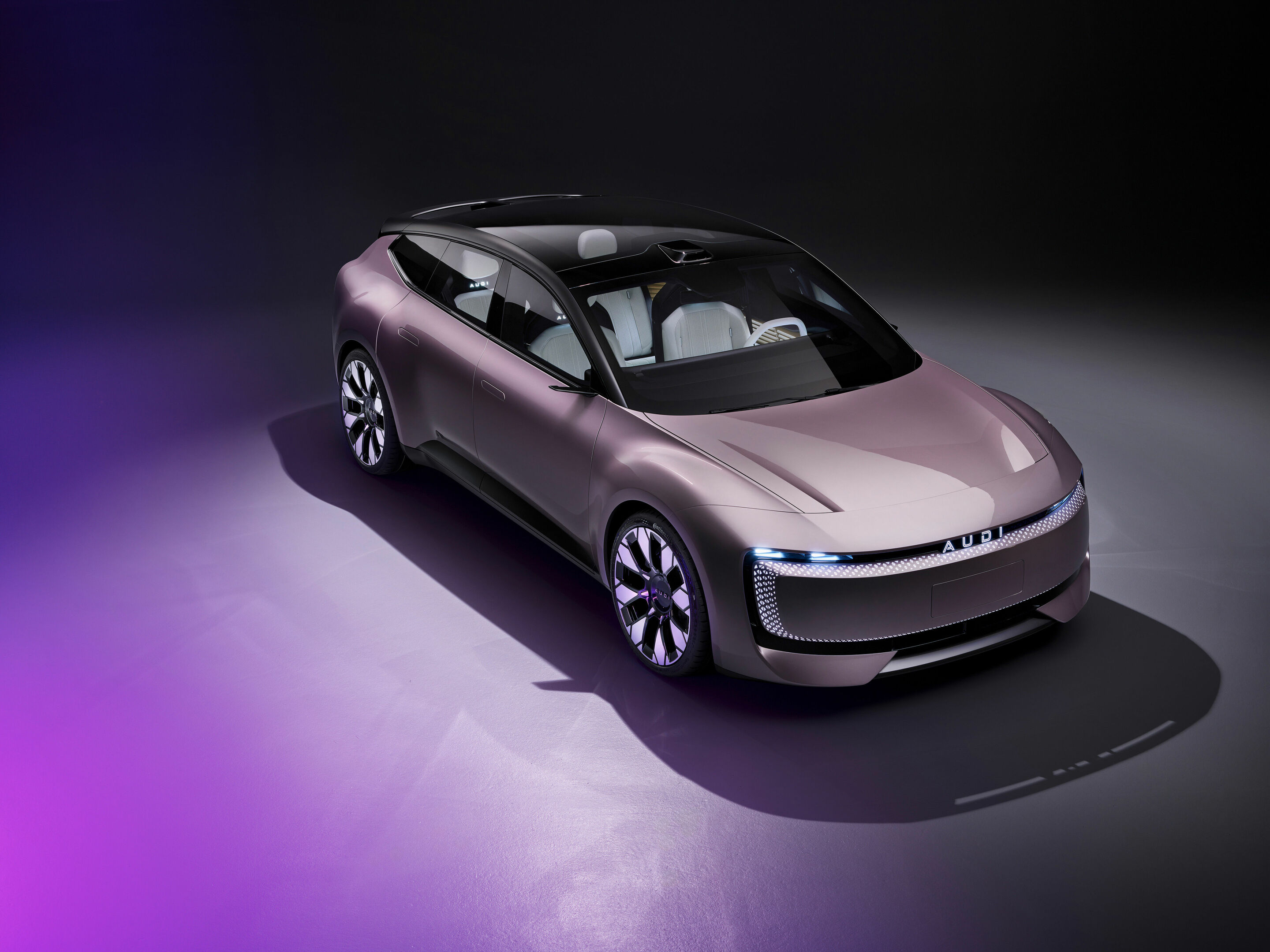 Double debut in Shanghai – AUDI and the AUDI E concept
To this end, the company is launching its first new brand alongside the Audi E concept: AUDI – without the four rings logo but spelled in four capital letters – signals both the connection to and differentiation from the sister brand. Based in and tailored for China, brand and car represent the best of both worlds – unmistakable Audi DNA meets China innovations. The AUDI E concept perfectly shows how an automobile can exceed Chinese users’ expectations. Gernot Döllner, Audi CEO: “By launching this new brand for electric and intelligent models in China, Audi is breaking new ground to tap into new and more tech-savvy customer segments.”
The first premium car brand to enter the Chinese market back in 1988, Audi was a pioneer. As it launches its new brand AUDI in cooperation with SAIC, the company now underlines its claim to this role. AUDI is shaped 100-percent by the Audi DNA and embodies “Vorsprung durch Technik” in the era of electric intelligent connected vehicles. The AUDI E concept car was jointly developed by experts from both Germany and China. It offers a preview of three future production models to be introduced from mid-2025. Largest transformation Audi CEO Gernot Döllner: “The automotive industry is undergoing the largest transformation in its history. With our partnerships in China, we are playing a decisive role in this transformation.” At the same time, Chinese premium customers are different from their international counterparts and have different expectations: they are younger than in the rest of the world. They are more tech-savvy. They expect leading connectivity as well as automated driving and, more importantly, an exciting, unmistakable experience in an interior that is both familiar and surprising. Two partners – double the strength The needs and wishes of these premium customer groups are the benchmark and specification sheet for the joint development team from Audi and SAIC. This team has been set up with Fermín Soneira from Audi as the CEO.
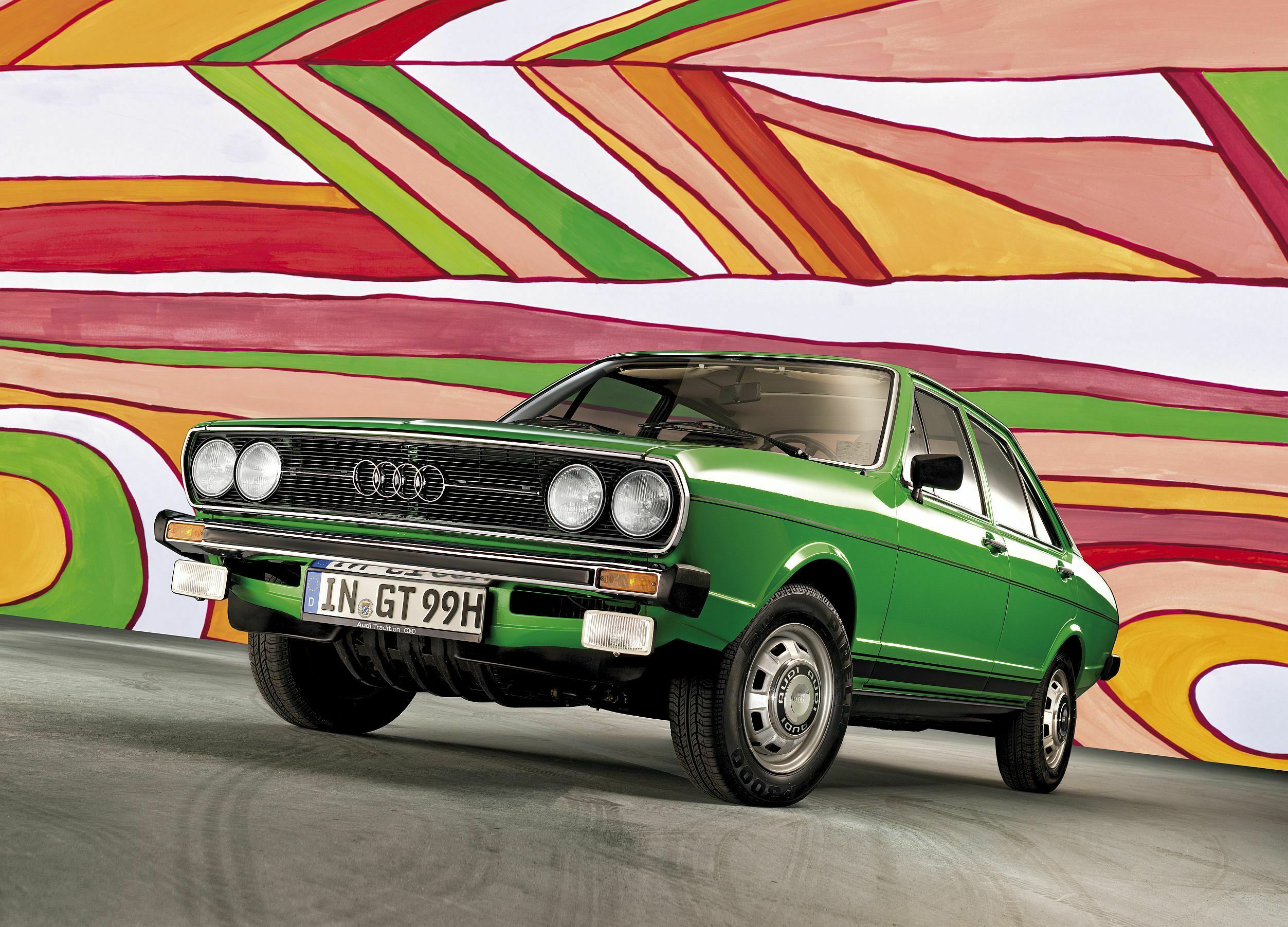 Audi captures the zeitgeist with this car: first Audi 80 unveiled 50 years ago
The four-cylinder TDI, the quattro drive with the self-locking center differential, the dual-clutch transmission, and the rear-axle sport differential – not to mention the five-cylinder turbo engines as in the first RS model – have repeatedly demonstrated Audi’s expertise in Vorsprung durch Technik. Designer Hartmut Warkuss helps shape the design of the first Audi 80 in the new objectivity style of the 1970s. In 1976, Warkuss is promoted to Head of Audi Stilistics, leaving a lasting impression on the design of several generations in Audi’s B, C, and D series. The Audi 80 rolls off the assembly line in four generations (B1 to B4) until 1994/95, when it is replaced by the Audi A4, known internally as the B5. With this model, the Ingolstadt-based company introduces a new nomenclature for its cars. The Audi A4 is now in its fifth edition; the B9 is available as a sedan and Avant, as an S and RS model, and as the Audi A5 in the Coupé, Sportback, and Cabriolet versions. 1972–1978: The Audi 80 B1 – Founder of a new segment The Audi 80 celebrates its world premiere in the year the Summer Olympics are held in Munich: In July of 1972, the Ingolstadt-based company presents the car to the media, and in September – after the Olympics – to dealers. The B1 establishes a new market segment: the “compact sedan” or B series for short. The newly developed mid-size car rounds off the then model range of the brand with the four rings. The model’s technology introduces numerous new solutions and can soon be found in many Volkswagen Group models. Consistent lightweight design and other technical innovations The two-door base model weighs in at just 835 kilograms – strict lightweight construction is one of the specifications set by Head of Technical Development Kraus. With a wheelbase of 2.47 meters and a length of 4.18 meters, he develops the sedan to be highly compact.
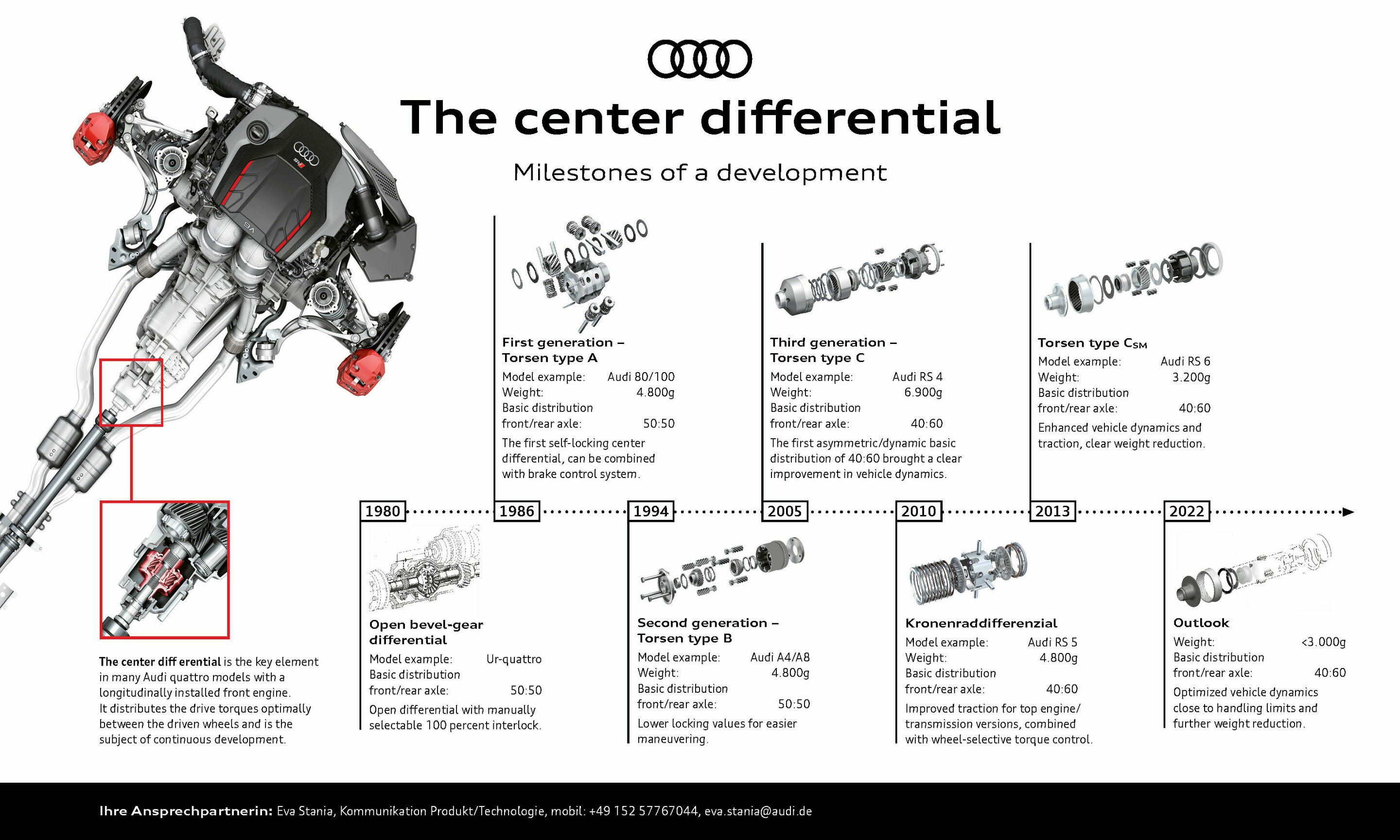
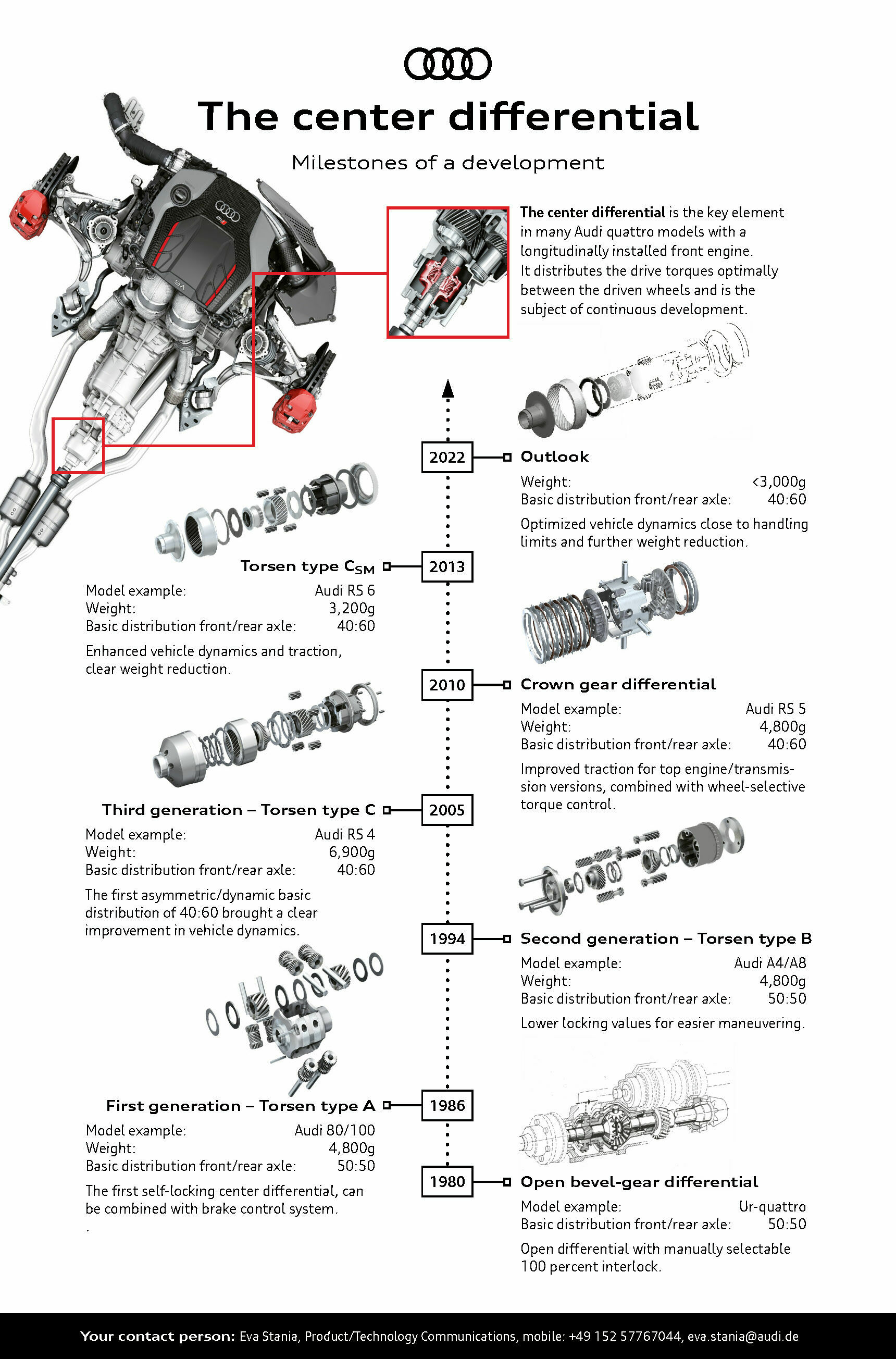
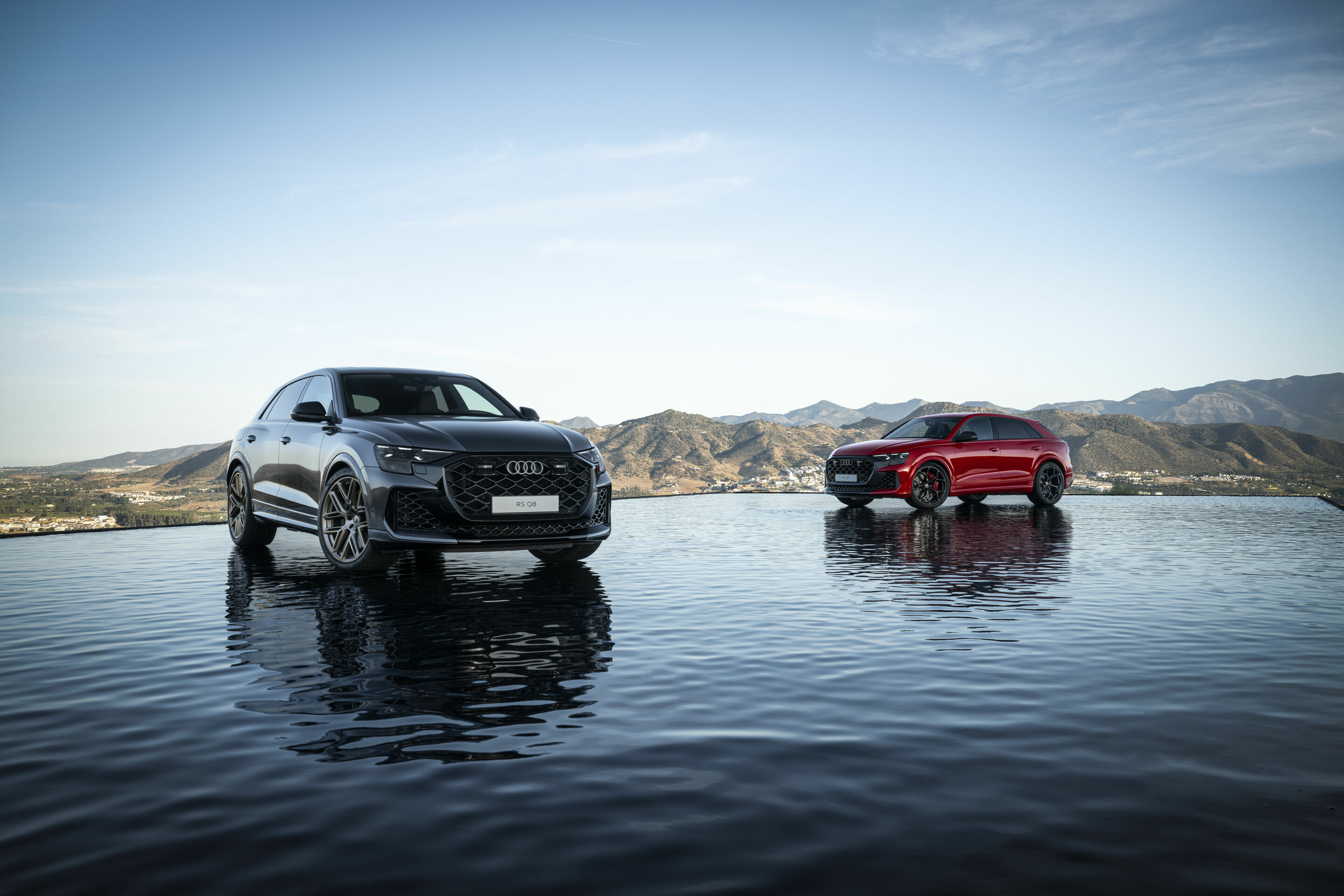
Both vehicles boast outstanding driving dynamics thanks to an optimized, self-locking center differential while guaranteeing an equally impressive suitability for everyday use. The exterior of the RS Q8 and RS Q8 performance take their cues from the recently upgraded Q8. New equipment packages allow more freedom for customization. The new Audi RS Q8 and RS Q8 performance will be launched in June of this year. Prices start at 141,900 and 155,700 euros.
Unmistakably an Audi Sport GmbH model: The exterior With the new Audi RS Q8 and RS Q8 performance, Audi Sport GmbH is intensifying its focus on the dynamics of the two high-performance SUVs. A new front apron with striking air intakes, a distinctive honeycomb structure, and a blade in high-gloss black (the RS Q8 performance features matte gray) clearly identifies the RS Q8 and the performance version as the top models in the series.
 Automobili Lamborghini: Factory and Production turn 60
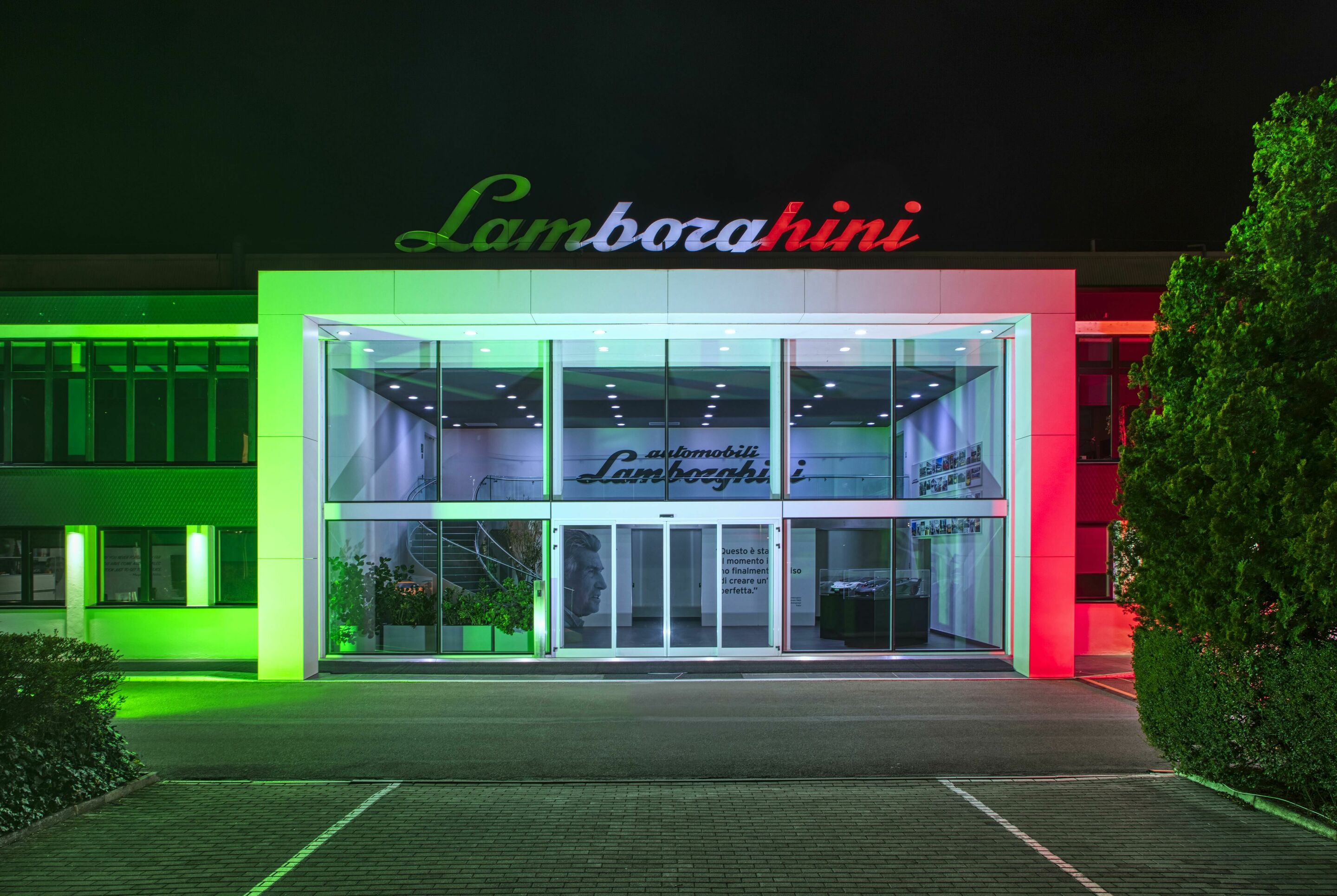
In 1966 when the gearbox and differential also started to be manufactured in-hause, the production, offices, test rooms and service workshop could be found in the 12,000 m2 covered area of the original structure. There were two production assembly lines: one for the engines and mechanical parts and the other for car assembly with ancillary machinery for parts production and vehicle tuning. The offices, spanning 260 meters and located along the front and in the center, included the president's office and the offices of the technical and sales departments. On the right side of the building were the test rooms and on the left the customer service workshop and staff rooms. Right from the start, Lamborghini focused on the use of technologically advanced machinery, combining the artisan skills of the workers with the most advanced technology available, a value that remains at the heart of the company's industrial vision today. On October 18, 1968, Lamborghini announced the imminent completion of three new industrial buildings, adding 3,500 m2 of covered area. These were buildings that, as weil as strengthening the production f acilities, would also create a modern, well-equipped test department. The photograph accompanying this press release is now iconic given that it shows, in addition to the department under construction, a 400 GT, an lslero, an Espada and two Miura. Production went from 67 Lamborghinis produced in 1965 to 425 in 1971, f alling to 55 in 1979 due to the economic crisis of the 1970s. The 1980s marked a resumption of production, reaching 470 cars produced in 1987 together with 300 marine engines. In 1983, Lamborghini launched the development and use of carbon fiber for the first time. The new 'Esperienza Materiali Compositi' Department (known as E.Co), was set up thanks to the arrival of know-how from Seattle that was developed from the first carbon fiber and Kevlar components of the Boeing 767.