Search
All search results for "RS 3 Sportback"
(329)
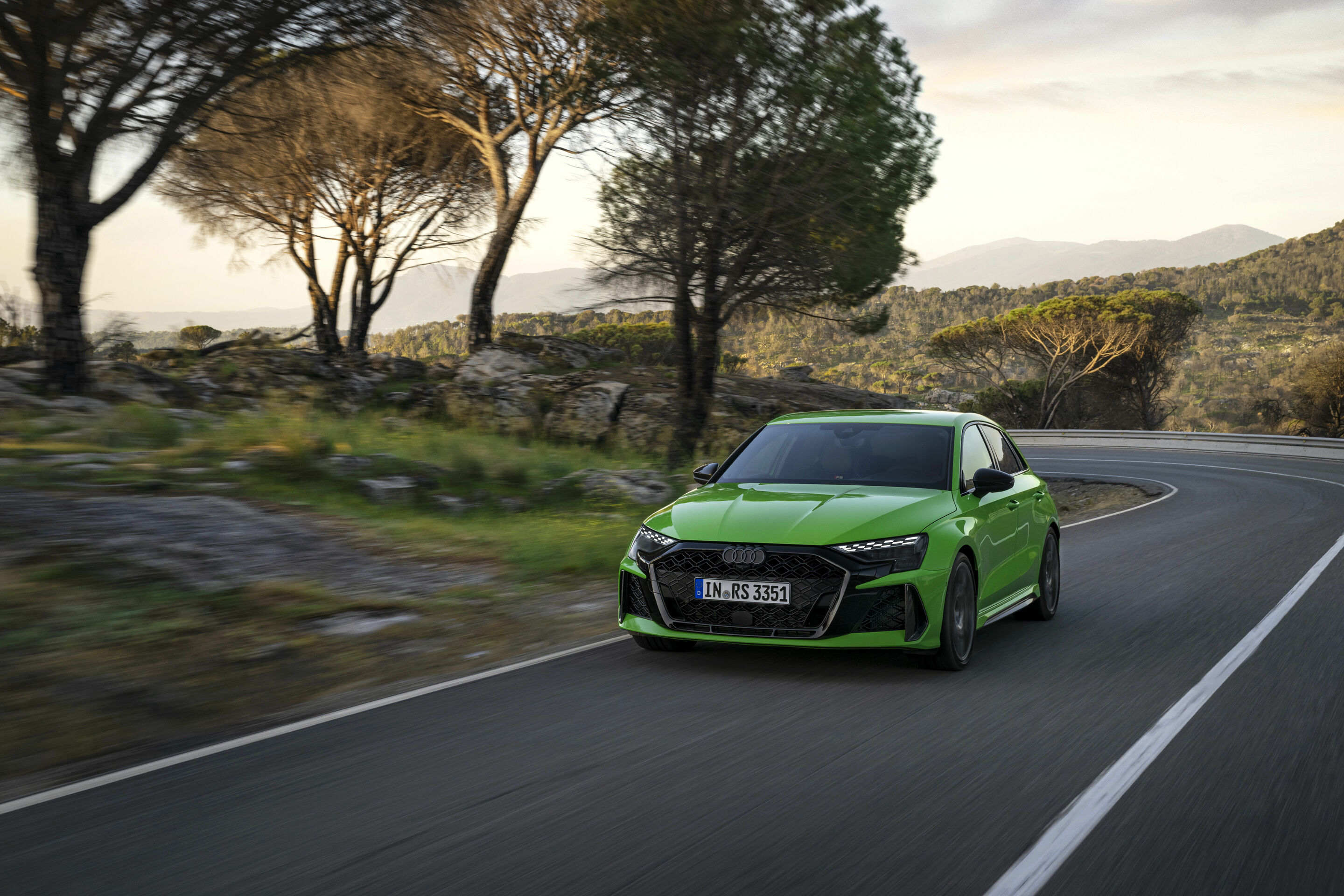
Audi RS 3 Sportback
The Audi RS 3 offers driving dynamics at the highest level. Since the upgrade in 2024, the compact top model has been even sportier: the powerfully designed front, wheels in motorsport-design, and RS bucket seats visually enhance the dynamics, acoustically emphasized by the distinctive throaty roar of the five-cylinder engine with its signature firing sequence. The 2.5 TFSI, combined with the optimized chassis setup and new tires, propels the RS 3 even more spiritedly around corners. The RS 3 competition limited, limited to 750 units, truly stands out. To mark the 50th anniversary of the legendary five-cylinder engine, Audi Sport is presenting this exclusive version of the compact sports car, which features a coilover suspension, neodymium gold interior, and additional carbon elements for the exterior.
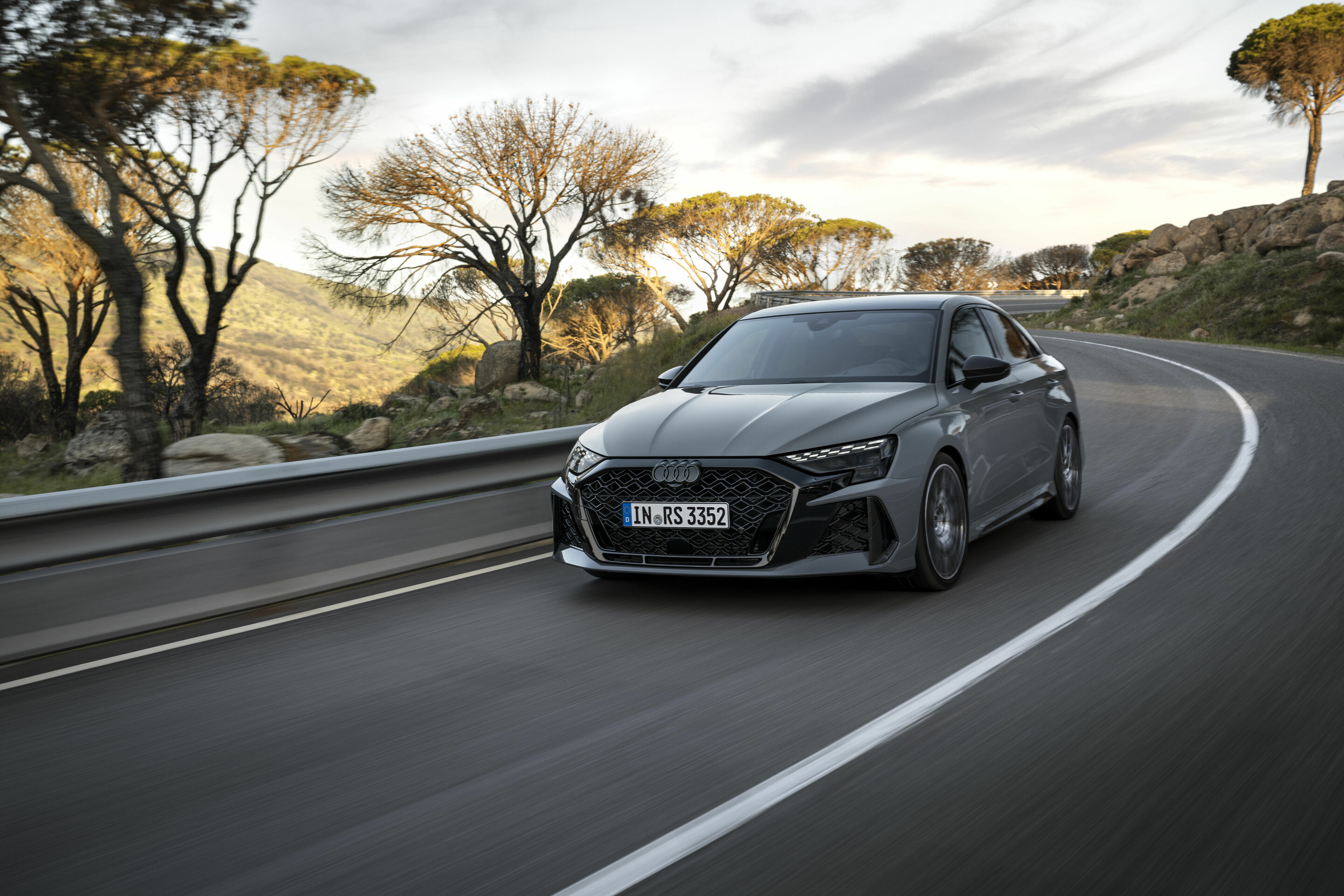
Audi RS 3 Sedan
The Audi RS 3 offers driving dynamics at the highest level. Since the upgrade in 2024, the compact top model has been even sportier: the powerfully designed front, wheels in motorsport-design, and RS bucket seats visually enhance the dynamics, acoustically emphasized by the distinctive throaty roar of the five-cylinder engine with its signature firing sequence. The 2.5 TFSI, combined with the optimized chassis setup and new tires, propels the RS 3 even more spiritedly around corners. The RS 3 competition limited, limited to 750 units, truly stands out. To mark the 50th anniversary of the legendary five-cylinder engine, Audi Sport is presenting this exclusive version of the compact sports car, which features a coilover suspension, neodymium gold interior, and additional carbon elements for the exterior.

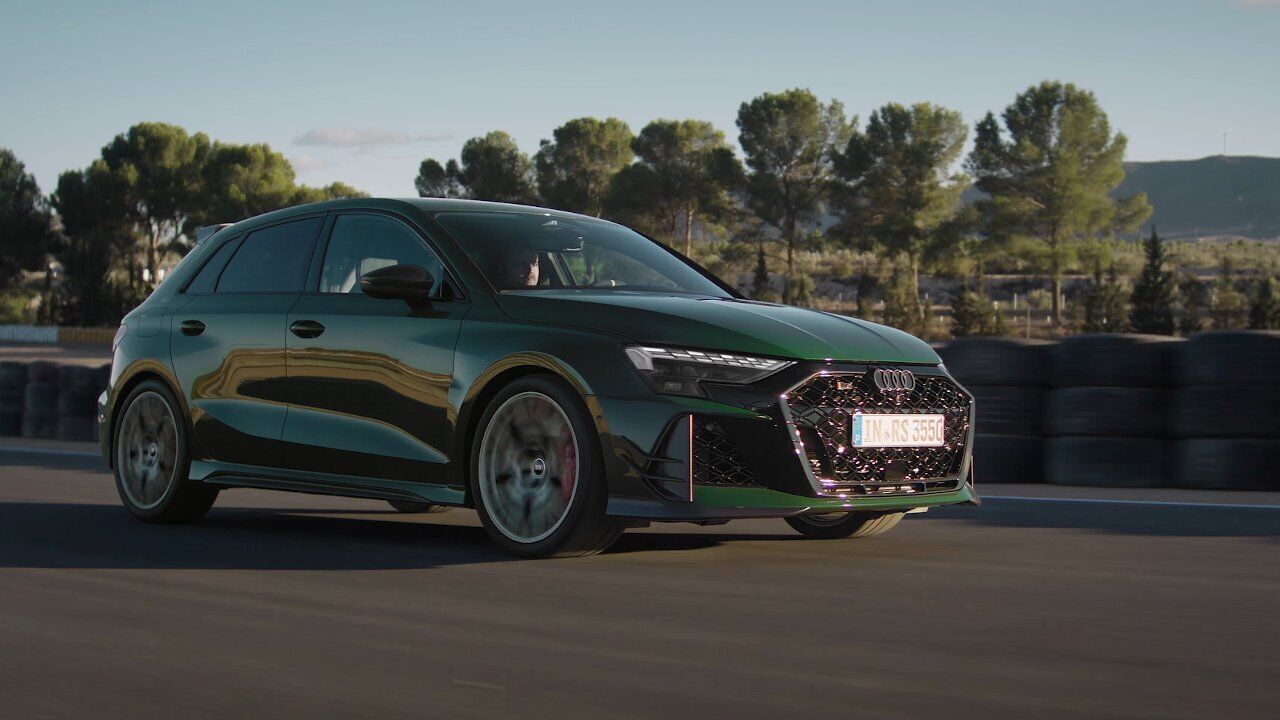

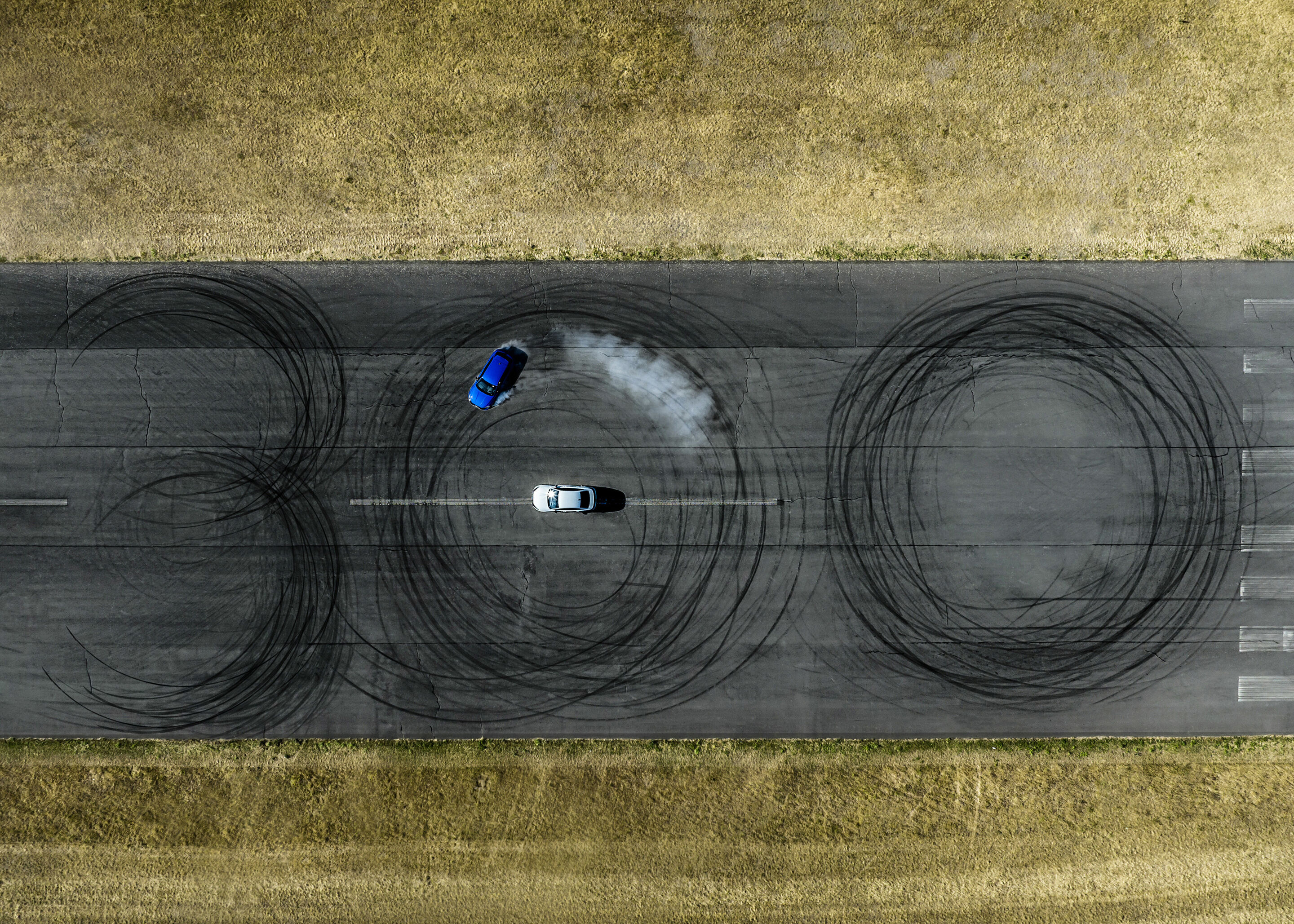
Faster: top speed set at 300 km/h (186 mph) Stronger: five-cylinder turbo engine with 299 kW (407 PS) of power Sportier: bucket seats, ceramic brakes, and adaptive chassis as standard Special: limited edition of 300 units with exclusive features
The RS 3 performance edition, the sportiest compact model from Audi Sport, is fast and a true street artist. Developed for maximum performance, the special edition boasts 299 kW (407 PS) of power and a top speed of 300 km/h (186 mph). In addition to well-known top technologies like the RS torque splitter and ceramic brakes, it has RS bucket seats for optimized lateral support and a whole host of exclusive design elements.
With the third generation of the Audi RS 3 Sportback and the second generation of the RS 3 Sedan, high performance has reached a new level in the compact segment.
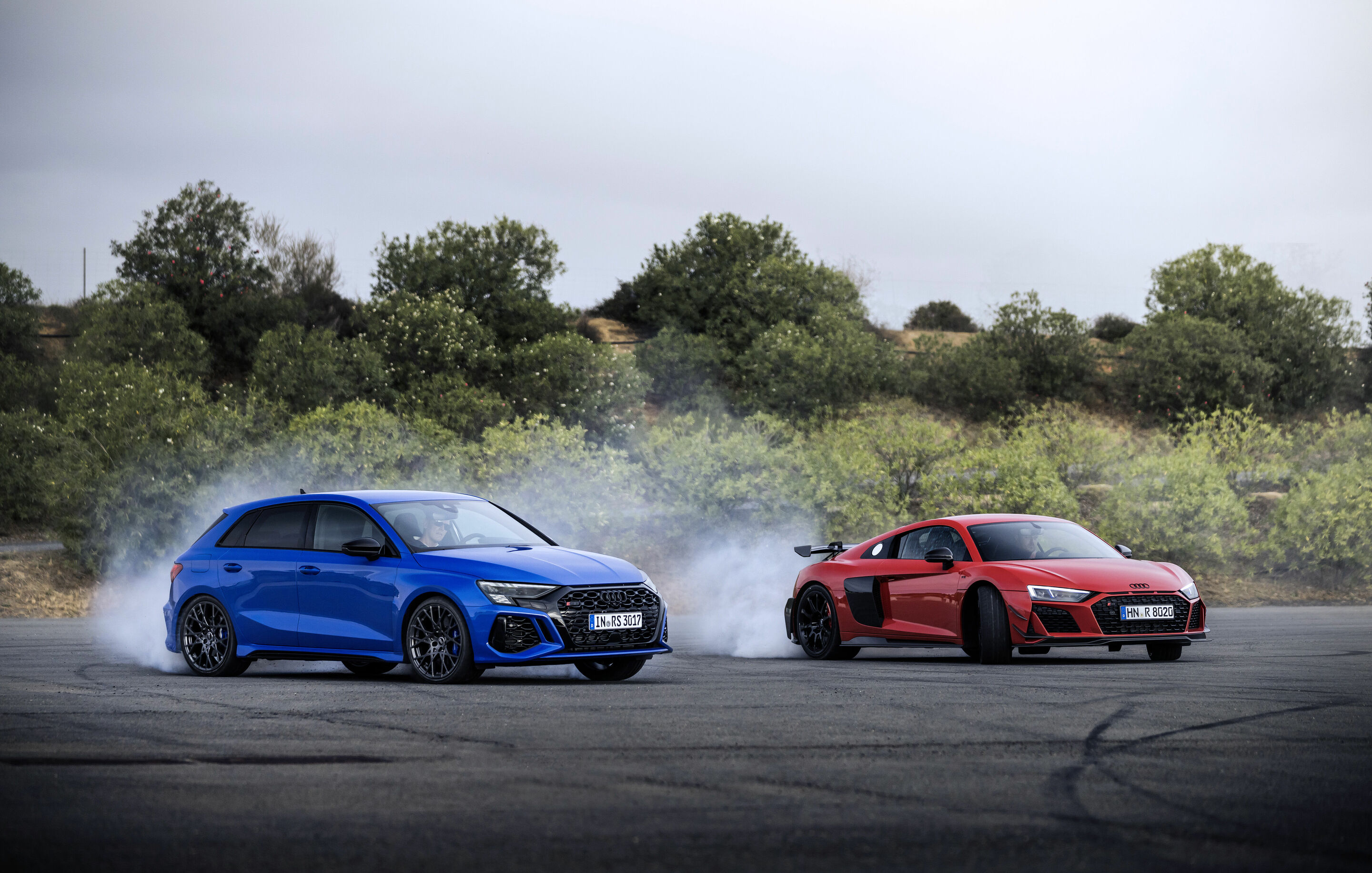
Both the R8 Coupé V10 GT RWD and the RS 3 performance edition offer the potential for drifting thanks to special modes. While the V10 engine in the high-performance R8 sports car only powers the rear wheels, the five-cylinder engine in the compact RS 3 sends its power to all four wheels thanks to a quattro system. In this interview, Audi Sport chassis developers Meic Diessner and Roland Waschkau explain how both cars get into the perfect slide.
What are the fundamental differences between the drive concepts of the two vehicles? Meic Diessner: The RS 3 performance edition(((Audi RS 3 Sedan performance edition: Combined fuel consumption in l/100 km (62.1 mi) - NEDC; 9.3 - 8.9 (25.3 – 26.4 US mpg) (WLTP); combined CO2 emissions in g/km: - NEDC; 212 - 201 (341.2 – 323.5 g/mi) (WLTP). Audi RS 3 Sportback performance edition: Combined fuel consumption in l/100 km (62.1 mi) - NEDC; 9.5 - 9.0 (24.8 – 26.1 US mpg) (WLTP); combined CO2 emissions in g/km: - NEDC; 216 - 205 (347.6 – 329.9 g/mi) (WLTP).
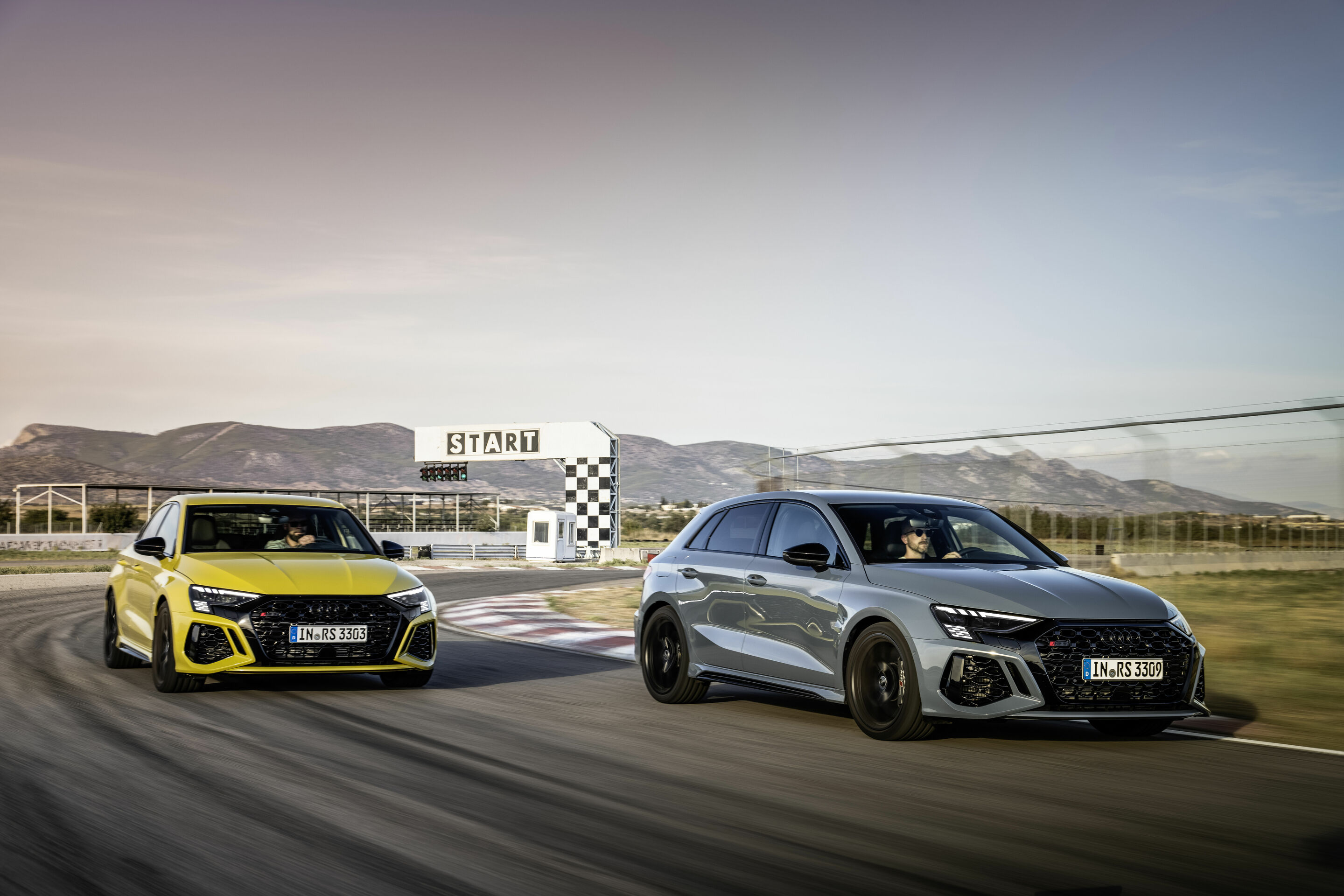
These are the features that power the latest generations of the Audi RS 3 Sportback and RS 3 Sedan to the top of the compact segment. The torque splitter, used for the first time in an Audi, also plays a part in this, providing greater lateral dynamics and stability. The more expressive design combined with RS-specific controls turns the latest RS 3 models into premium sports cars suitable for everyday use.
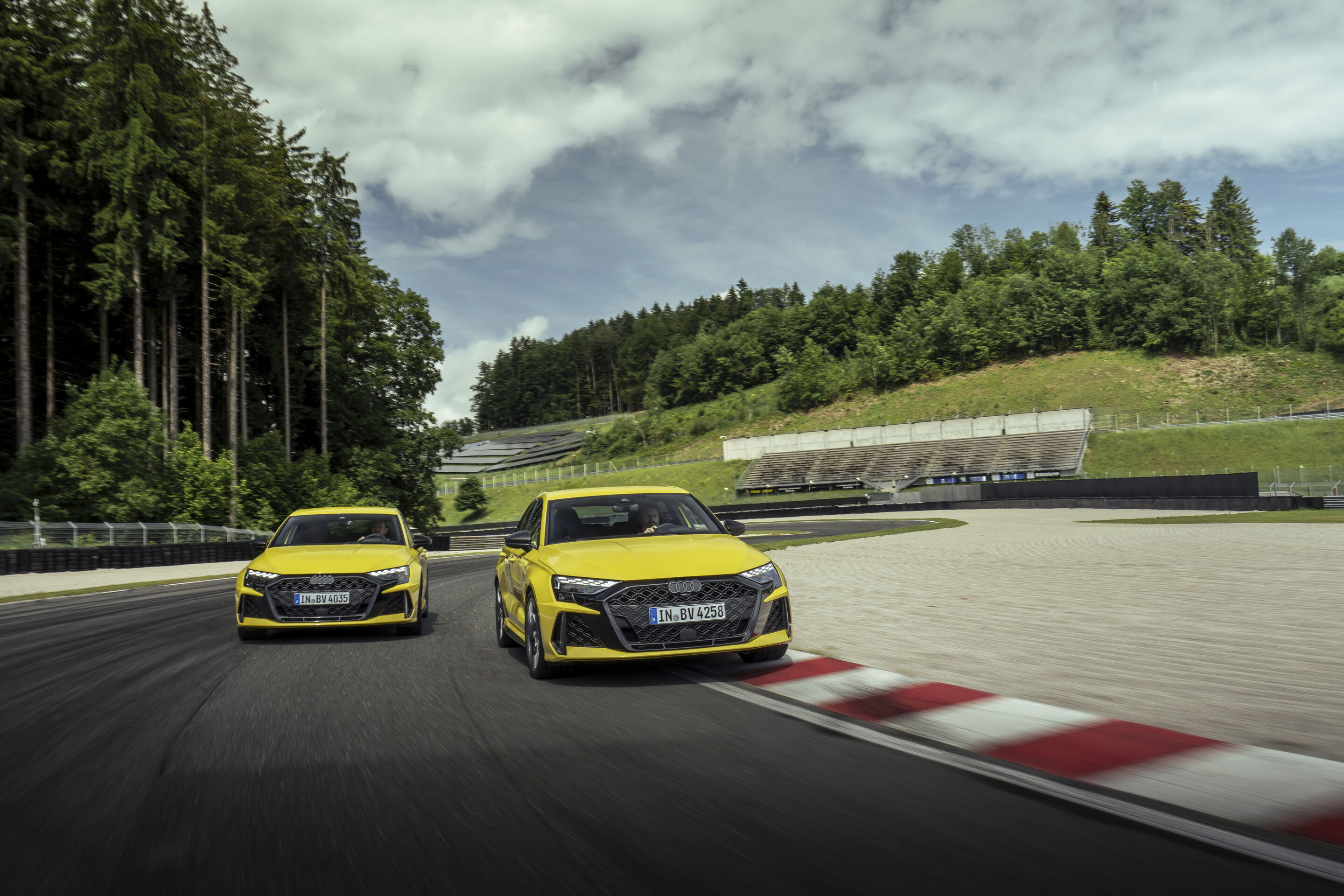
One year ago, Audi set a lap record on the Nürburgring Nordschleife with the RS 3, making it the fastest compact car on the 20.832-kilometer racetrack in the Eifel to date. With an optimized chassis setup, semi-slick tires, and 400 PS from the legendary five-cylinder engine, the updated RS 3 was more than seven seconds faster than the pre-facelift version.
Since the introduction of the torque splitter in 2021, the Audi RS 3 has reached a new level of driving dynamics. The fully variable torque distribution on the rear axle enables not only increased agility but also more stability – an advantage in everyday driving as well as on the racetrack. With the product upgrade of the RS 3, which has been on sale since the end of 2024, the compact sports car performs even better in corners. An improved algorithm ensures more precise networking of the chassis control systems, thus enabling earlier and better controlled agility.
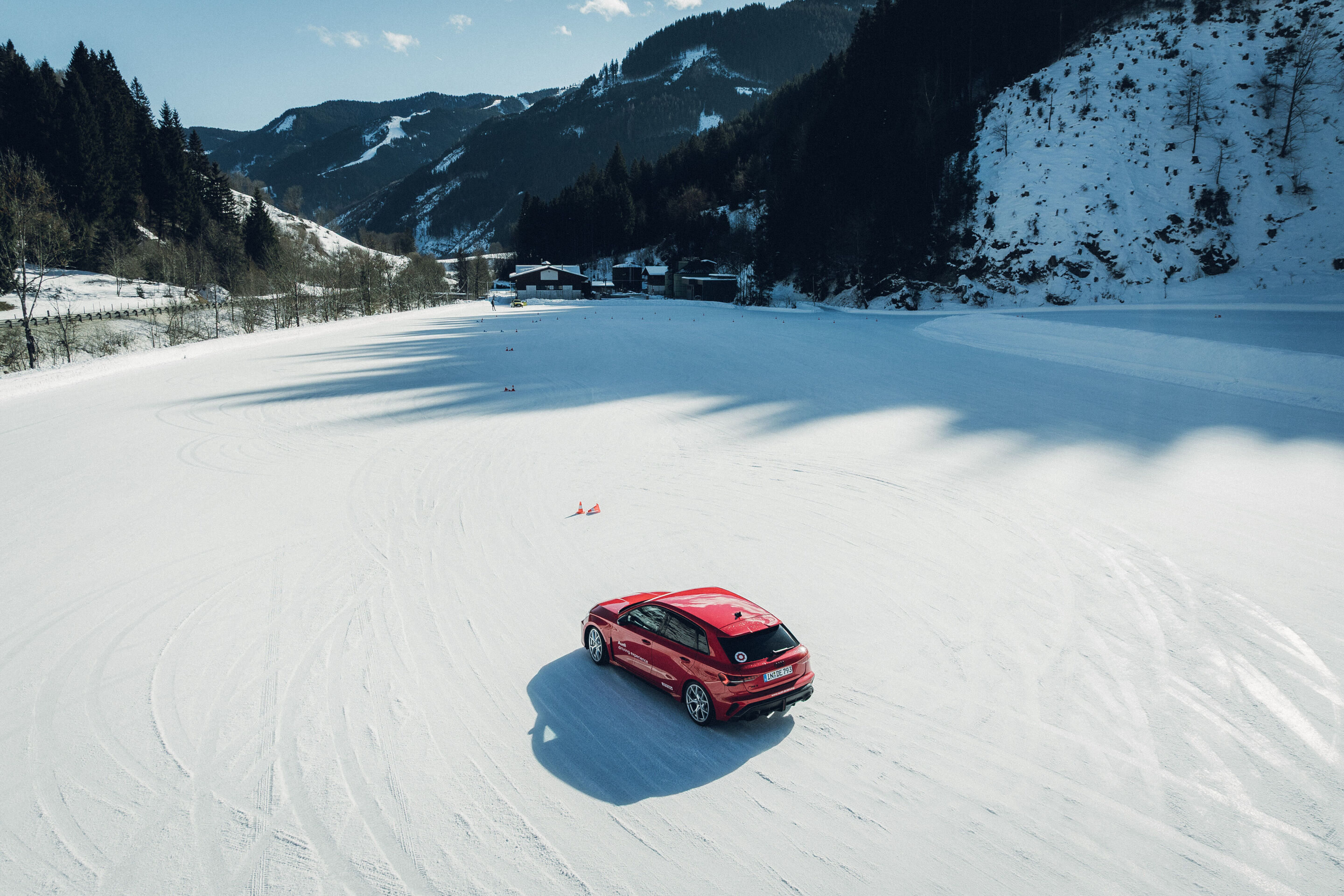
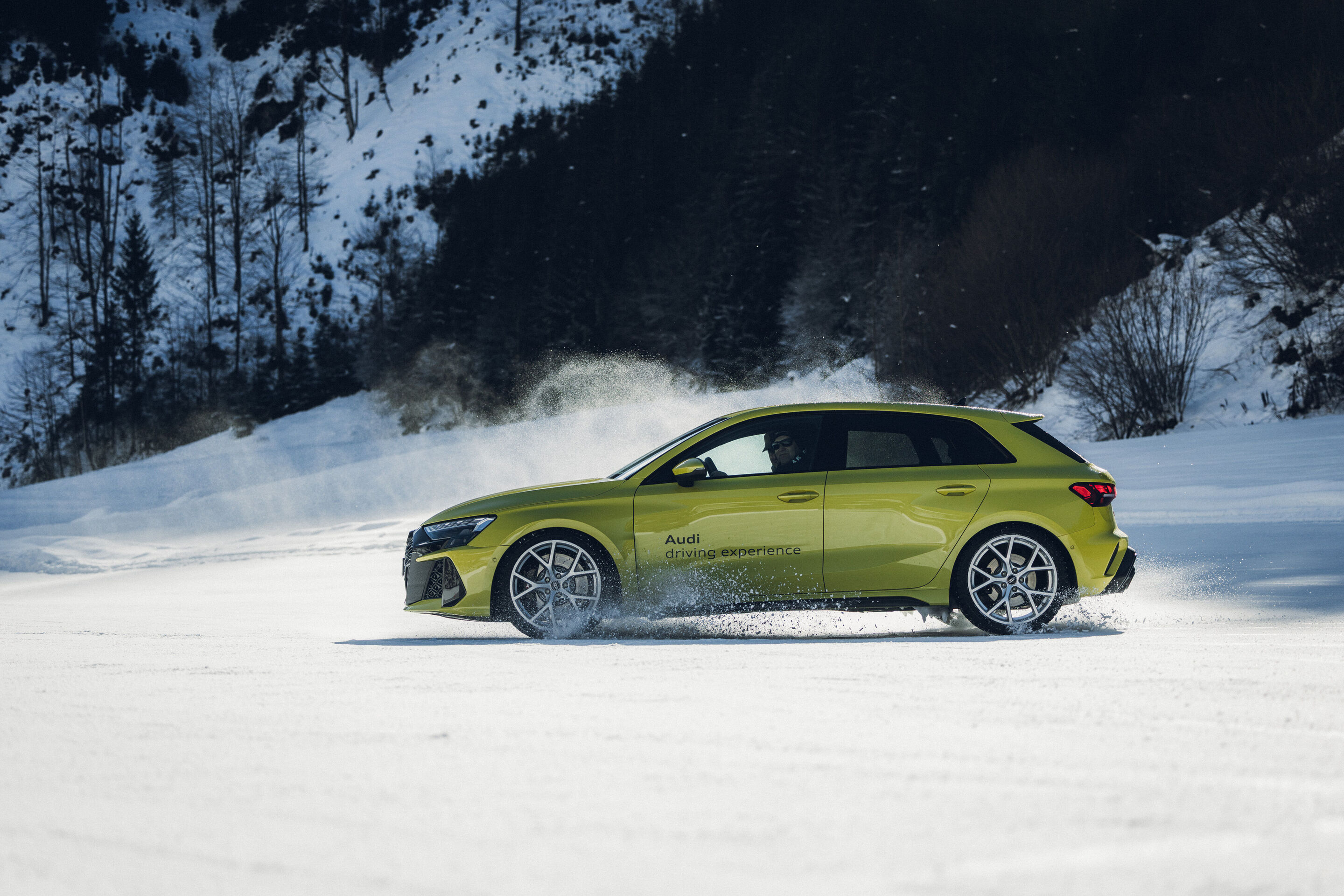
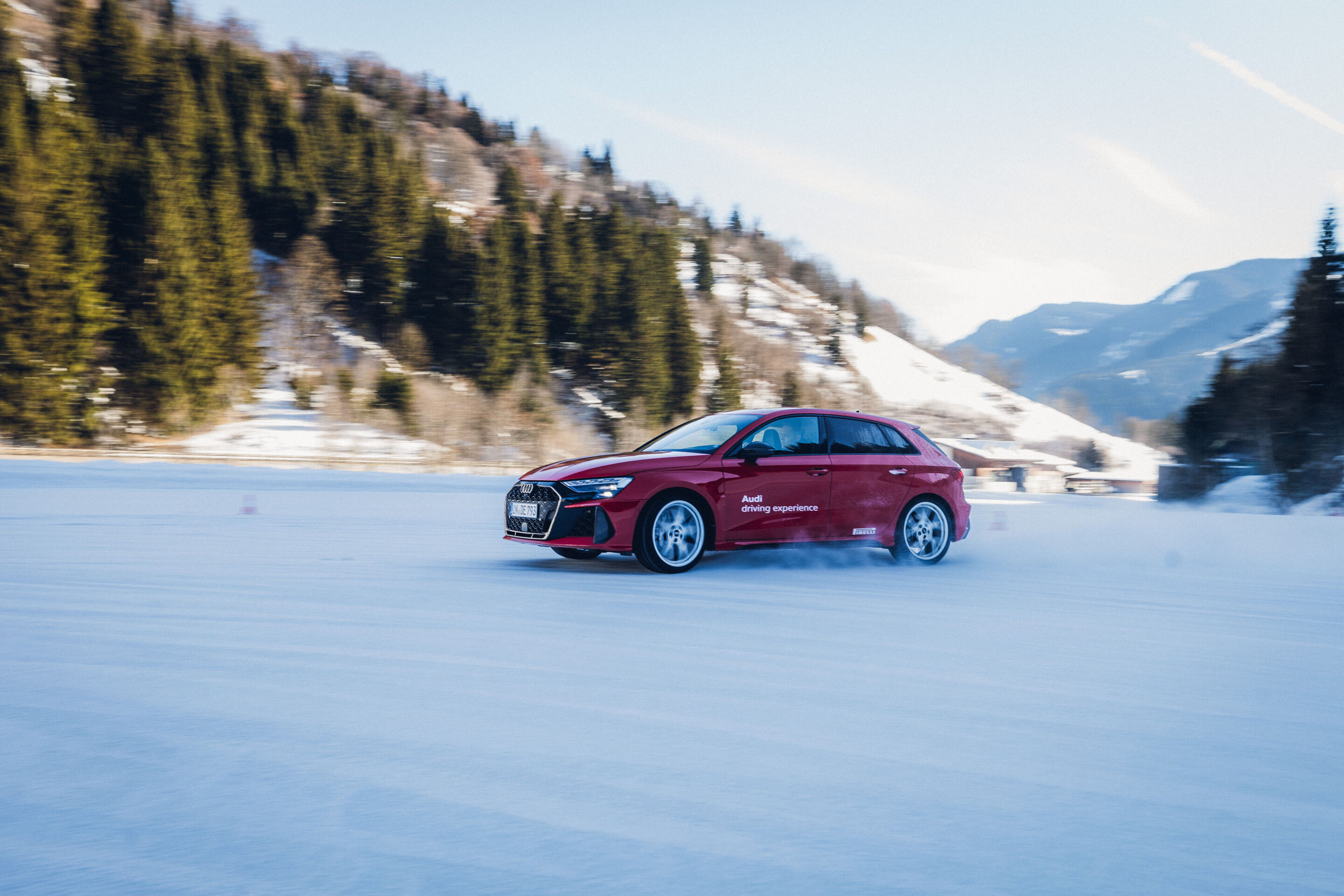
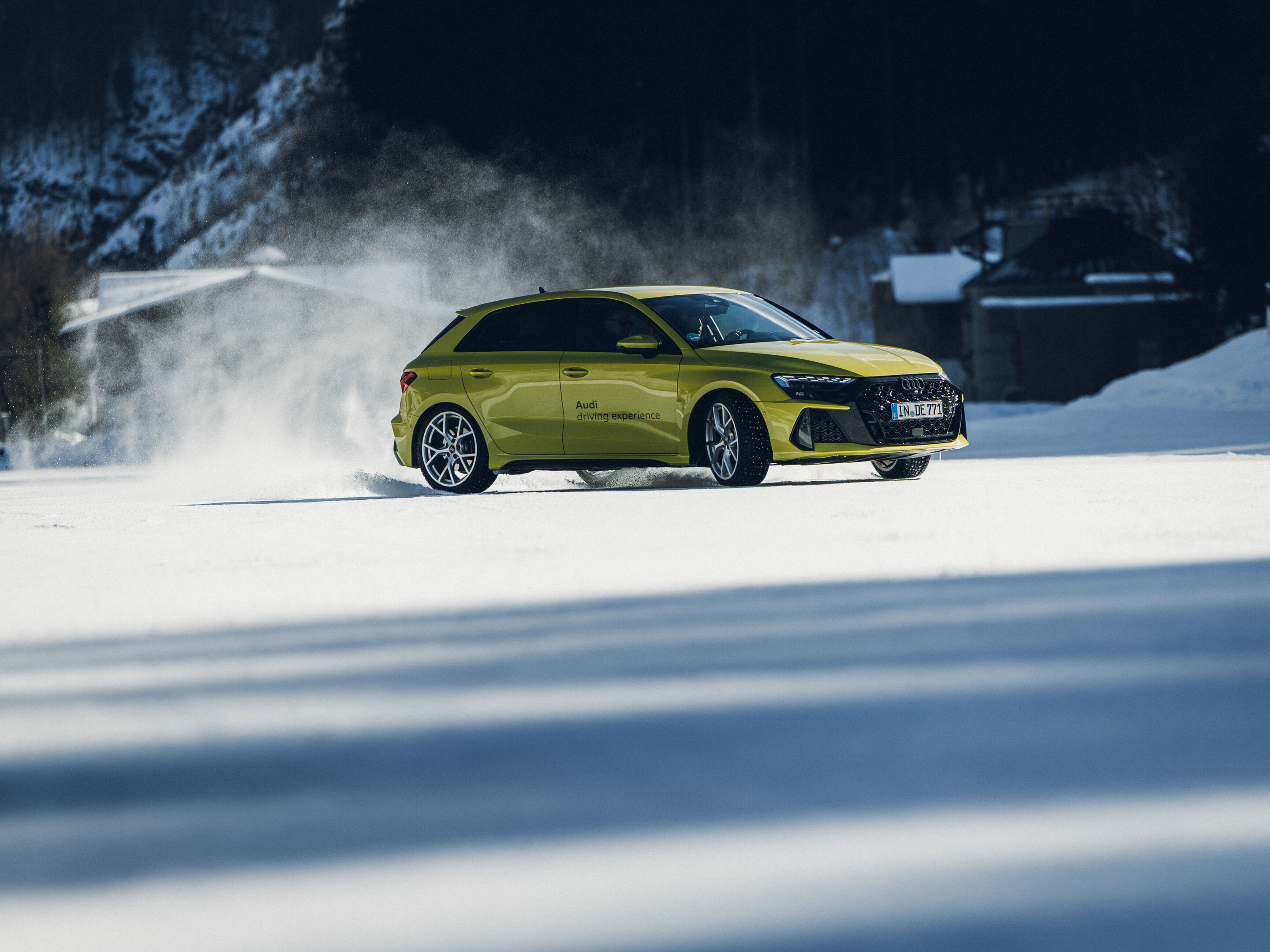
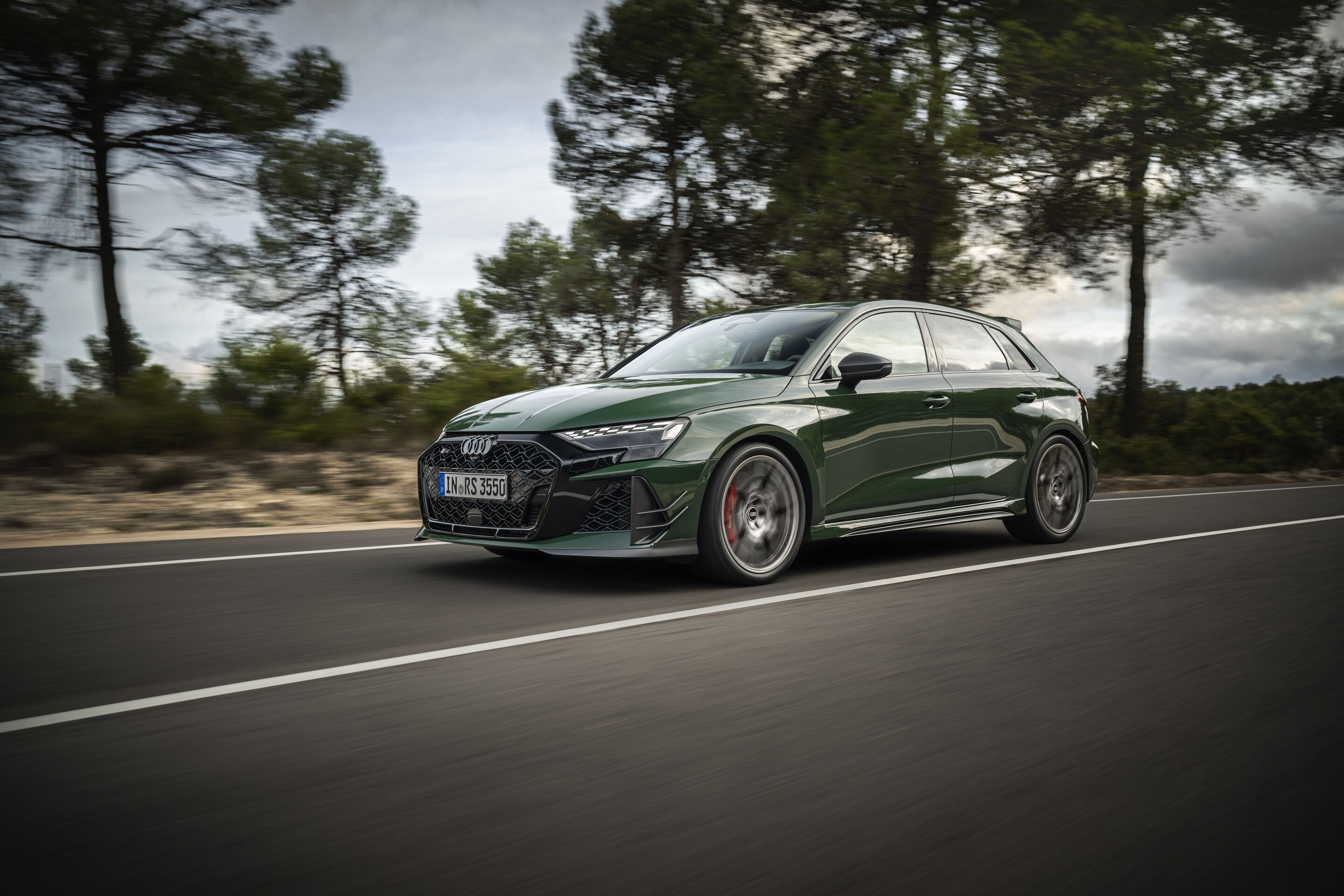
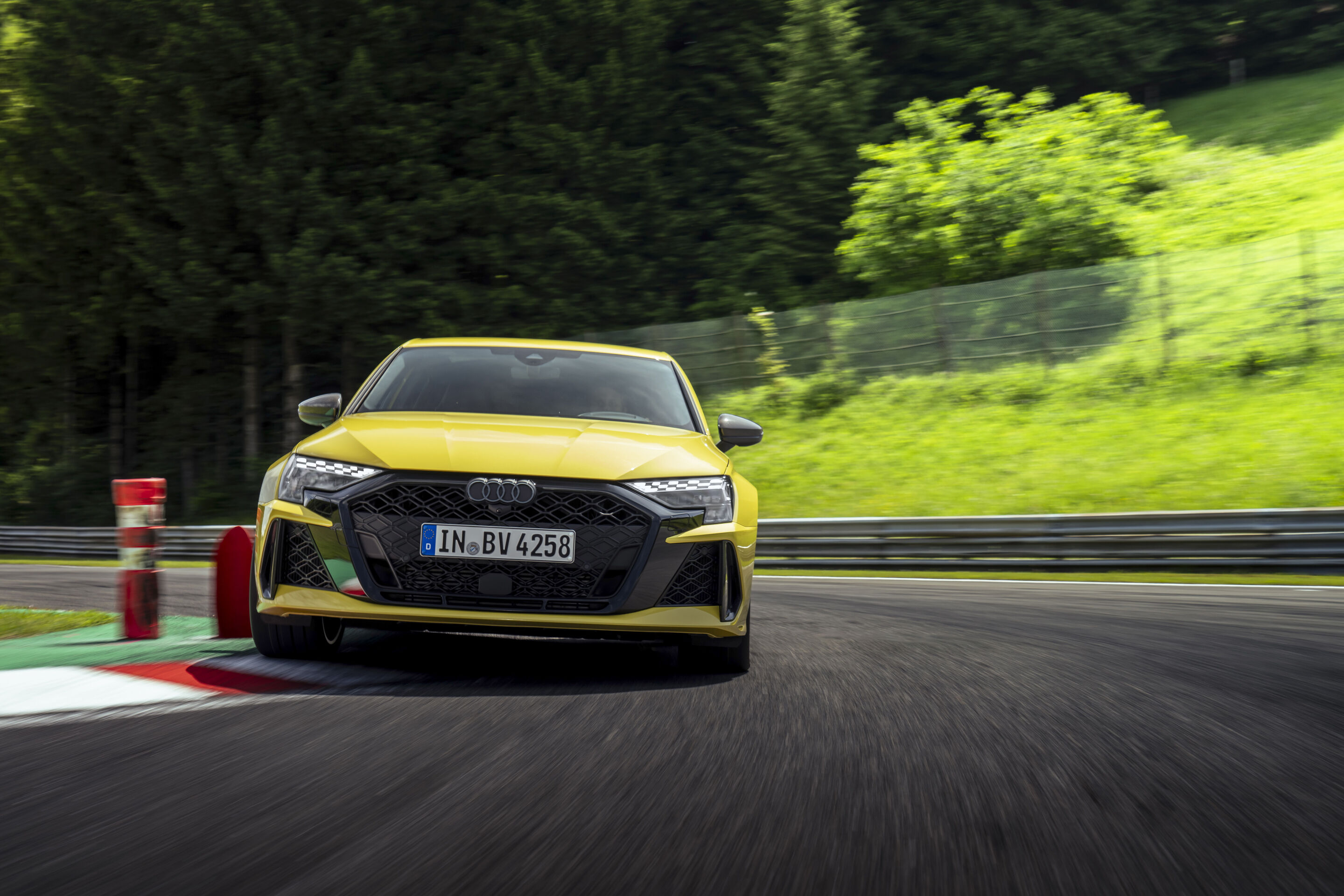
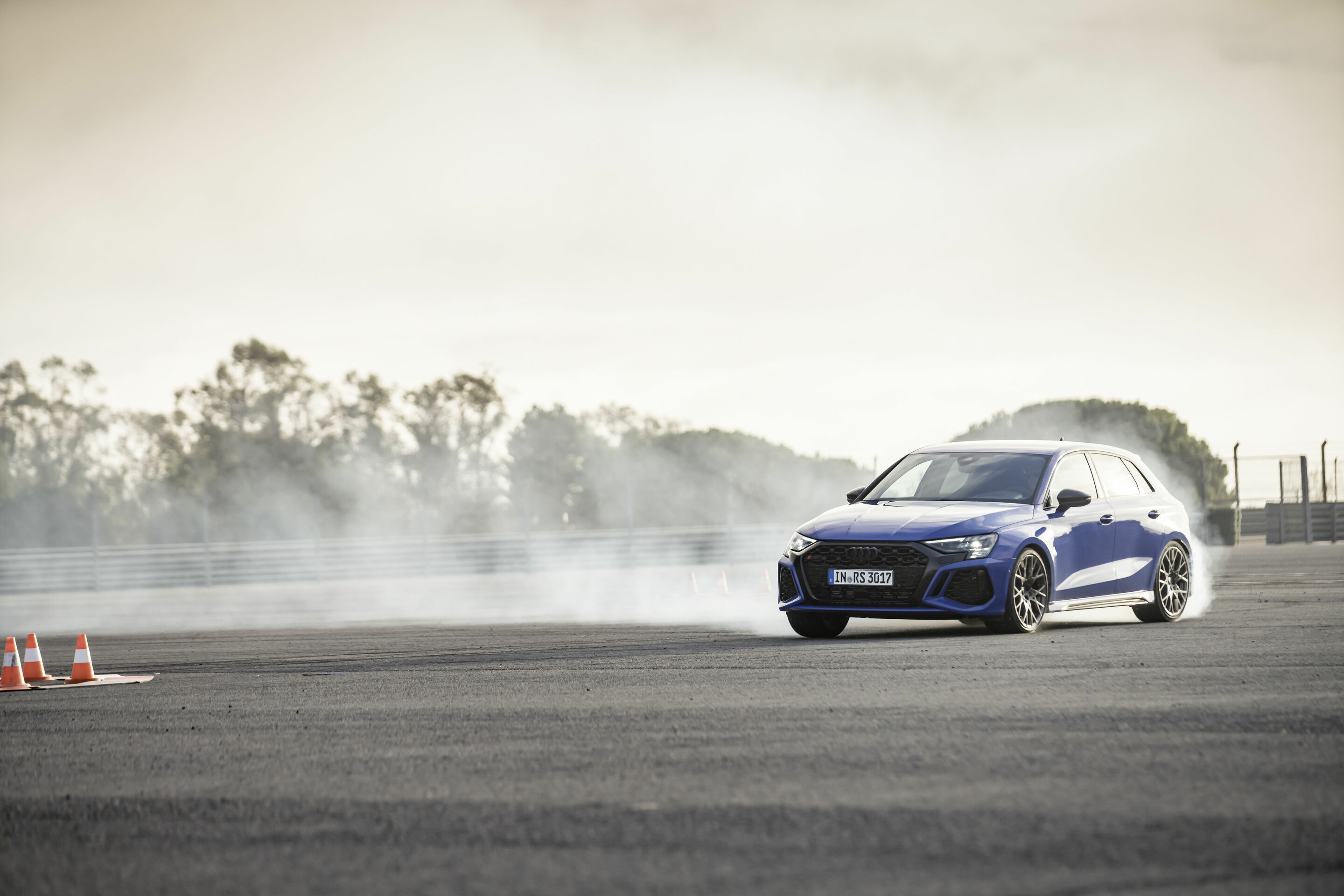
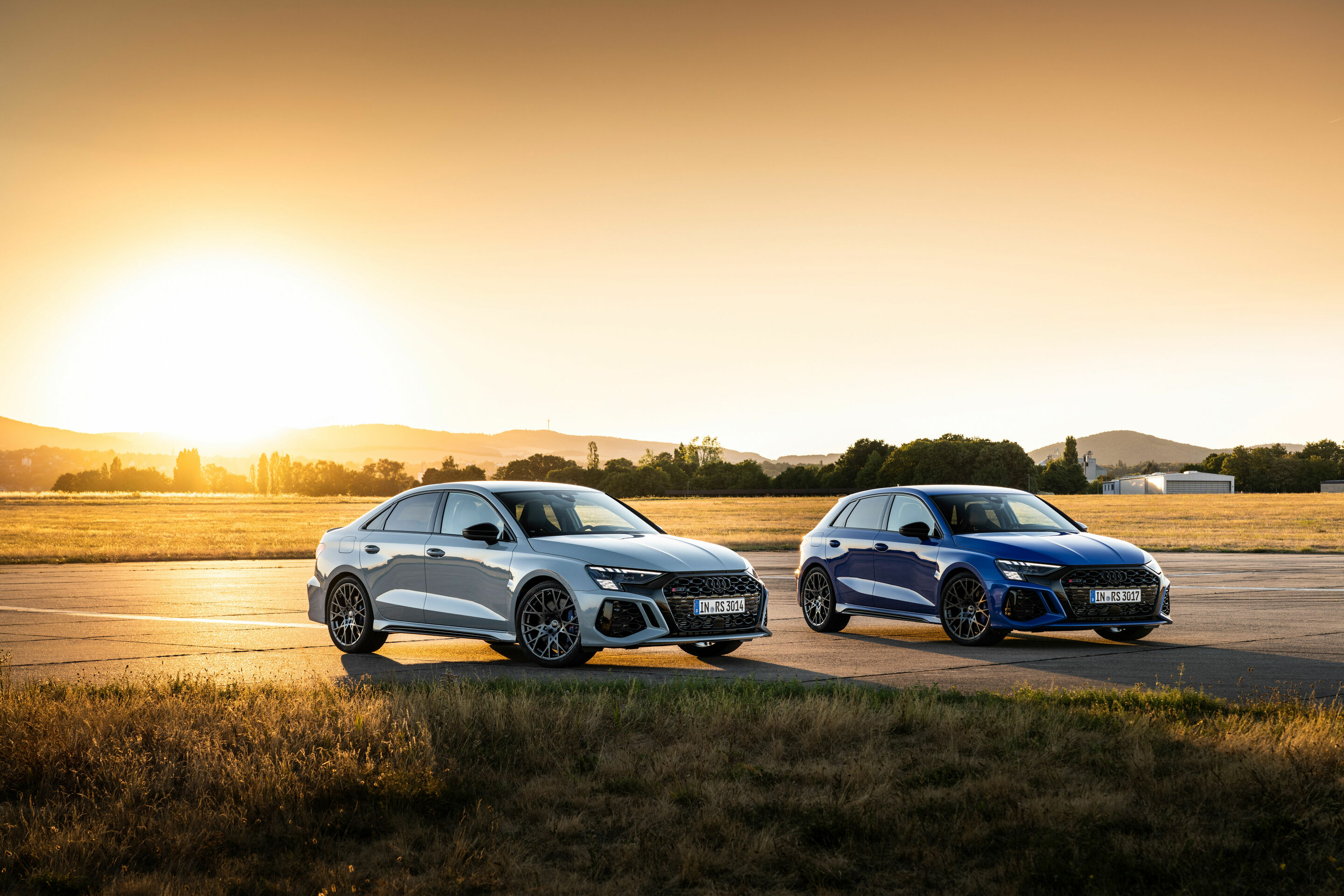
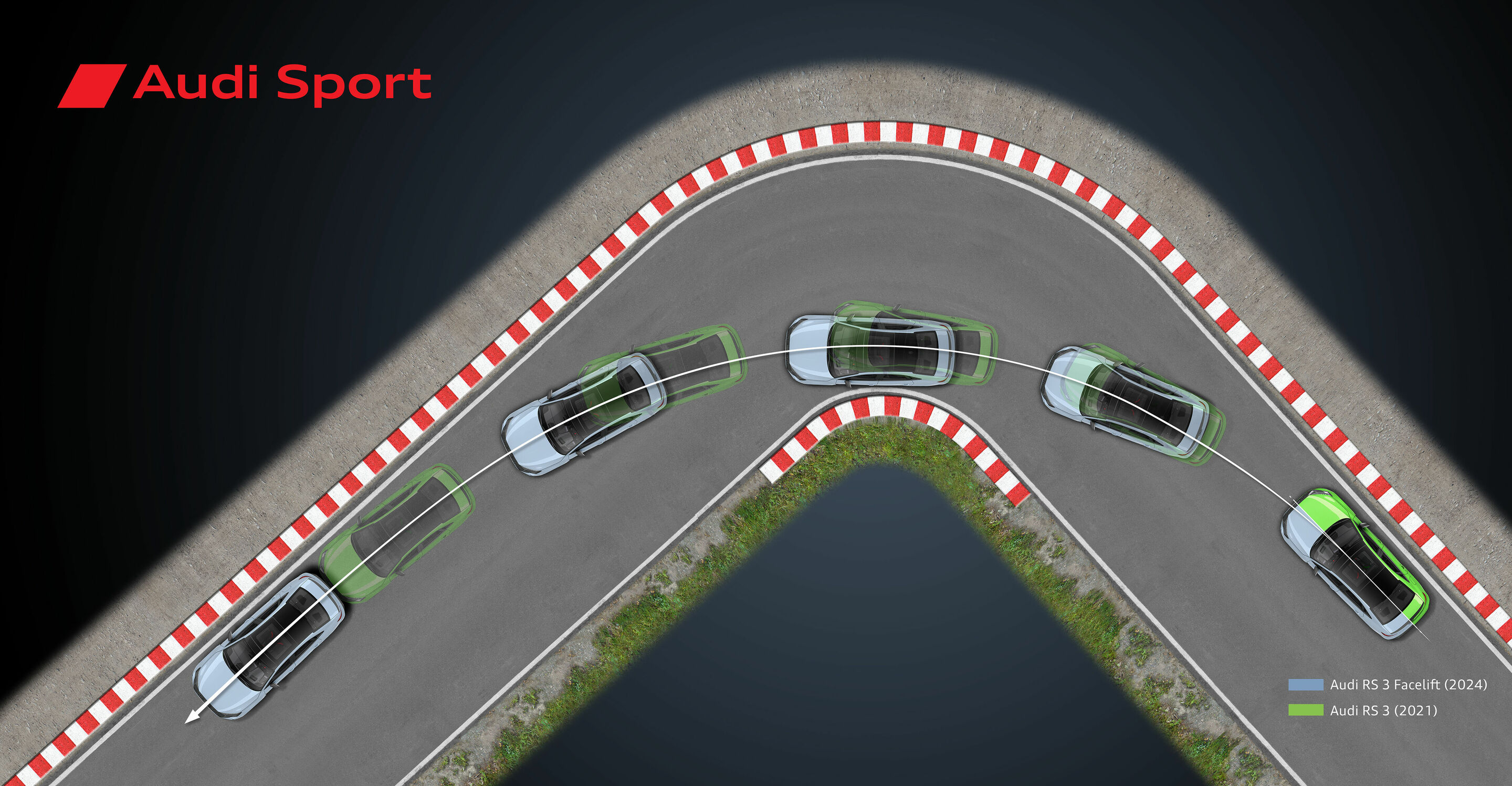
The RS 3 avoids understeer right at the entrance to the bend and turns in more willingly thanks to fine-tuning – including brake torque vectoring. This means that while the torque splitter provides torque to the rear wheel on the outside of the curve, the wheels on the inside of the bend are braked slightly. Thanks to these finely dosed braking interventions, the RS 3 follows the curve radius more precisely than before and is positioned earlier and better at the apex of the curve. This allows the driver to accelerate sooner and achieve a higher speed at the exit of the bend. The technical background This earlier and more controlled agility is made possible by an improved algorithm that enables the chassis control systems to communicate with each other more precisely. The two control units of the torque splitter, the electronic stabilization control, the brake torque vectoring (i.e. the wheel-selective torque control), and the adaptive dampers of the RS sport suspension react even more sensitively to the respective driving situation – always depending on the selected Audi drive select mode. The interaction of these systems also ensures increased stability, for example in wet or snowy conditions.
Audi RS 3 Sportback
Audi RS 3 Sedan
Illustrations Audi RS 3 Sportback / RS 3 Limousine
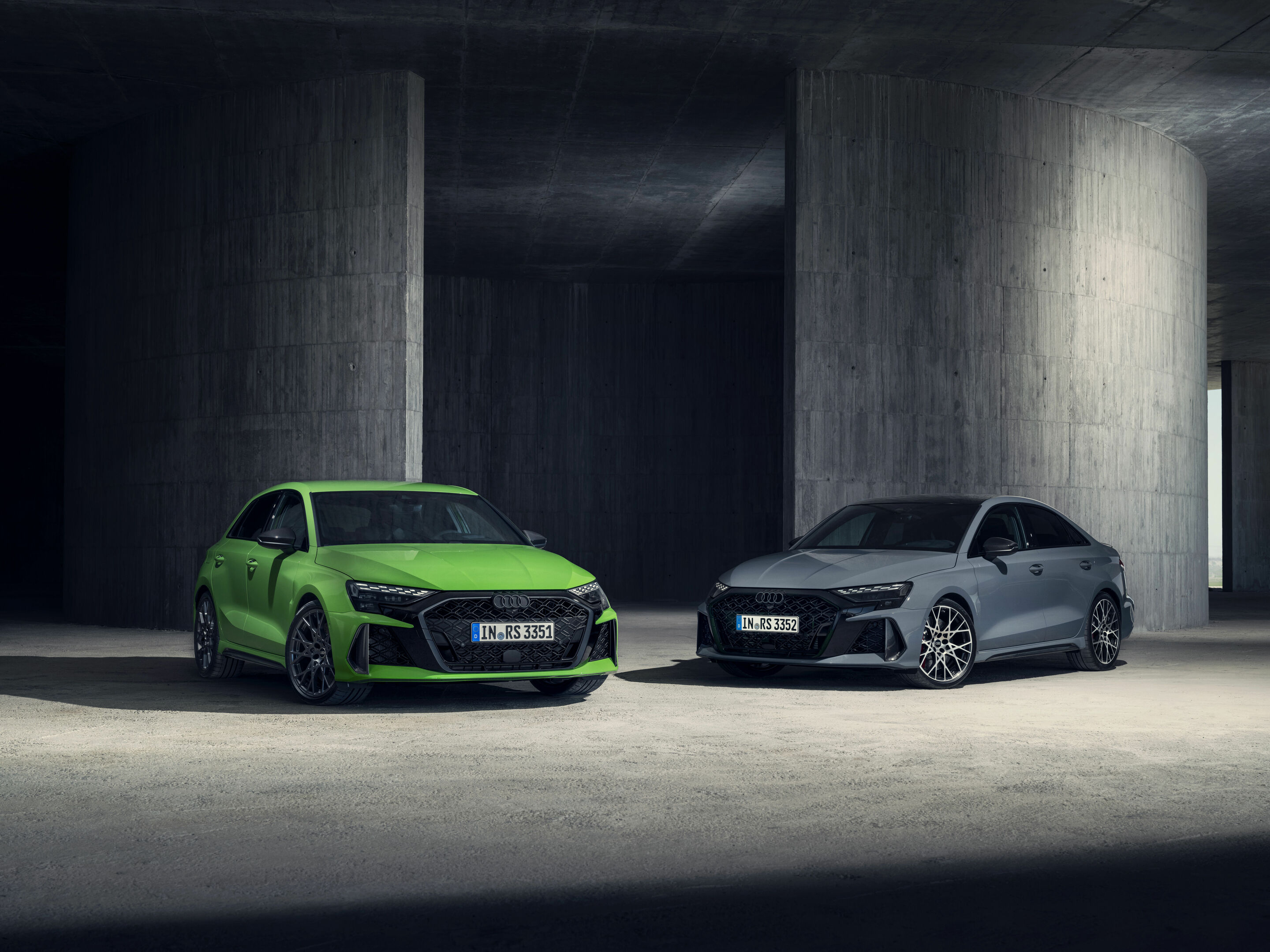
The new RS 3 Sportback and Sedan models, manufactured at the Audi plant in Ingolstadt, will be at dealers from October and available to order from the end of August. Prices for the RS 3 Sportback start at 66,000 euros in Germany. The additional charge for the sedan version is 2,000 euros.
Audi RS 3 Sportback
Audi RS 3 Sedan