Search
All search results for "snow"
(79)
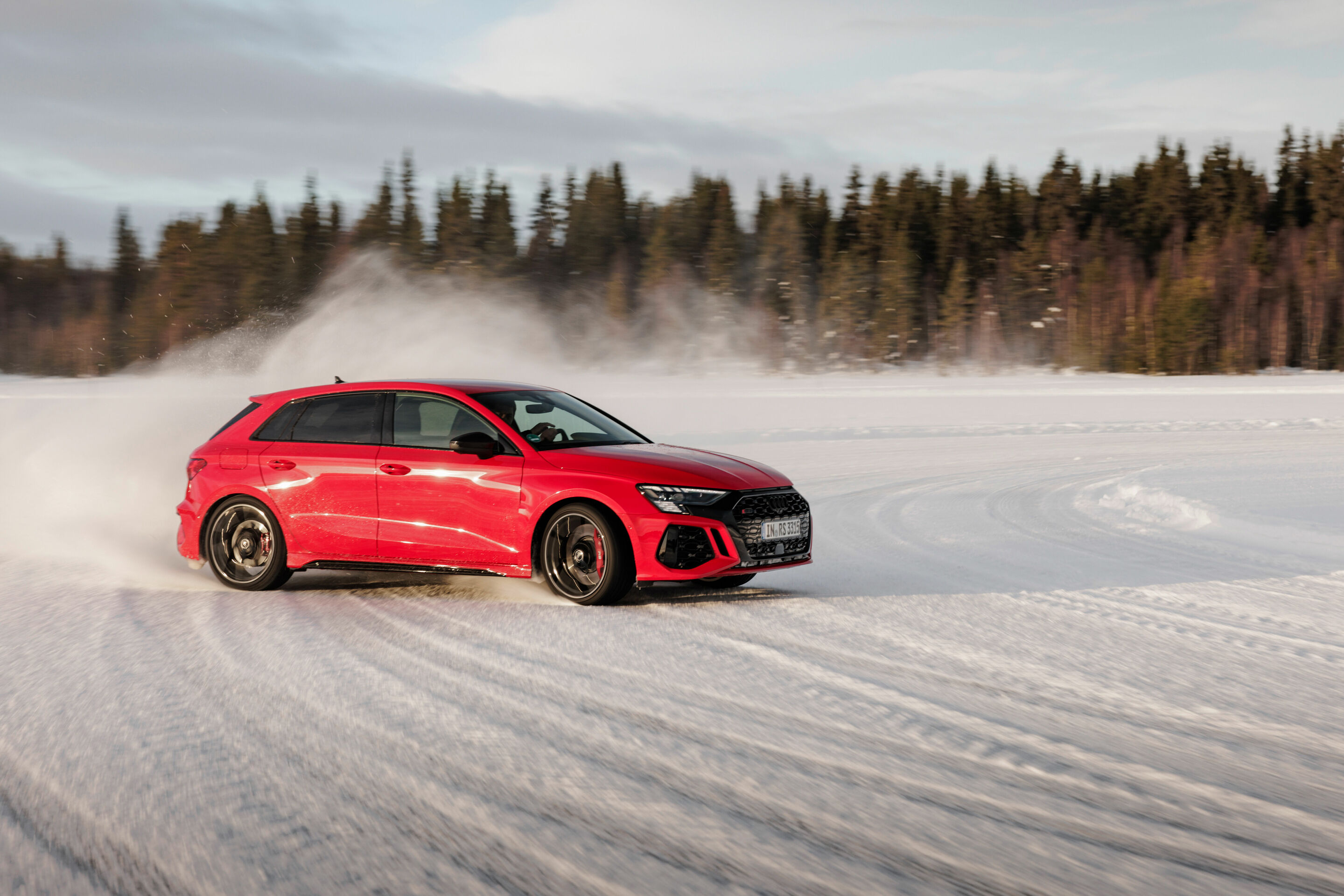
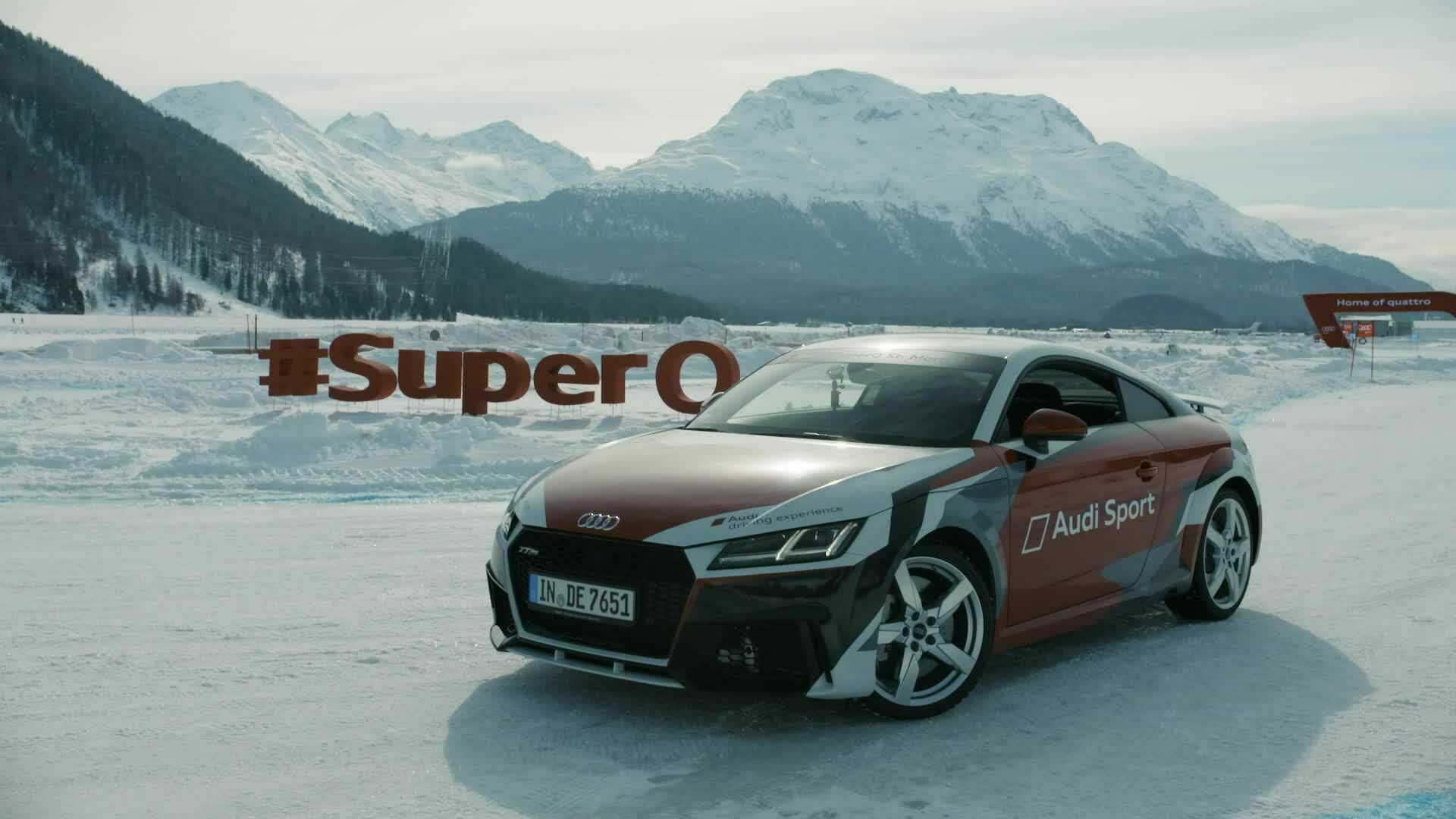
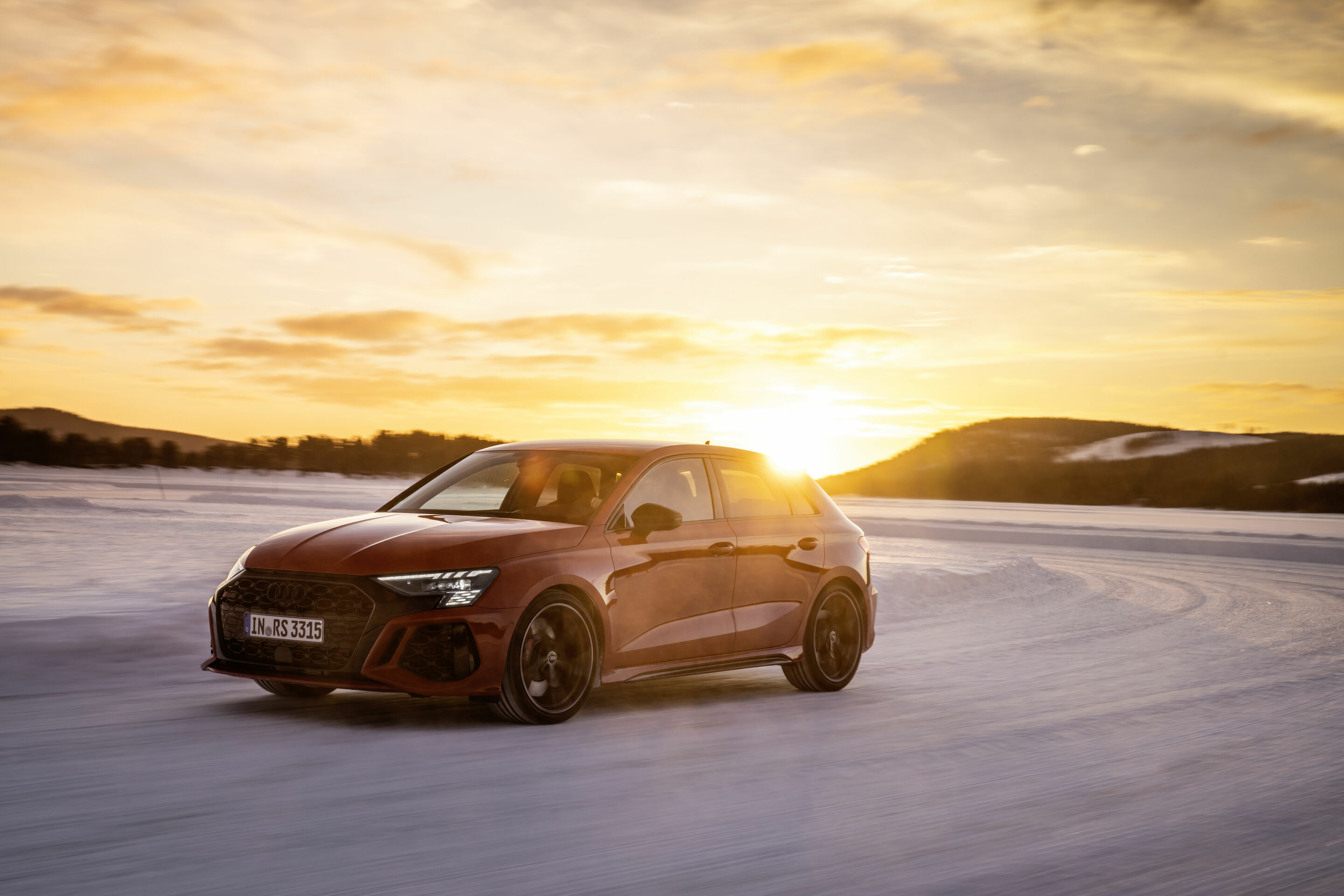
quattro is Audi, and Audi is quattro. The all-wheel-drive system is one of the core areas of expertise of the four rings and represents optimum traction on any surface. The quattro drive system is used in conjunction with the RS Torque Splitter for the first time in the Audi RS 3. Drifting in an all-wheel-drive car? This is how it works in the RS 3 ...
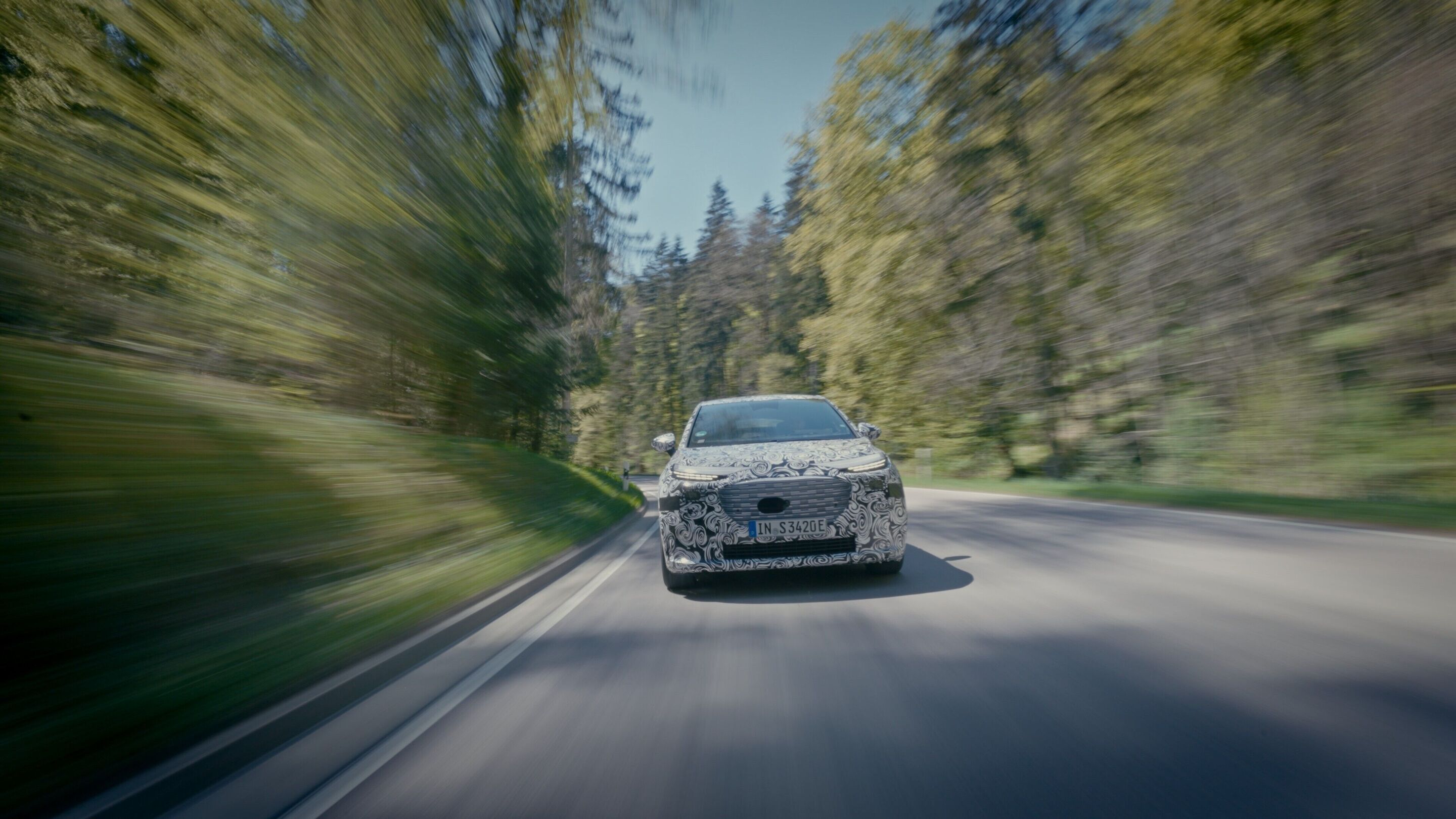 Audi A2 e-tron clocks up test kilometers
The prototype is undergoing various tests before it premieres in the fall: the camouflaged A2 e-tron is clocking up vital test kilometers on snow and ice, in the wind tunnel at Audi Technical Development in Ingolstadt, and on public roads. Cold weather trial in Scandinavia Icy temperatures, snow-covered roads, and slippery test tracks on a frozen lake: during winter testing in Lapland, the A2 e-tron is showing what it is made of under extreme conditions. The validation process at a secret test site in northern Sweden focuses not only on driving dynamics but also on thermal management and battery performance. The interplay of the electric drive, brake control system, and suspension is adjusted by the minute – for the unmistakable experience of driving an Audi. Aerodynamic optimization in the wind tunnel in Ingolstadt The distinctive roofline lends the A2 e-tron a strong character and is also the reason for its outstanding aerodynamics. These aerodynamics are constantly being tested and optimized in the wind tunnel at Audi Technical Development. With wind speeds of up to 300 km/h, ultra-precise aeroacoustic measurement, and a 235 km/h rolling road, the wind tunnel provides ideal conditions for optimizing the airflow characteristics, noise development, and thermal stability of the A2 e-tron. Road testing in Bavaria’s winding valleys Inclines, variable road surfaces, and tight bends: the development team is using the diverse conditions of the Altmühl Valley region in Bavaria to test the finely balanced suspension and assistance systems in real road traffic. Here, the A2 e-tron demonstrates its everyday usability. Production in Ingolstadt The fully electric A2 e-tron is built at the Audi headquarters in Ingolstadt, underlining the company’s commitment to transforming its plants in Germany and Europe.

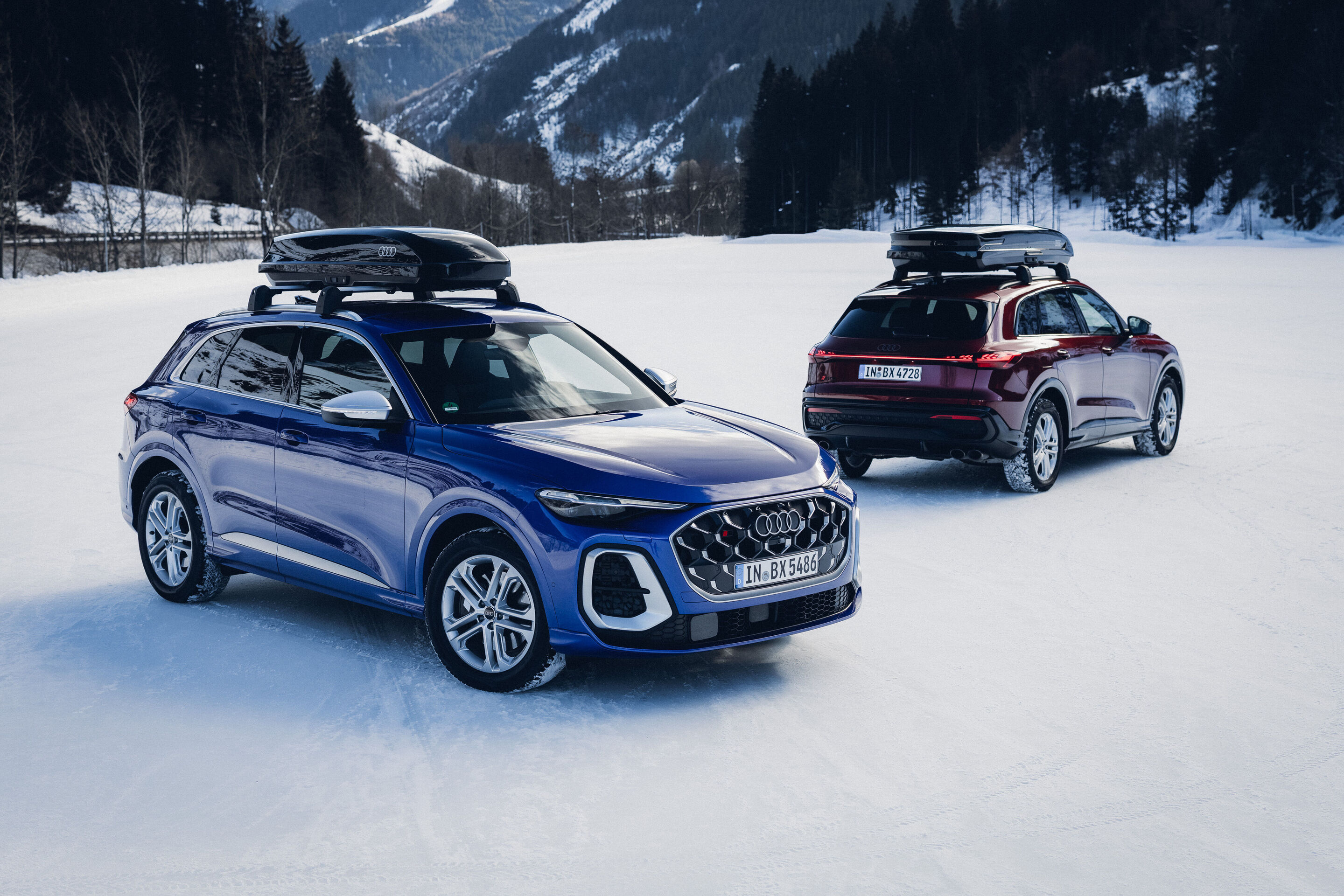
A challenging route through snow-covered winter landscapes where both Sportback and SUV can show what they are made of lies ahead. The destination: Zell am See in Austria.
Under bright winter sunshine, the convoy sets off on a 287-kilometer journey along highways, country roads, and winding mountain passes. From Munich, Germany, the route follows the B307 toward Schliersee, into Austria, through the Inn Valley, and along the Gerlos Alpine Road. The route includes photo stops against the Alpine panorama at Schliersee and Spitzingsee as well as overlooking the distant Krimml Waterfalls. The Alps show their wintry character as snow-covered passes alternate with sections where the snow is melting – conditions the Q5 models handle effortlessly. For a winter road trip, Audi Genuine Accessories offer products for many applications, all high-quality, practical, and easy to use. Ice scrapers, all-weather floor mats, and trunk organizers represent just a portion of the extensive portfolio. The teams can focus on what matters: experiencing the Q5 models in different situations. The route challenges both vehicles and drivers – from highway stretches to winding back roads and the tight switchbacks along the Gerlos Alpine Road. Here, the new engine generation truly shines. The efficient and powerful MHEV plus technology is available across every engine variant, including the range-topping SQ5. It enables not only reduced fuel consumption and electric driving phases, but also instant response when accelerating out of hairpin turns. The air suspension with adaptive damper control and quattro all-wheel drive prove particularly valuable on snow-covered sections. The interaction of driver assistance systems and engine power delivers both safety as well as driving enjoyment – a combination the participants clearly appreciate. The display and control concept also earns praise from the group.
Audi delivered around 1.7 million vehicles worldwide in 2024. More than 164,000 of those were fully electric models. Reasons for this overall decline of almost 12 percent (8 percent for fully electric models) compared to the previous year included the challenging economic conditions, an intensely competitive market, and limited availability of parts. In addition, the new product portfolio is only gradually having an impact on global sales volumes.
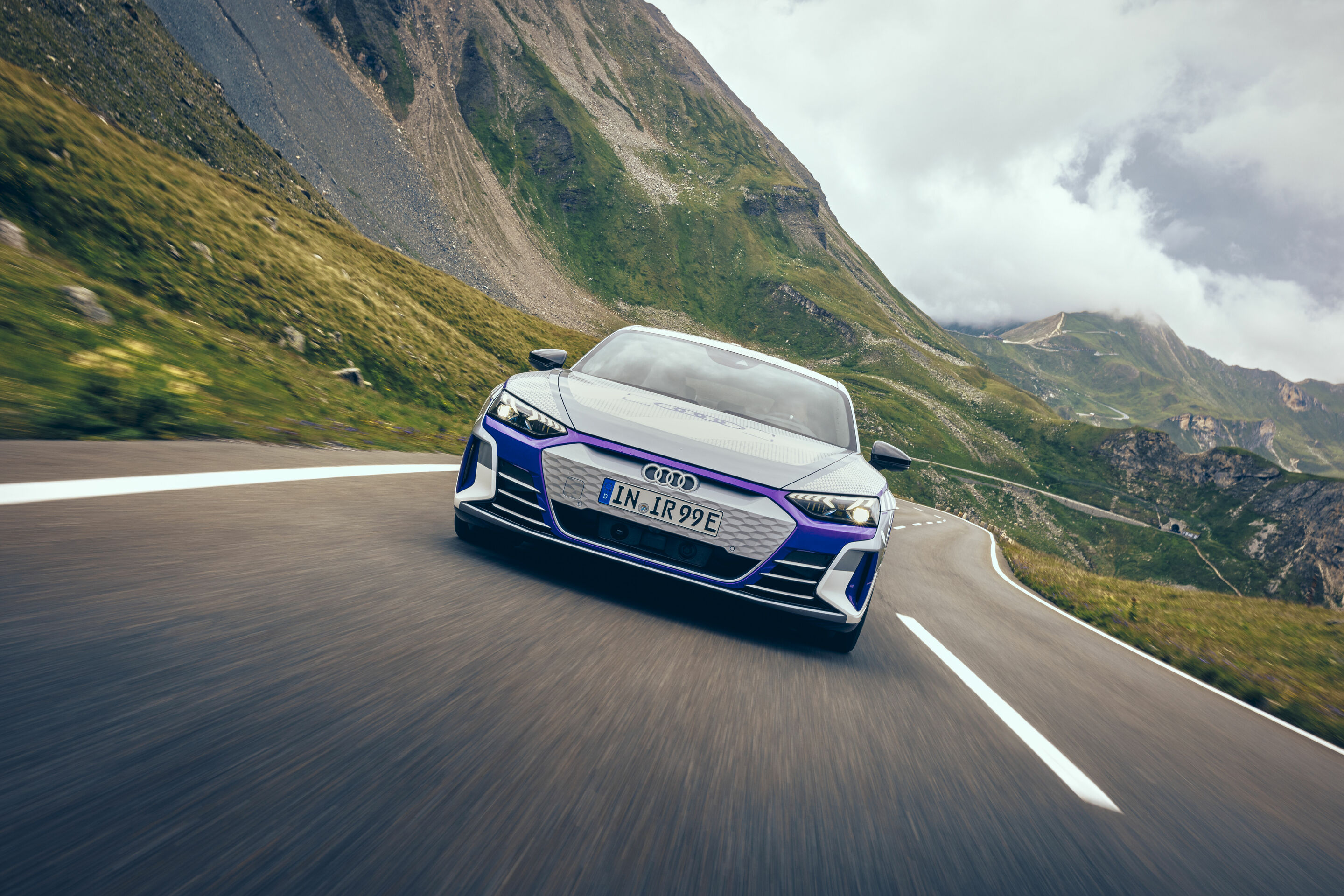
The color tones of the world of snow are reflected on the outer skin of the body and are continued in the interior. With its basic color Florett silver metallic and the black carbon roof in combination with a striking foil warp, the Audi RS e-tron GT ice race edition appears magical at first sight. The colors silver and white symbolize sparkling snow crystals and ice lakes, the purple accents evoke images of shimmering ski goggles. The precise accentuations and transparent patterns harmoniously, yet excitingly, reproduce the style of mountainous winter worlds. This color scheme is continued in the interior: seat center panels, shoulder arches and side bolsters in diamond silver leather emphasize this character. Combined with black leather sections and contrasting purple stitching, the four-door Gran Turismo spoils you with an exclusive ambience. Striking details round off the interior experience. “This new style of the ice race edition underscores the emotional pinnacle of electric mobility at Audi,” says Bernhard Neufeld, Head of Audi exclusive. “Our customization gives this electric Gran Turismo a very special personality.” The ice race edition is inspired by the design ideas of the Audi RS e-tron GT ice race concept show car and is now available in a special edition of only 99 units for Europe. The basis for the limited edition is the unchanged 440 kW RS e-tron GT. Customers can charge it at more than 500,000 public charging points in Europe with a single card using the Audi charging service. With fast DC charging at a maximum of 270 kW, five minutes of charging time is sufficient for about 100 kilometers of driving under ideal conditions. Exterior with unique combination of paint and foil wrap Started in 1952 and revived in 2019, the GP Ice Race event is derived from Scandinavian skijoring, but the race cars pull the skiers and there are show and demo runs.
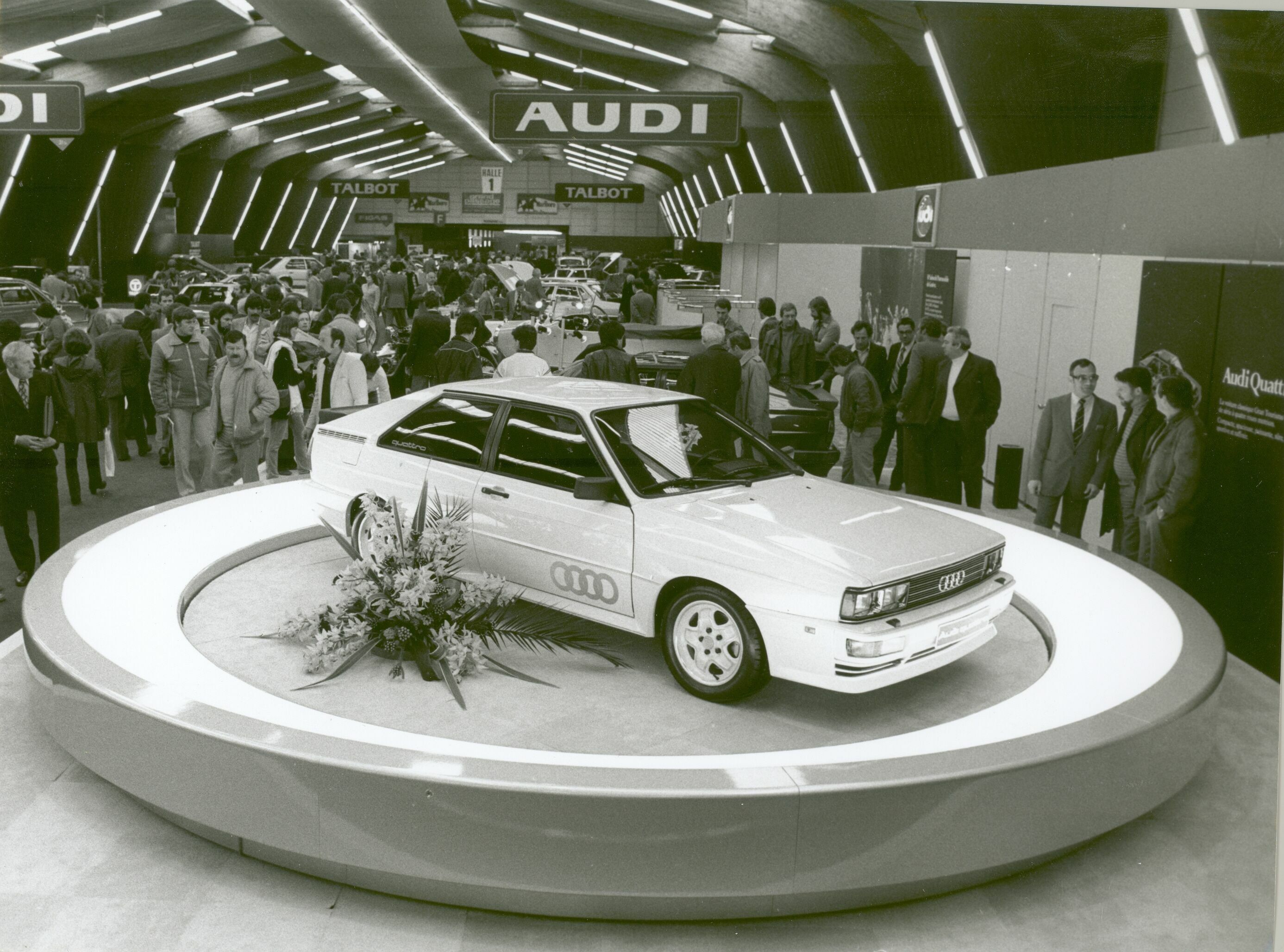 Audi Tradition celebrates 40 years of quattro
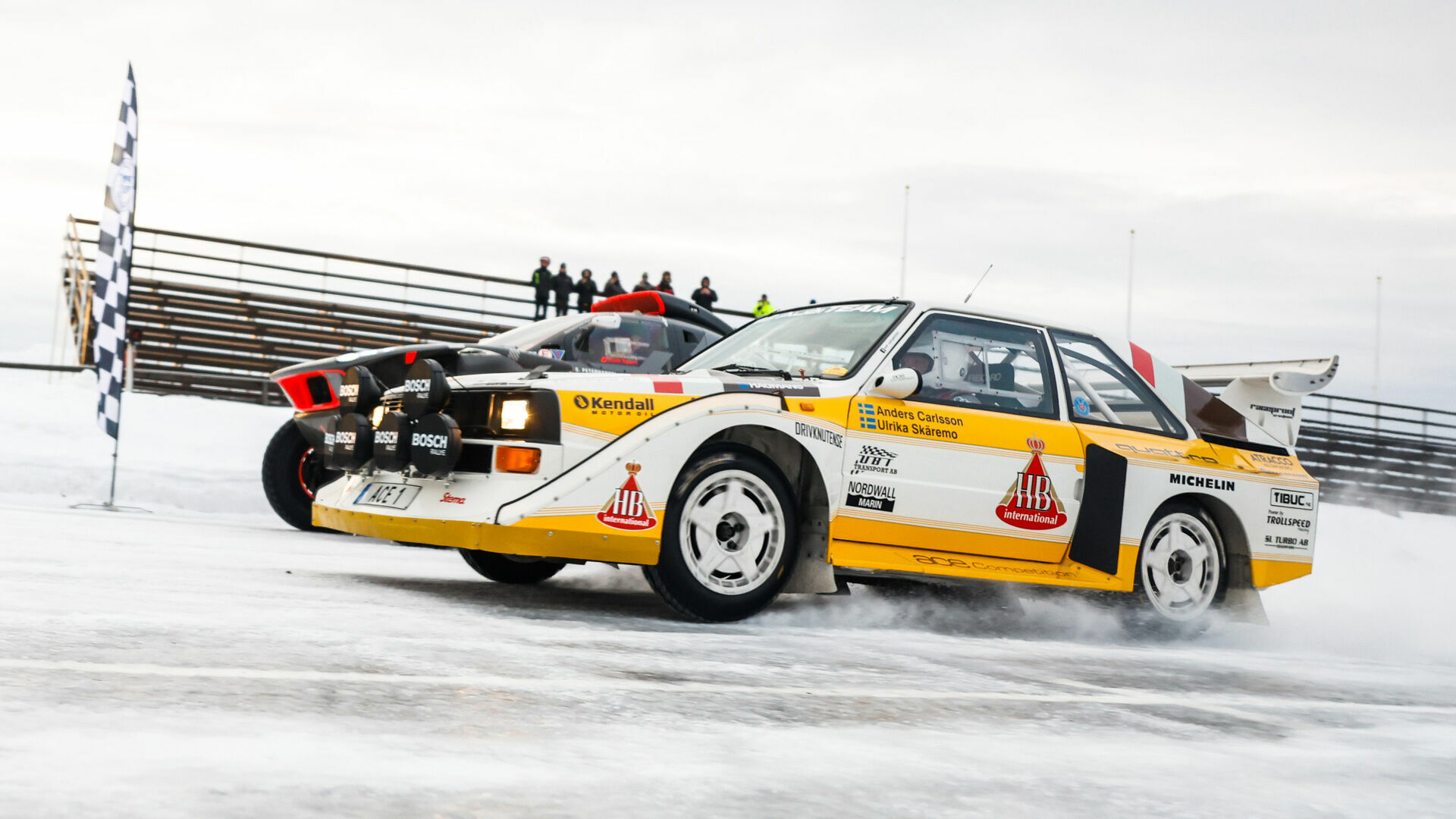
The excellent driving characteristics of this off-road vehicle on ice and in snow led engineers to the idea of installing the all-wheel drive system of the VW Iltis in a series-production Audi 80. The subsequent tests were especially impressive. And the result was a sporty Audi Coupé by the name of quattro. Its 147 kW/200 hp of power came from a more powerful variant of the 2.2-liter five-cylinder turbo engine presented in Fall 1979. The Audi quattro made its motorsport debut at the beginning of 1981 at the Jänner Rallye in Austria. The all-wheel-drive powerhouse from Ingolstadt revolutionized the international rally and racing scene from that point on. Reason enough, then, for Audi Tradition to bring some of its historical Audi quattro models – rally and street versions – out of storage for this year's event season. Classic events on Audi Tradition's program include the Goodwood Festival of Speed in England (July 9 to 12), the Eifel Rallye Festival in Daun (July 23 to 25), Classic Days at Schloss Dyck in Jüchen (July 31 to August 2), the home events Donau Classic (June 18 to 20) in Ingolstadt and Heidelberg Historic (July 9 to 11) near Neckarsulm, not to mention the Sachsen Classic show at the company's historic Zwickau location (August 13 to 15). The brand with the four rings will also be represented at the Rossfeld hillclimb in Berchtesgaden (September 25 to 27), as well as at Audi RegioSprint in Ingolstadt (April 25) and, for the first time ever, at the Copenhagen Historic Grand Prix (August 1 and 2). Historic motorcycles and an Auto Union Typ C can be seen and heard at Sachsenring Classic in Hohenstein-Ernstthal (May 8 to 10). The season will be rounded out by the model car fairs in the Audi Forum Neckarsulm (November 8) and Ingolstadt (November 29).
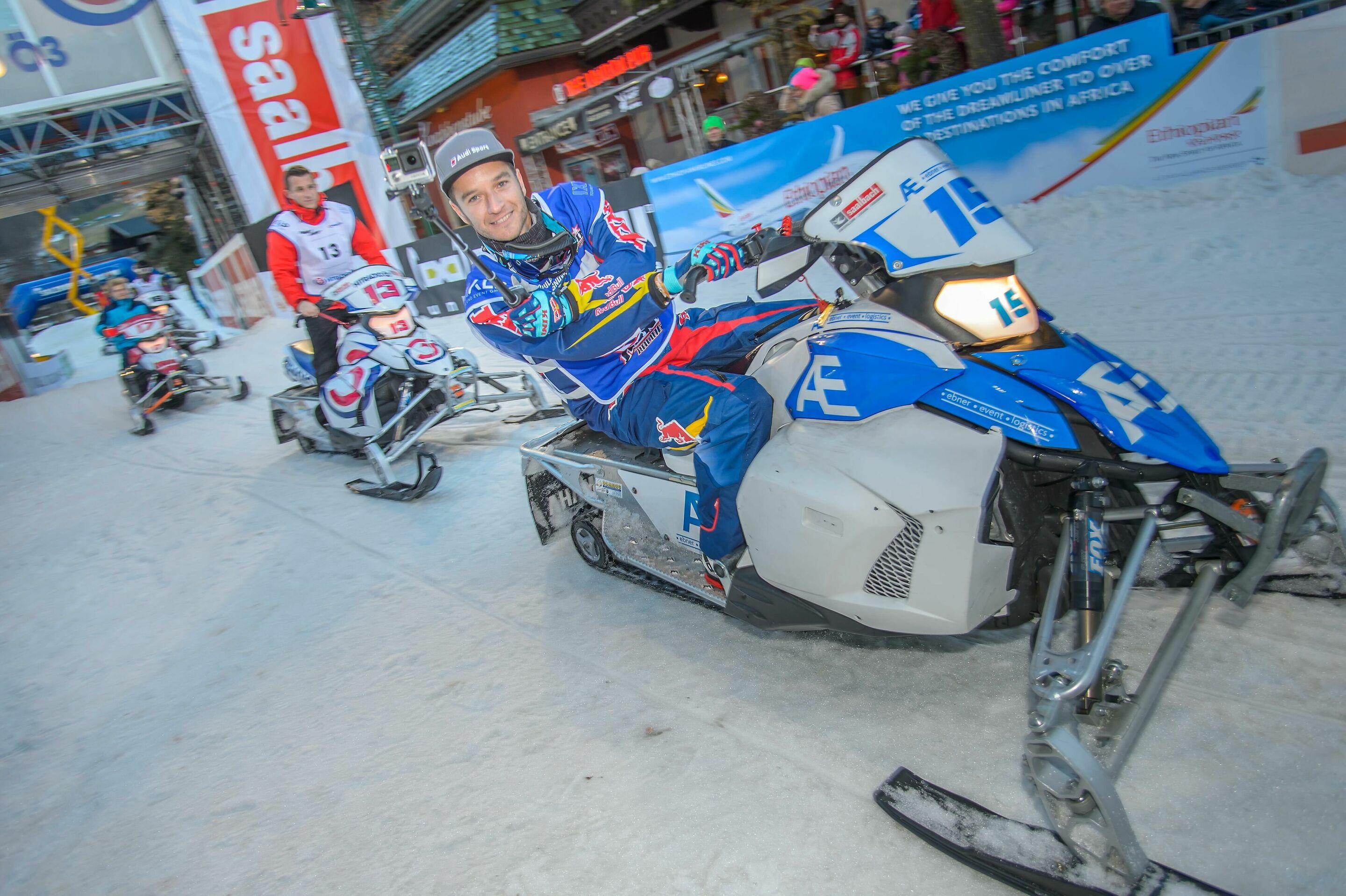
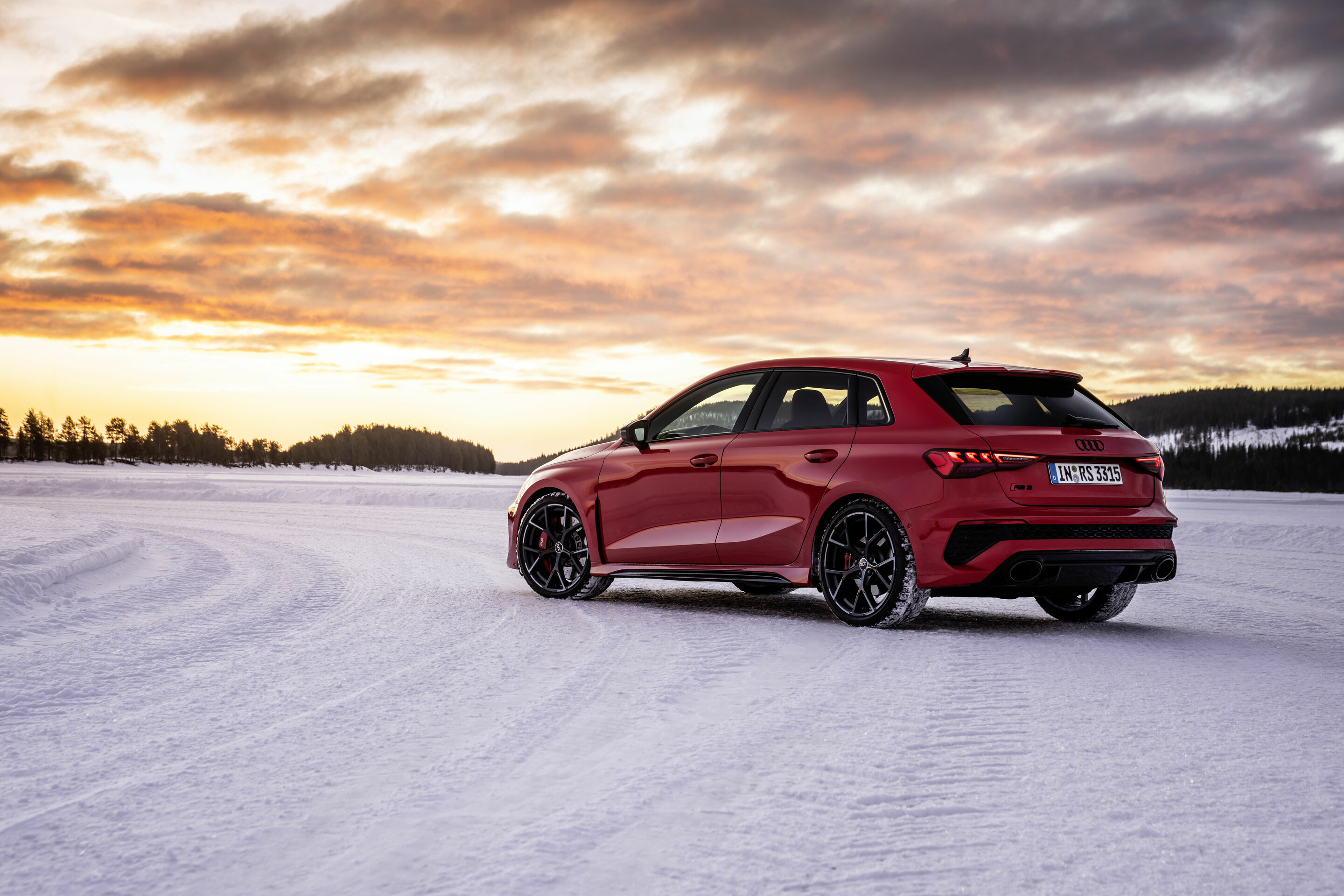
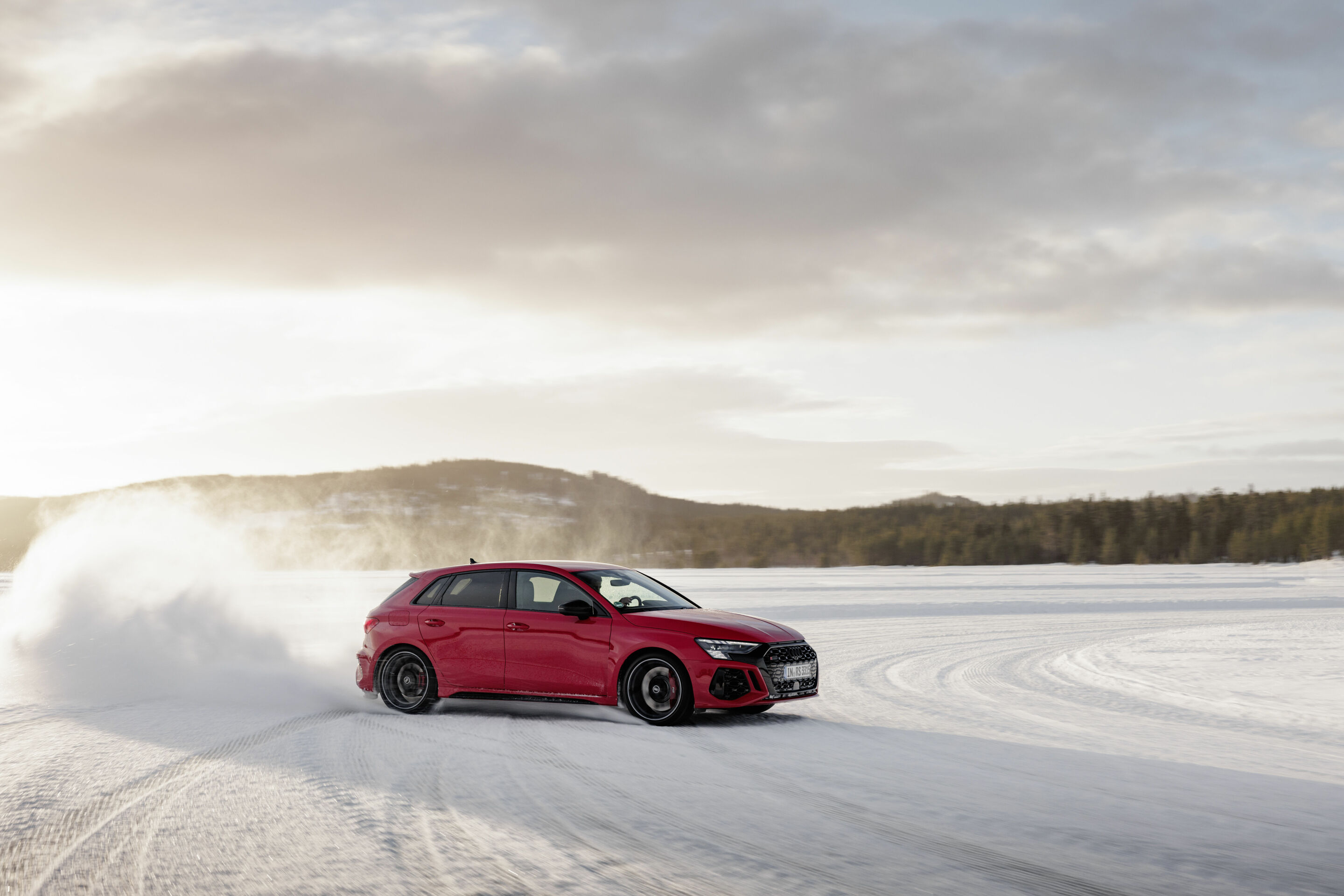
 40 years, 40 figures, 40 images: fascinating facts and tales about Audi’s quattro technology
Professional rally driver Harald Demuth mastered the snow-covered 47-meter (154.2-ft) ascent in the Audi 100 CS quattro. More than 80 percent of the roughly 20 models that Audi will present in 2020 will be launched on the market with at least one quattro variant. 92.2 percent of all cars that Audi delivered to customers in Canada in 2019 had a quattro drive. As a result, the country in North America has the highest proportion of all-wheel drive cars in the world. From 110 kW (150 PS) in the Q2 35 TDI quattro S tronic right through to 456 kW (620 PS) in the R8 V10 performance quattro supercar, Audi provides its customers with the benefits of permanent all-wheel drive throughout the entire model range. 200 PS (147 kW) is what the original quattro had at its disposal – 40 years ago, that was a value truly worthy of a sports car. At this point, the Porsche 911 SC produced just 4 PS more. Around 720 PS (530 kW) is what the five-cylinder-turbo in the Audi 90 quattro produced, which competed in the IMSA GTO series in 1989 – the 2.2-liter four-valve powerplant summoned no less than 329 PS from every liter (0.04 cu ft) of displacement. The drivers, Hurley Haywood and Hans-Joachim Stuck, won almost every second race in the North American series. Audi exploited the technical rules of the IMSA series to the full: A tubular trellis frame supported a greatly widened plastic body, while the tires were up to 360 millimeters (14.2 in) wide. Up to 973 Nm (717.6 lb-ft) of torque is produced by the three electric motors in the Audi e-tron S and Audi e-tron S Sportback. The two fully electric SUV models achieve a power output of 370 kW (507 PS) in boost mode.
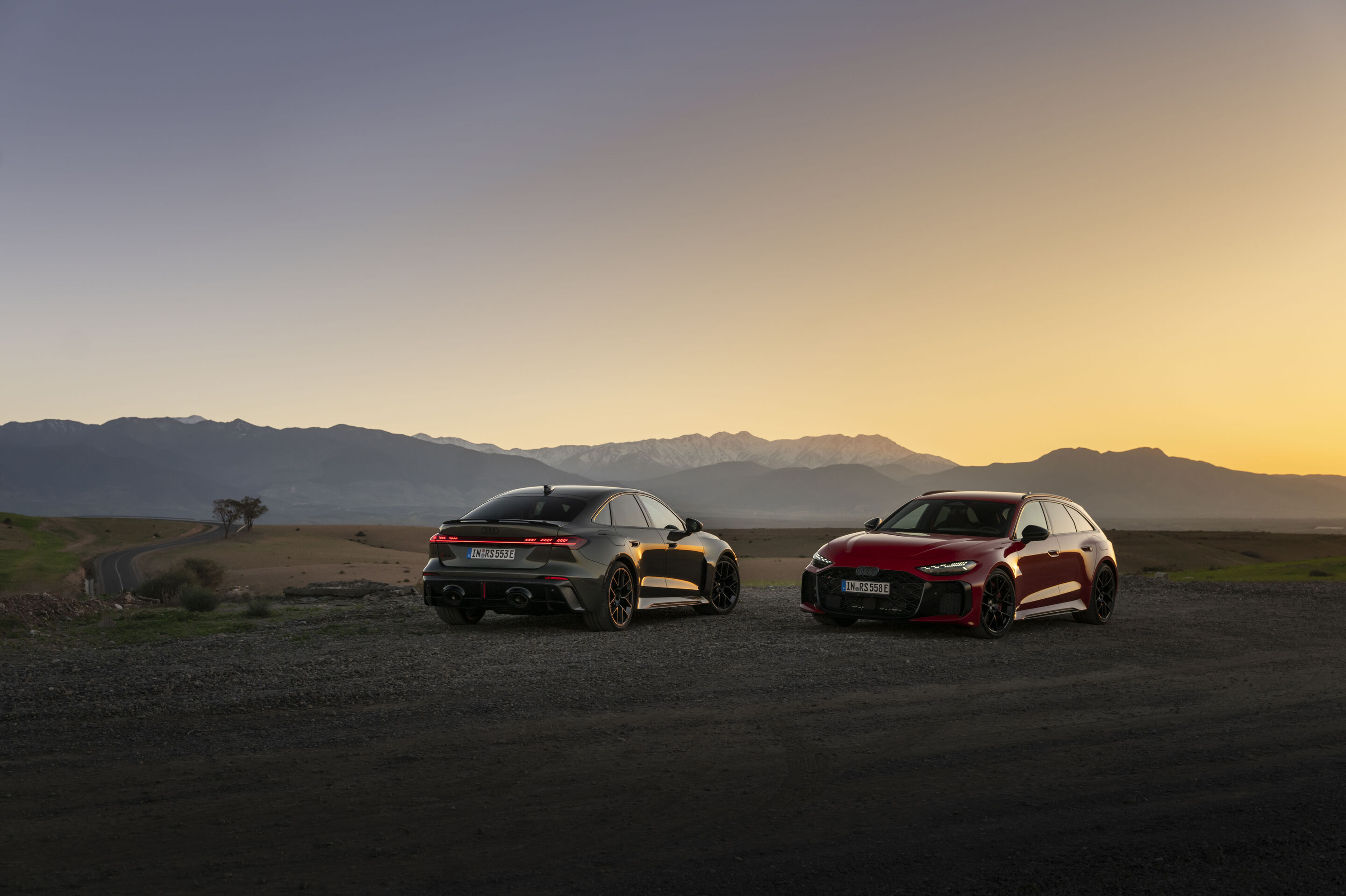
Just a few miles away, the expansive Atlas Mountains dominate the landscape – barren valleys, snow-capped peaks, and long switchback roads snaking up into the mountains. This is the setting for the new Audi RS 5 to unleash its full potential: uncompromising athleticism and precise cornering paired with genuine everyday usability. The Audi RS 5 on the track The Circuit de Marrakech was turned into a challenging course that put the RS 5 through its paces. Tight curves, slalom sections, and designated drift zones presented real and demanding driving conditions – with a clear focus on agility, precision, and cornering performance. Straight off the starting line, the RS 5 demonstrates how precisely and directly it responds to steering inputs. The torque distribution continuously adapts to the driving situation and enables nimble turns as well as a stable line at higher speeds. Even with rapid load changes, the vehicle remains poised, under control, and superbly balanced thanks to its brand-new quattro drivetrain with Dynamic Torque Control. This enables electromechanical torque vectoring at the rear axle and transfers torque between the wheels with lightning speed and precision, resulting in agile steering, maximum stability, and controlled acceleration even out of the tightest bends. For the first time, the new Audi RS 5 has a plug‑in hybrid drive.