Audi A3
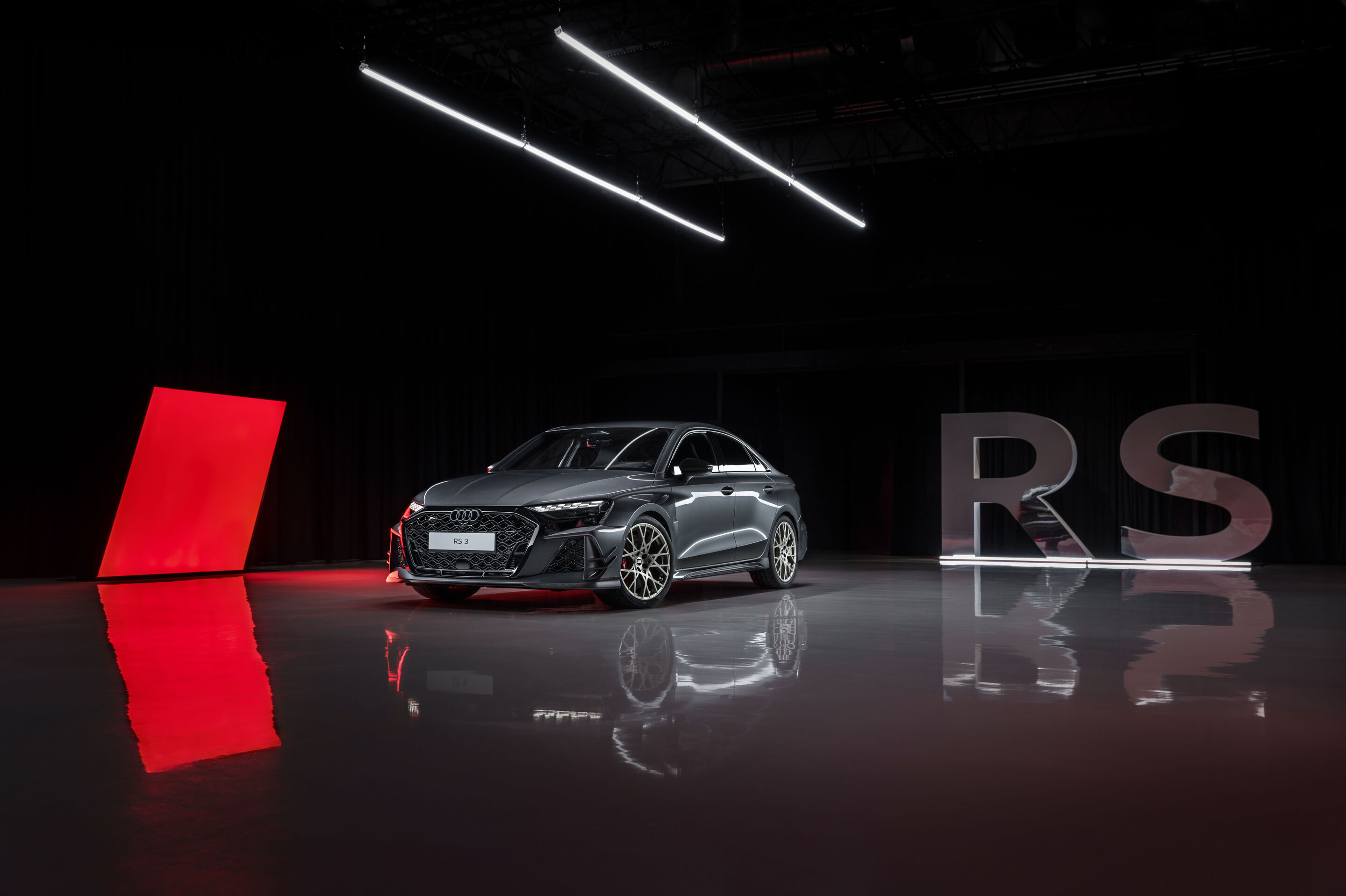
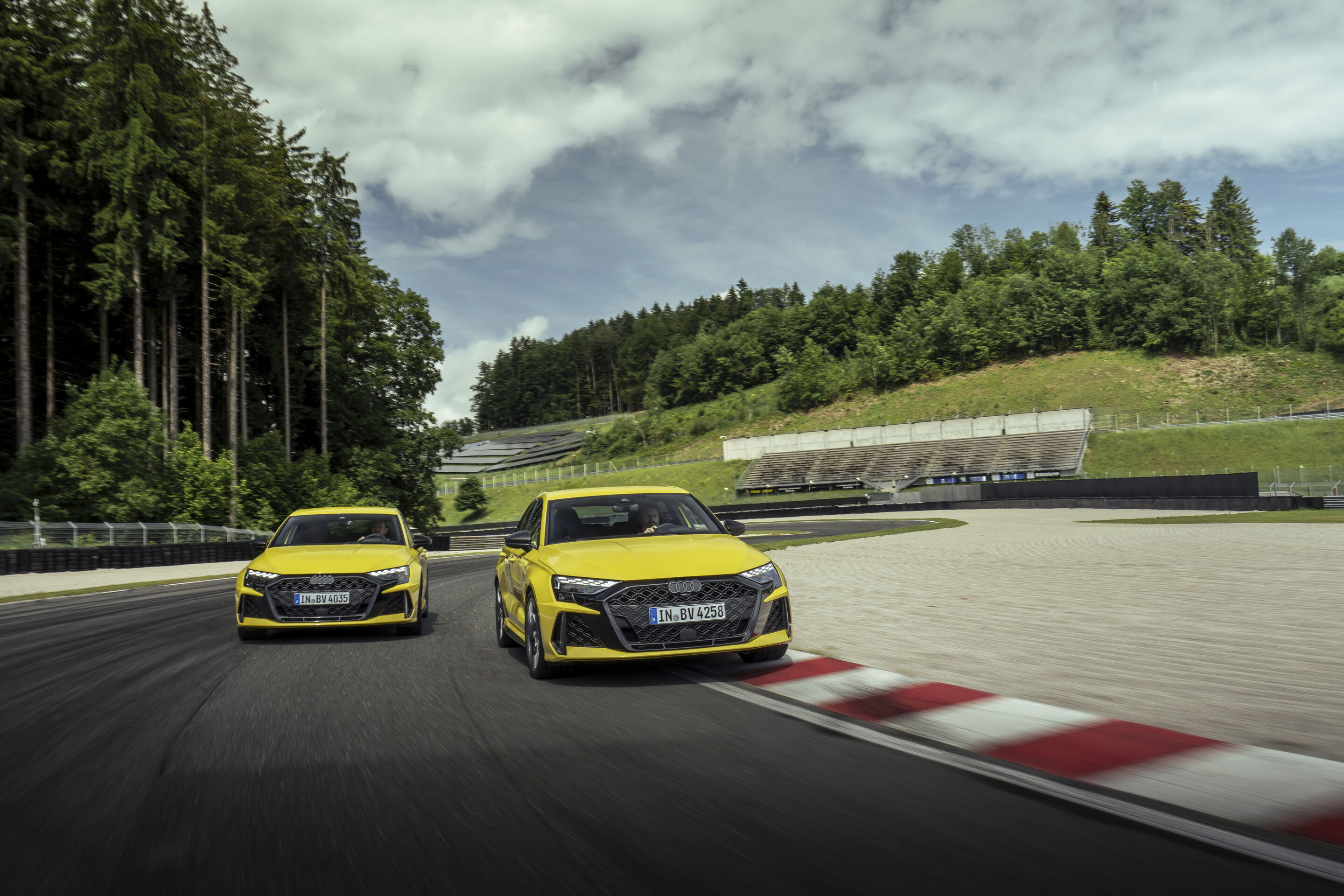
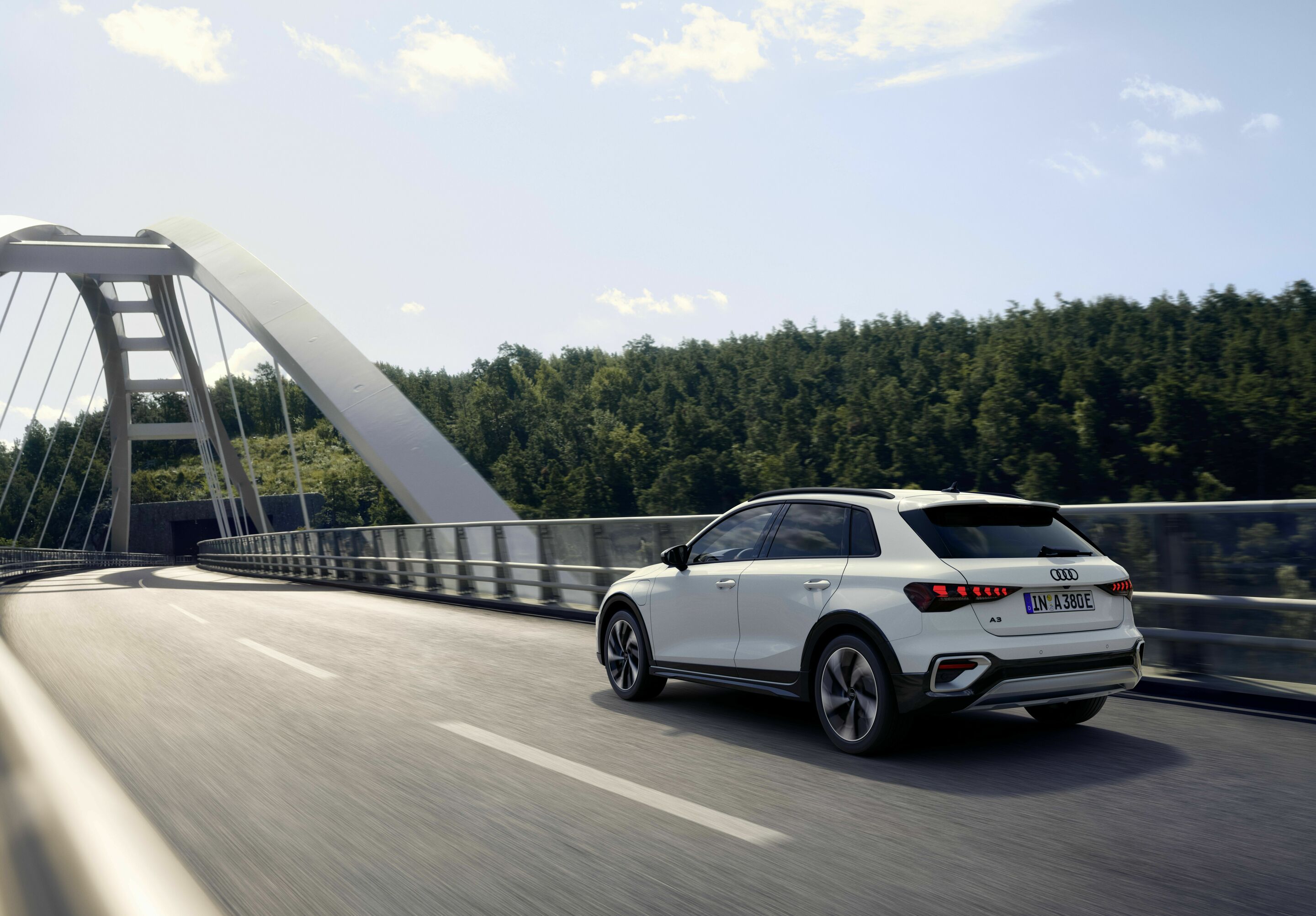
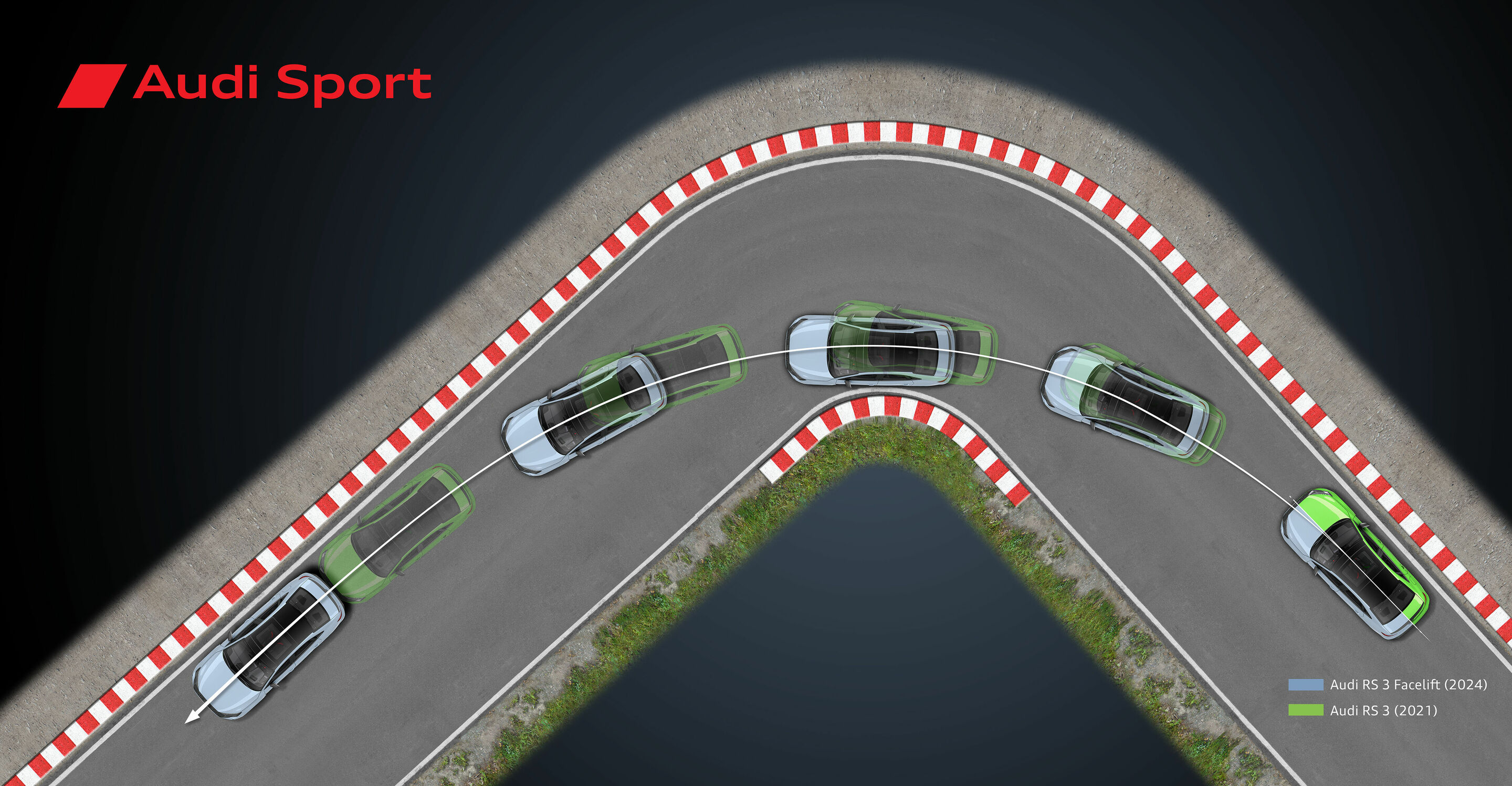
Audi established the premium compact segment with the A3 in 1996. With the 2024 upgrade, the fourth generation of this successful model is more dynamic, digital, and progressive than ever before—with a sportier look, optimized handling, and a wide range of digital offers. Significantly expanded standard equipment increases comfort, selectable daytime running light signatures and flexible subscriptions for functions on demand ensure a high degree of individualization. With a higher battery capacity, DC charging at fast-charging stations and an electric range of up to 143 kilometers (88.9 miles), the Audi A3 Sportback TFSI e combines dynamic driving performance with increased comfort. The A3 allstreet, the A3 family’s distinctive crossover, complements the portfolio. With its characteristic off-road look, three centimeters more ground clearance than the A3 Sportback and the raised seating position, it offers an SUV-like driving experience and a high level of functionality. The Audi S3 is displaying a new level of driving dynamics: Its more powerful turbocharged four-cylinder engine with 333 PS and 420 Nm combines with the torque splitter, new steering knuckles, and optimized steering for strong performance and agile handling. What’s more, the Audi RS 3, the series' five-cylinder-powered top model and pinnacle of performance is even sportier since the upgrade. Limited to 750 units, the special model Audi RS 3 competition limited demonstrates its uniqueness with exclusive features such as a coilover suspension, neodymium gold interior, and special paint in Malachite green.

A3 Sportback
Fuel consumption (combined)*: 7.3–4.4 in l/100 km; CO2 emissions (combined)*: 167–117 in g/km; CO2 classes*: E–D
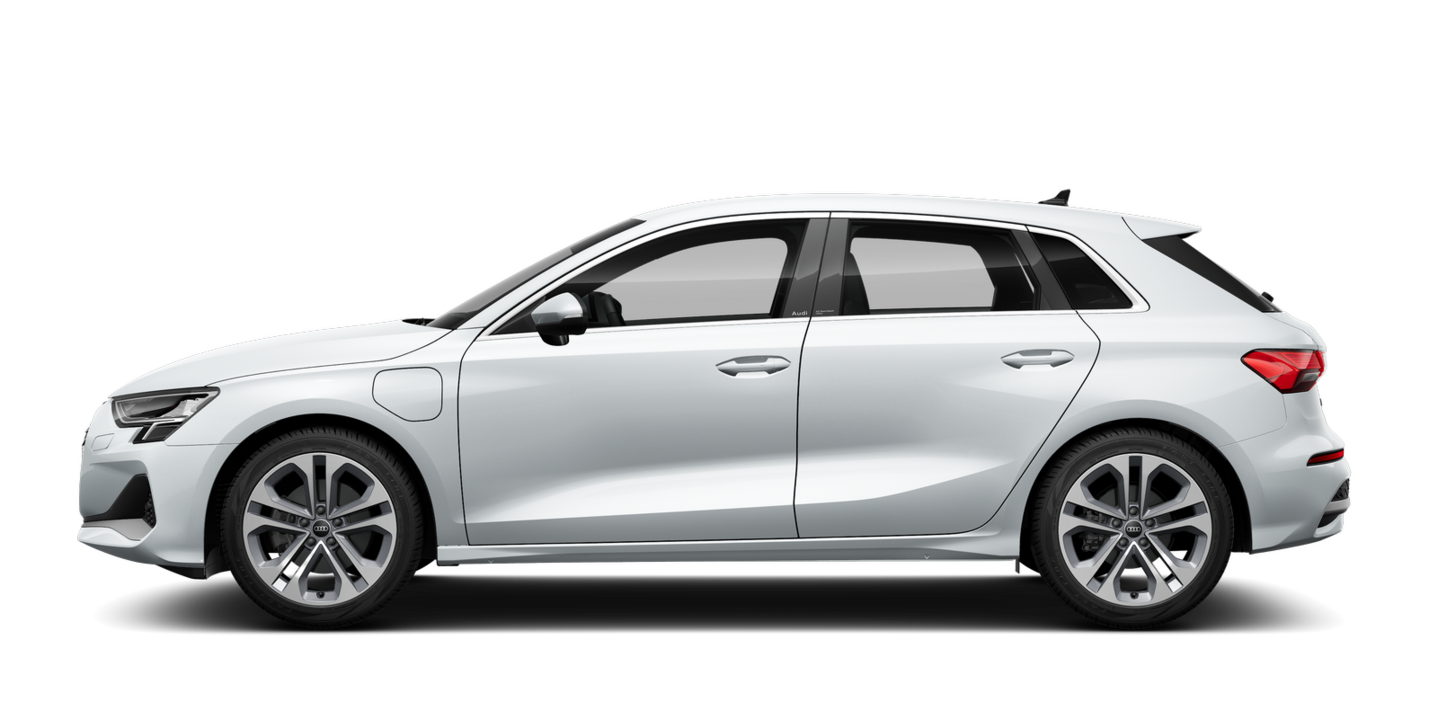
A3 Sportback TFSI e
Fuel consumption (weighted, combined)*: 1.5–1.1 l/100 km; power consumption (weighted, combined)*: 13.2–12.1 kWh/100 km; CO2 emissions (weighted, combined)*: 33–25 g/km; CO2 class (weighted, combined)*: B; fuel consumption on discharged battery (combined)*: 5.4–4.9 l/100 km; CO2 classes on discharged battery*: E–D

A3 Sedan
Fuel consumption (combined)*: 7.2–4.4 in l/100 km; CO2 emissions (combined)*: 163–115 in g/km; CO2 classes*: E–C

A3 allstreet
Fuel consumption (combined)*: 7.3–5.0 in l/100 km; CO2 emissions (combined)*: 167–122 in g/km; CO2 classes*: E–D
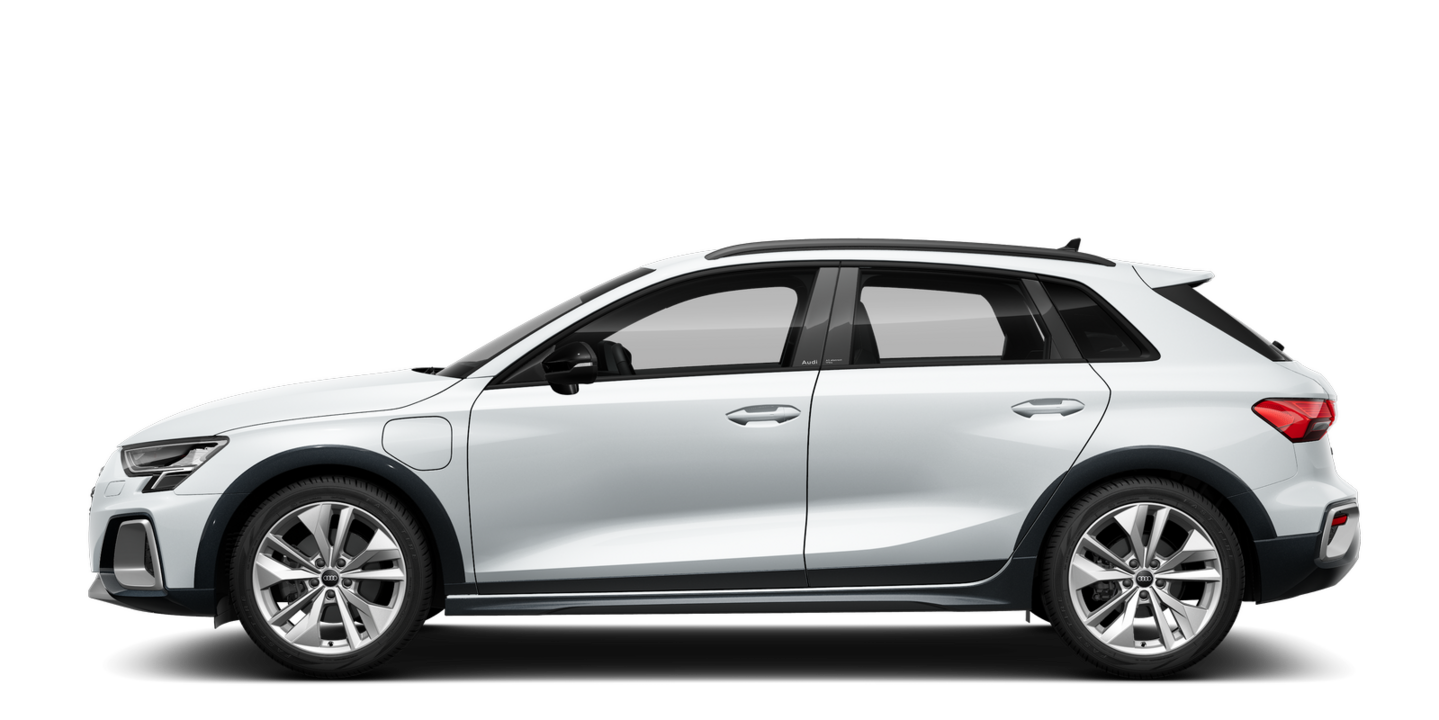
A3 allstreet TFSI e
Fuel consumption (weighted, combined)*: 1.4–1.2 l/100 km; power consumption (weighted, combined)*: 16.0–15.0 kWh/100 km; CO2 emissions (weighted, combined)*: 31–26 g/km; CO2 class (weighted, combined)*: B; fuel consumption on discharged battery (combined)*: 5.3–5.0 l/100 km; CO2 classes on discharged battery*: E–D

S3 Sportback
Fuel consumption (combined)*: 8.5–8.3 in l/100 km; CO2 emissions (combined)*: 193–188 in g/km; CO2 class*: G

S3 Sedan
Fuel consumption (combined)*: 8.2–8.0 in l/100 km; CO2 emissions (combined)*: 186–181 in g/km; CO2 class*: G

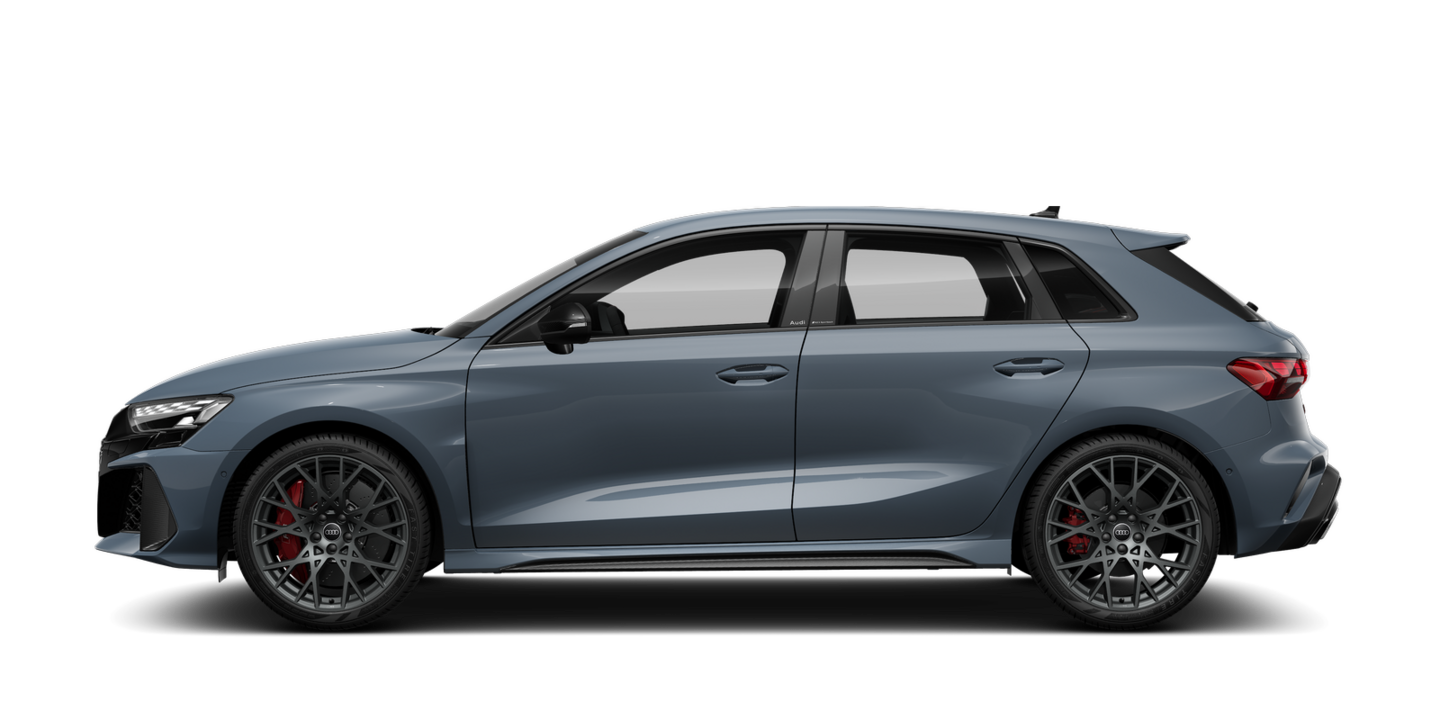
RS 3 Sportback
Fuel consumption (combined)*: 9.4–9.3 in l/100 km; CO2 emissions (combined)*: 217–211 in g/km; CO2 class*: G
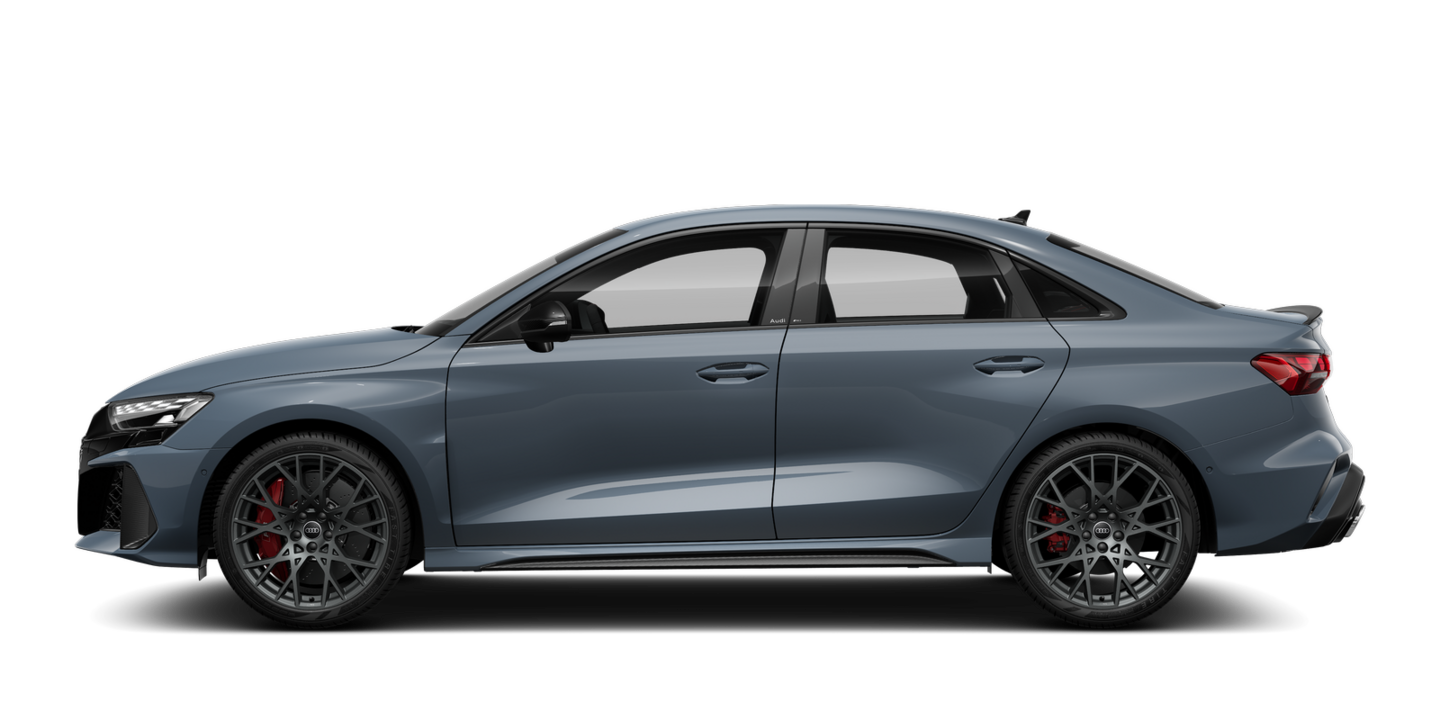
RS 3 Sedan
Fuel consumption (combined)*: 9.4–9.1 in l/100 km; CO2 emissions (combined)*: 213–207 in g/km; CO2 class*: G
BasicInfo
-
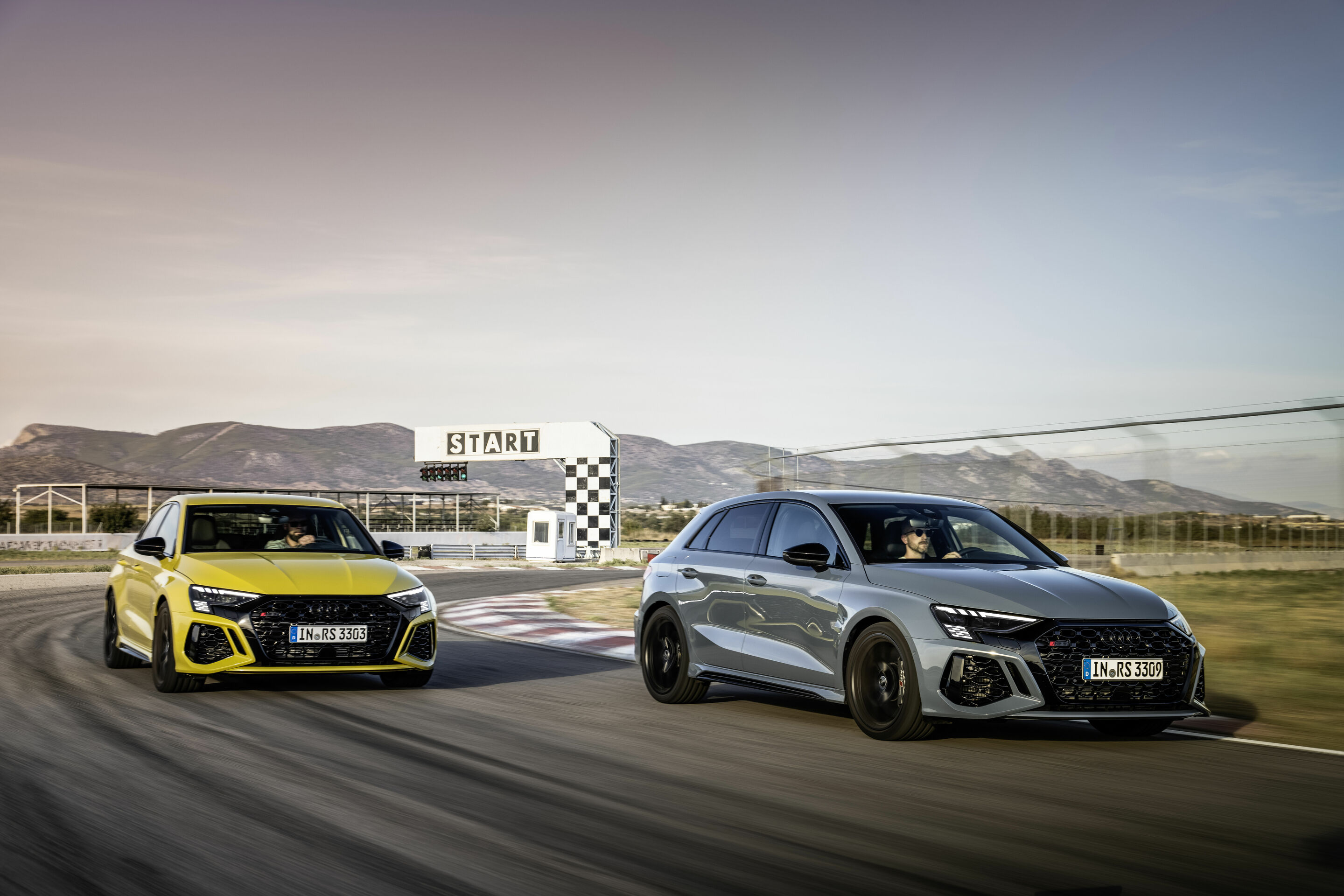
High-performance redefined: Audi RS 3 Sportback and RS 3 Sedan (2021)
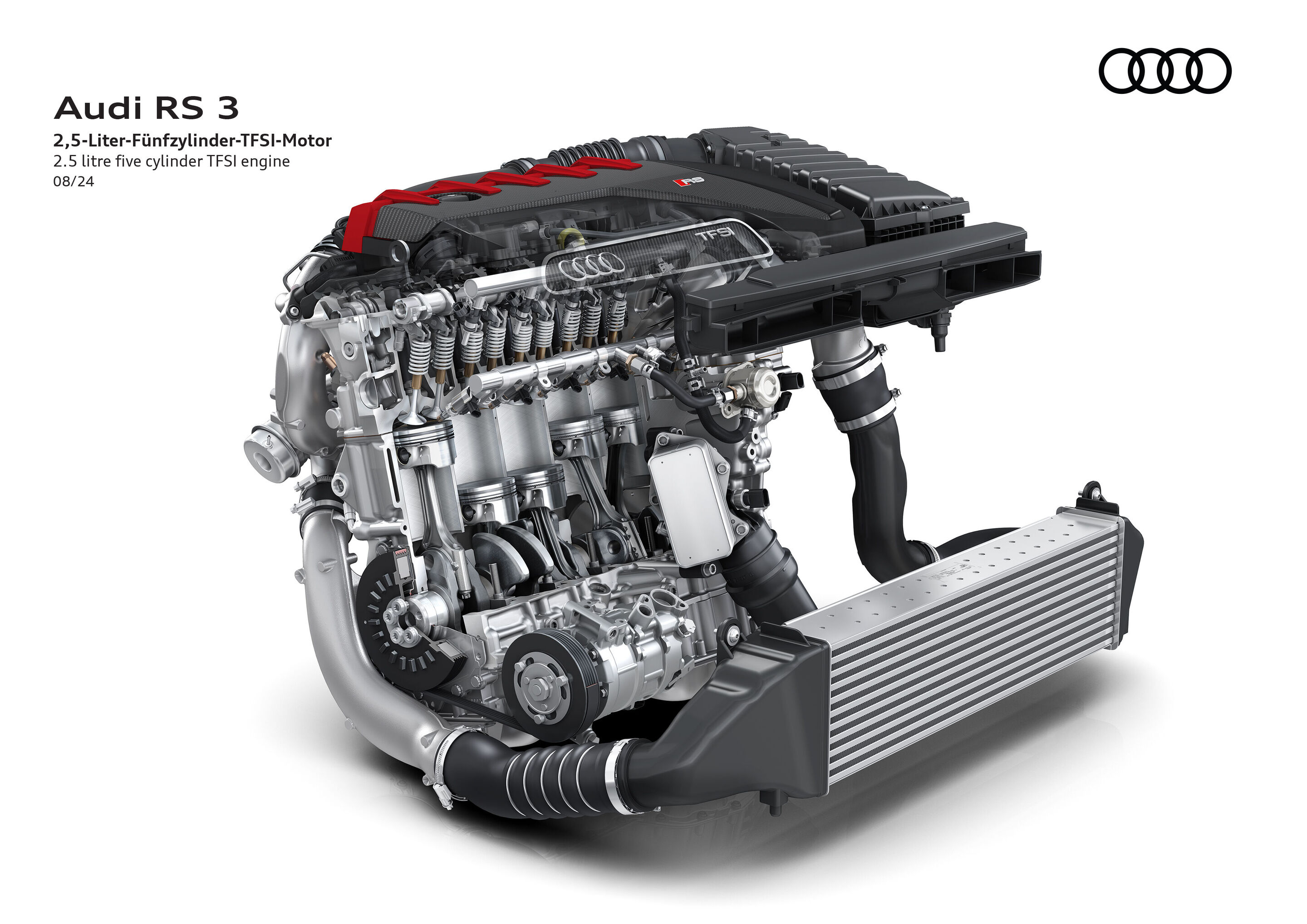
Audi has made the already legendary five-cylinder even better. The result is greater torque, greater pull, greater top speed. And the whole thing topped off with an unmistakable sound. These are the features that power the latest generations of the Audi RS 3 Sportback and RS 3 Sedan to the top of the compact segment. The torque splitter, used for the first time in an Audi, also plays a part in this, providing greater lateral dynamics and stability. The more expressive design combined with RS-specific controls turns the latest RS 3 models into premium sports cars suitable for everyday use.
Press kit
-
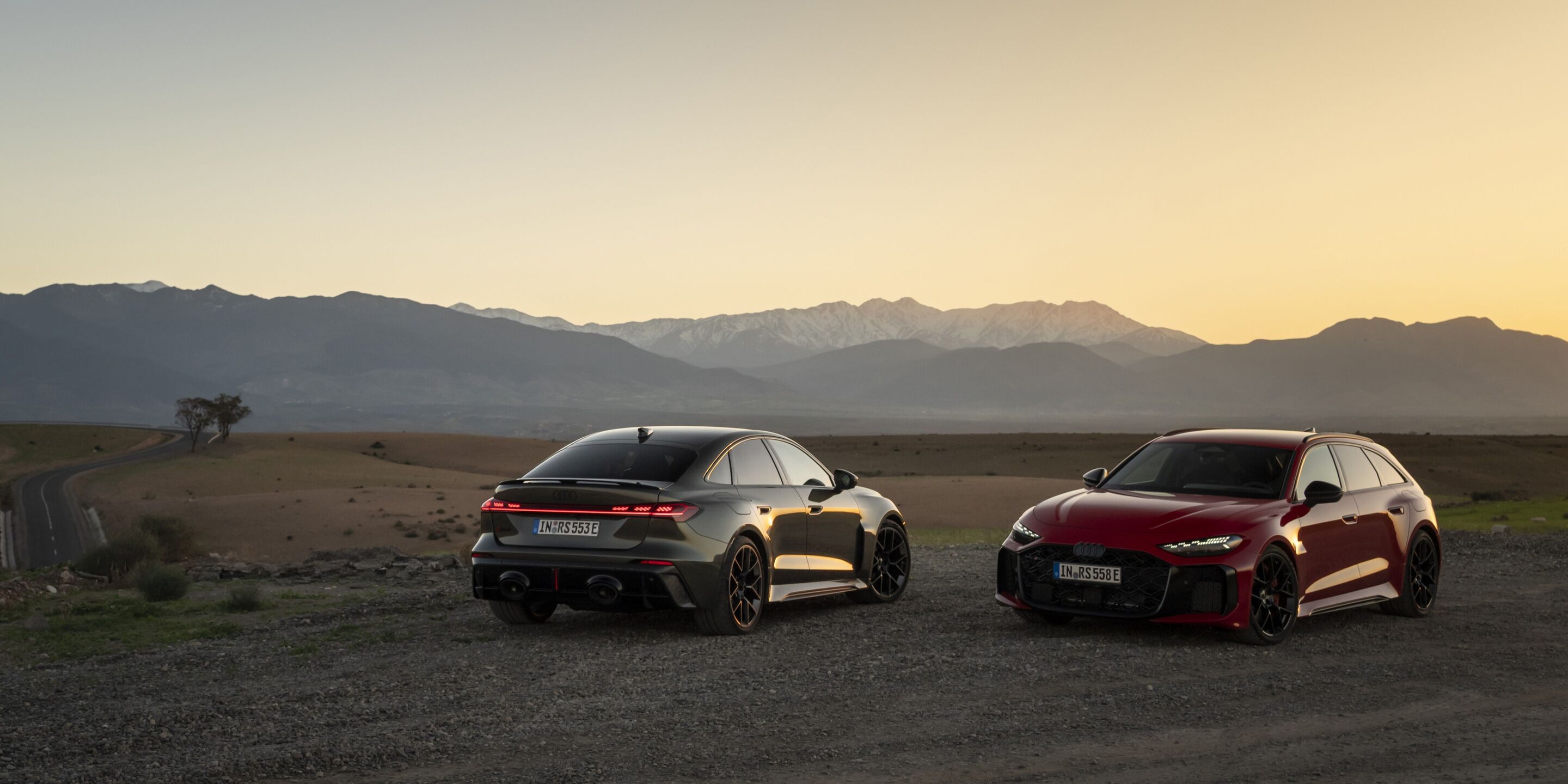
Maximum flexibility: Audi’s plug-in hybrids
In addition to fully electric vehicles, Audi is also focusing on plug-in hybrids. The new e-hybrid models combine electric efficiency with traditional combustion-engine technology. This makes them especially versatile and well-suited for everyday use. Short distances can be covered locally with zero emissions and near-silent electric driving, while the combustion engine ensures range and convenience on longer trips. The intelligent and efficient mix of drive types enables a sporty yet comfortable driving experience.