Audi A5
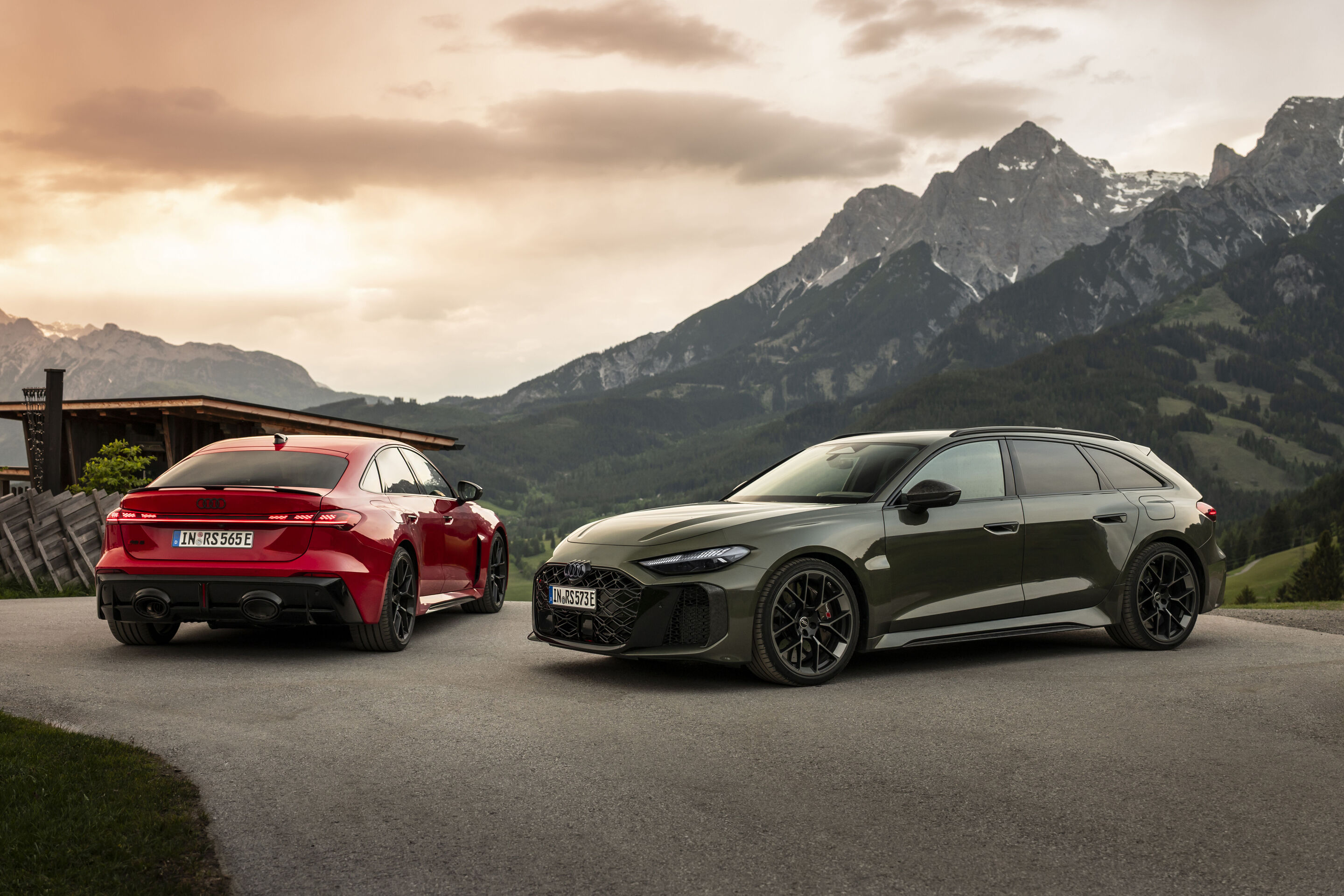
With the Audi A5, Audi is continuing its history of success in the mid-size segment: thirty years after the first Audi A4, the latest generation is now called the Audi A5. Both body variants, Sedan and Avant, perfectly embody the sporty essence of the Audi design philosophy. Efficient, partially electrified combustion engines with MHEV plus systems and emotional S models distinguish the Audi A5 family. The latest generation of the Audi A5 has two new family members: the first plug-in hybrids for the A5 model series, the Audi A5 Avant e-hybrid quattro and the Audi A5 Sedan e-hybrid quattro, enable up to 110 kilometers of purely electric driving.
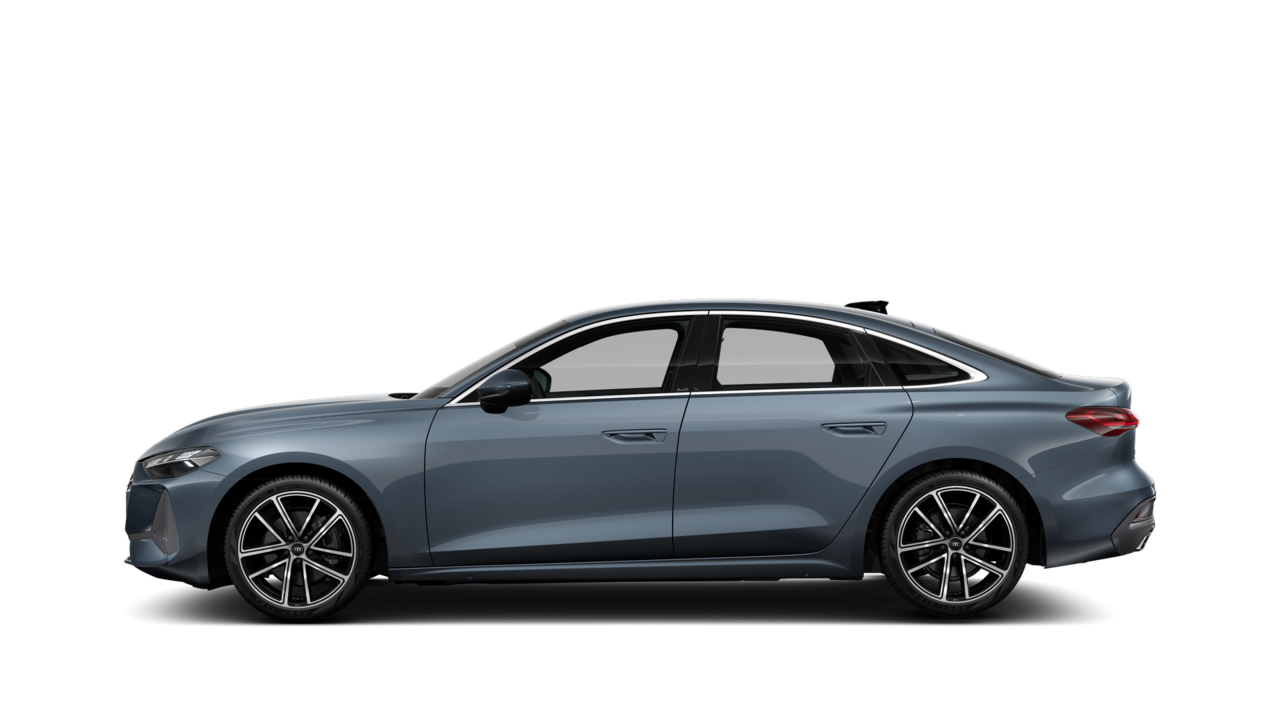
A5 Sedan
Fuel consumption (combined)*: 7.8-4.7 in l/100 km; CO2 emissions (combined)*: 177-124 in g/km; CO2 classes*: G-D
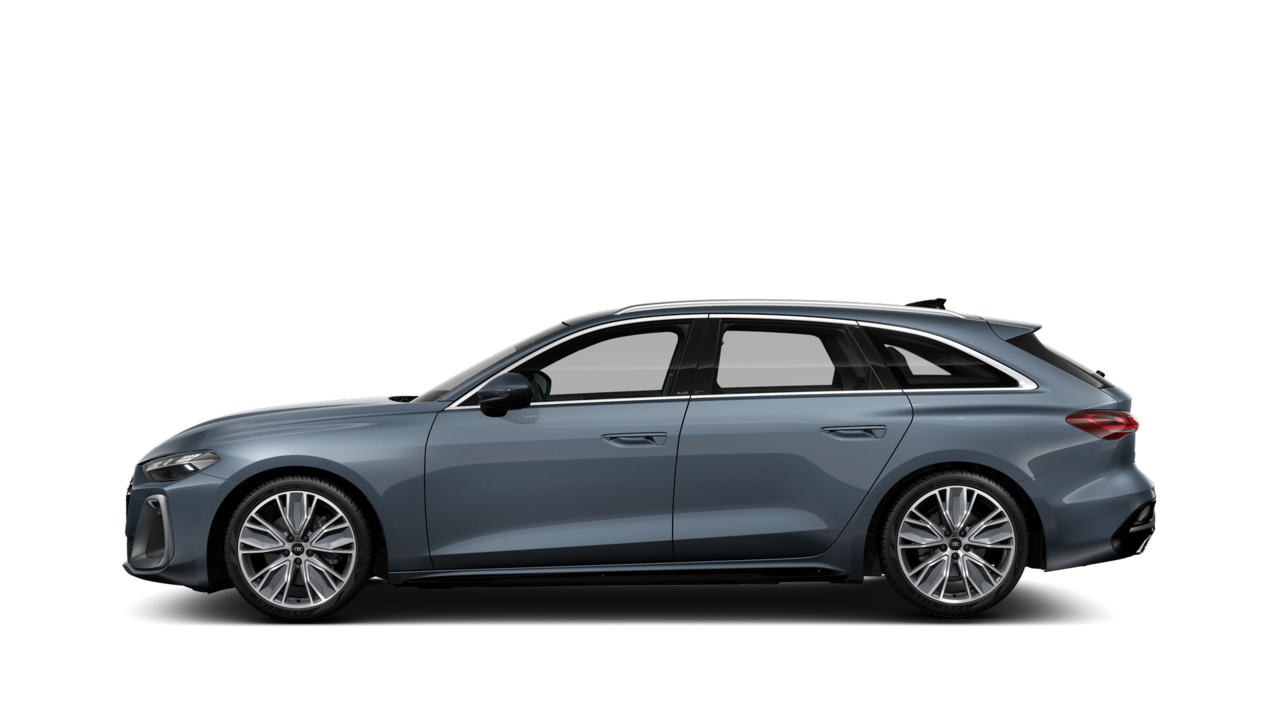
A5 Avant
Fuel consumption (combined)*: 8.0–4.9 in l/100 km; CO2 emissions (combined)*: 182-127 in g/km; CO2 classes*: G-D
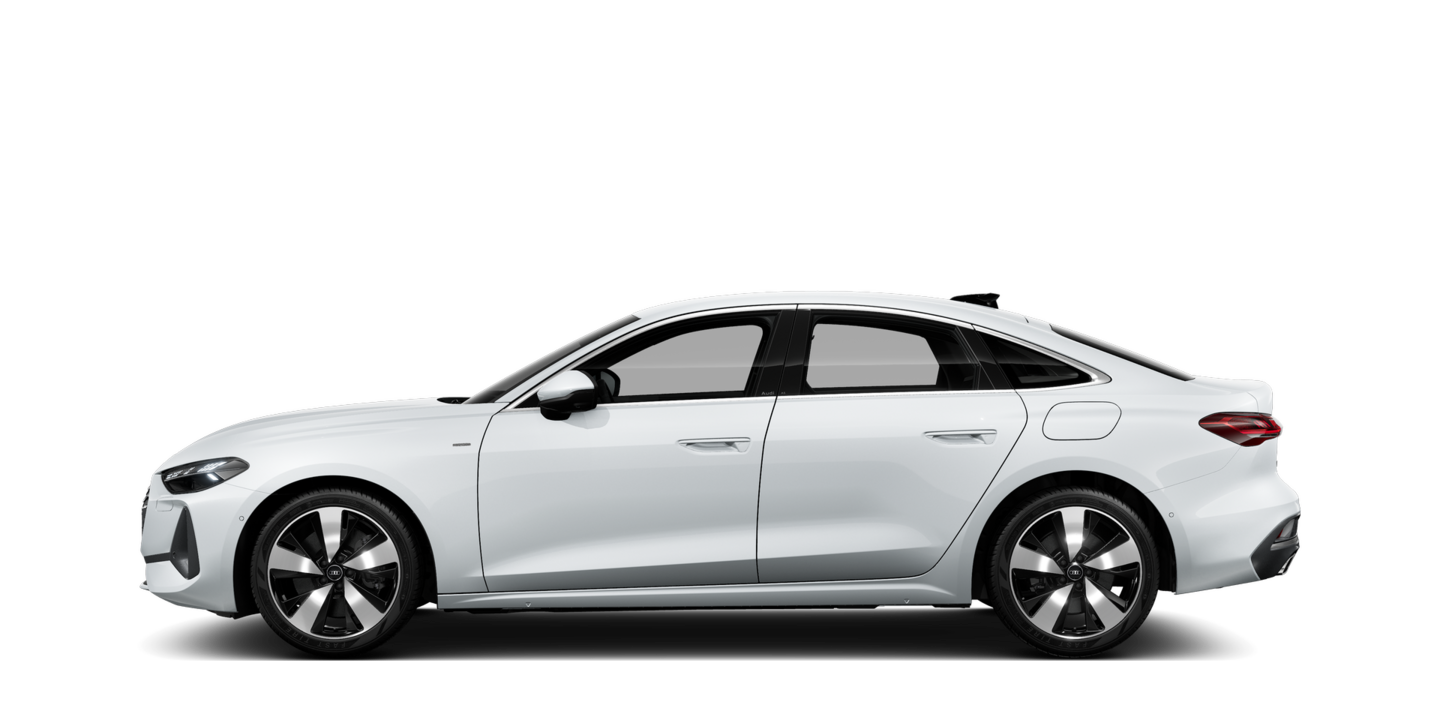
Audi A5 Sedan e-hybrid quattro
Fuel consumption (weighted, combined)*: 2.6-2.0 l/100 km; power consumption (weighted, combined)*: 15.7-14.9 kWh/100 km; CO2 emissions (weighted, combined)*: 60-45 g/km; CO2 class (weighted, combined)*: B; Fuel consumption on discharged battery (combined)*: 7.3-6.4 l/100 km; CO2 class on discharged battery*: F-E
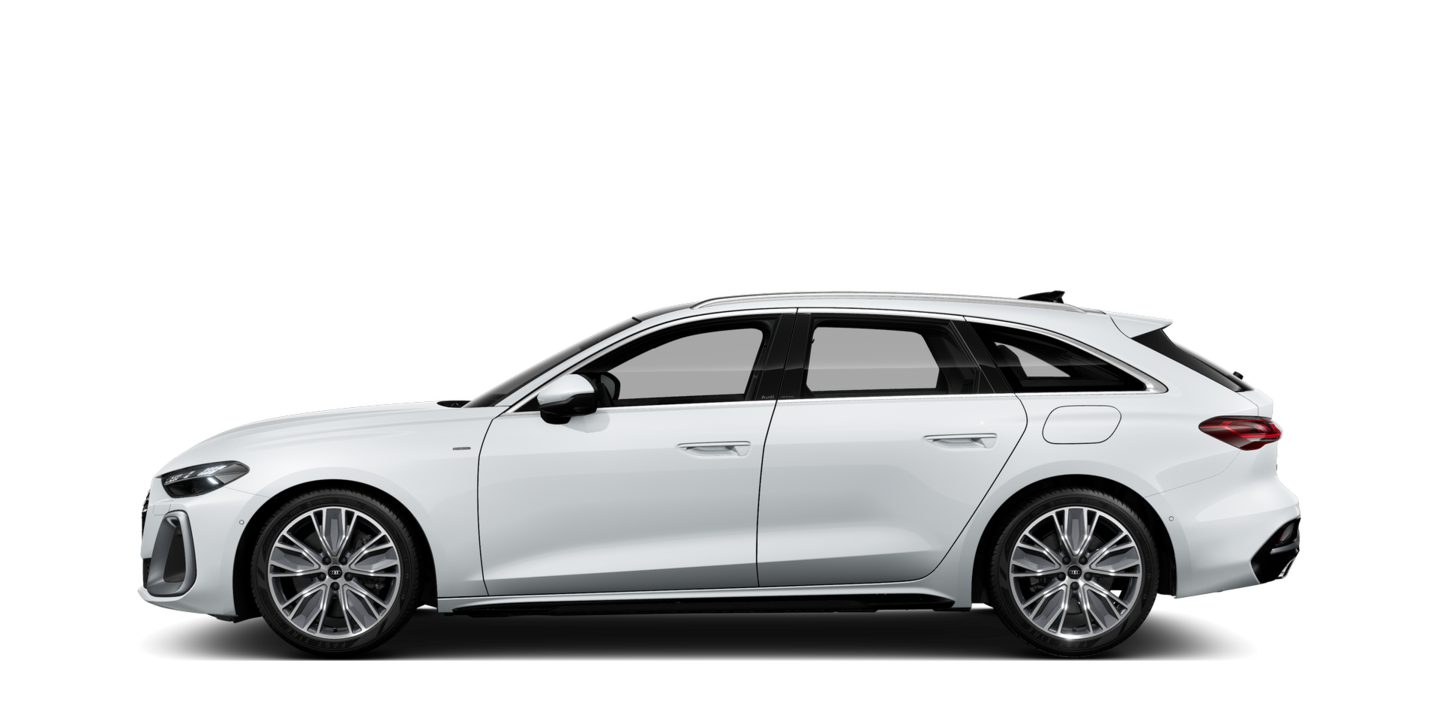
A5 Avant e-hybrid quattro
Fuel consumption (weighted, combined)*: 2.7-2.1 l/100 km; power consumption (weighted, combined)*: 16.0-15.1 kWh/100 km; CO2 emissions (weighted, combined)*: 62-47 g/km; CO2 class (weighted, combined)*: B; Fuel consumption on discharged battery (combined)*: 7.5-6.5 l/100 km; CO2 class on discharged battery*: F-E
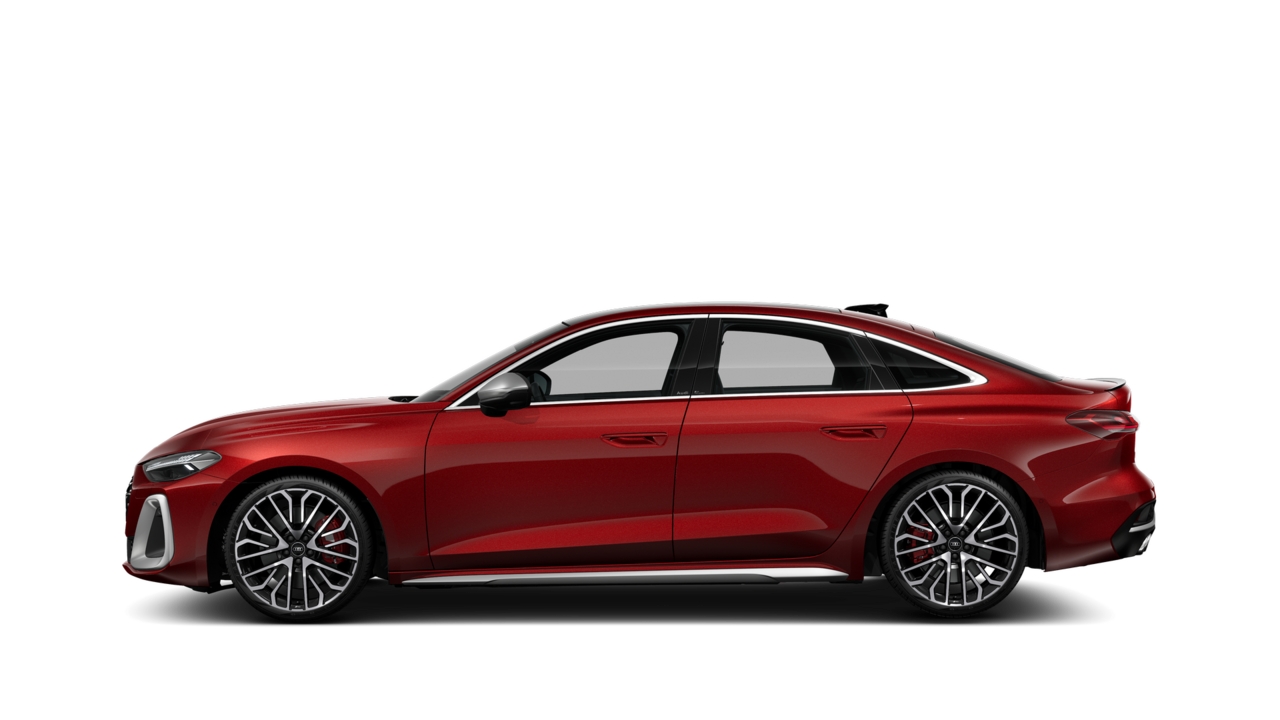
S5 Sedan
Fuel consumption (combined)*: 7.8–7.5 in l/100 km; CO2 emissions (combined)*: 178–169 in g/km; CO2 class*: G-F
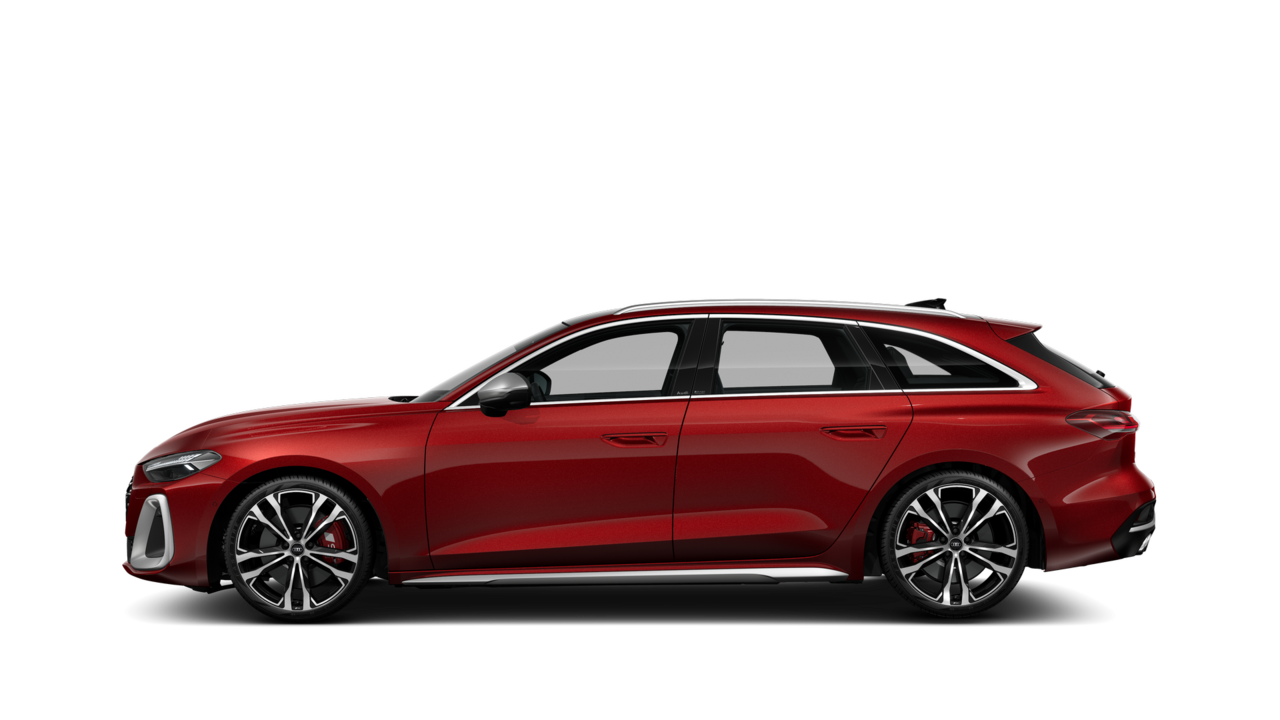
S5 Avant
Fuel consumption (combined)*: 8.1–7.6 in l/100 km; CO2 emissions (combined)*: 184–172 in g/km; CO2 classes*: G–F

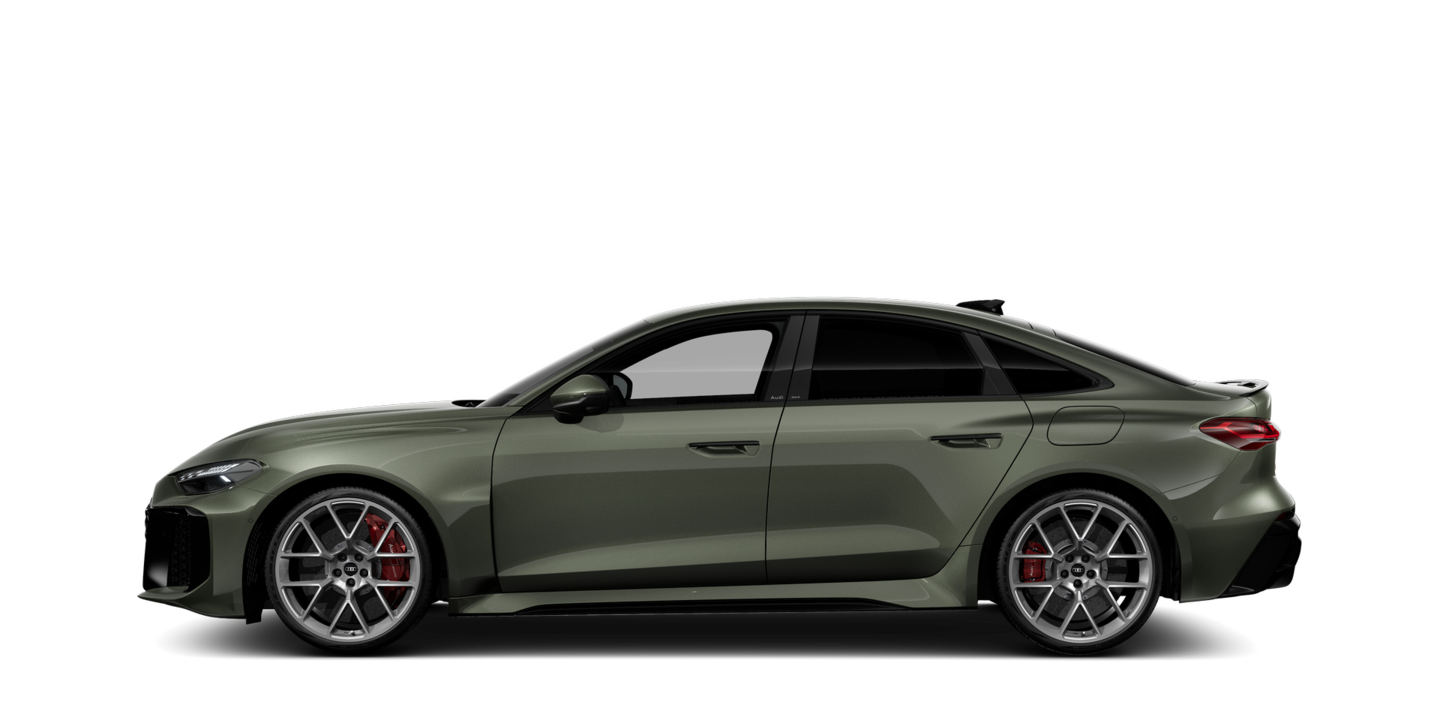
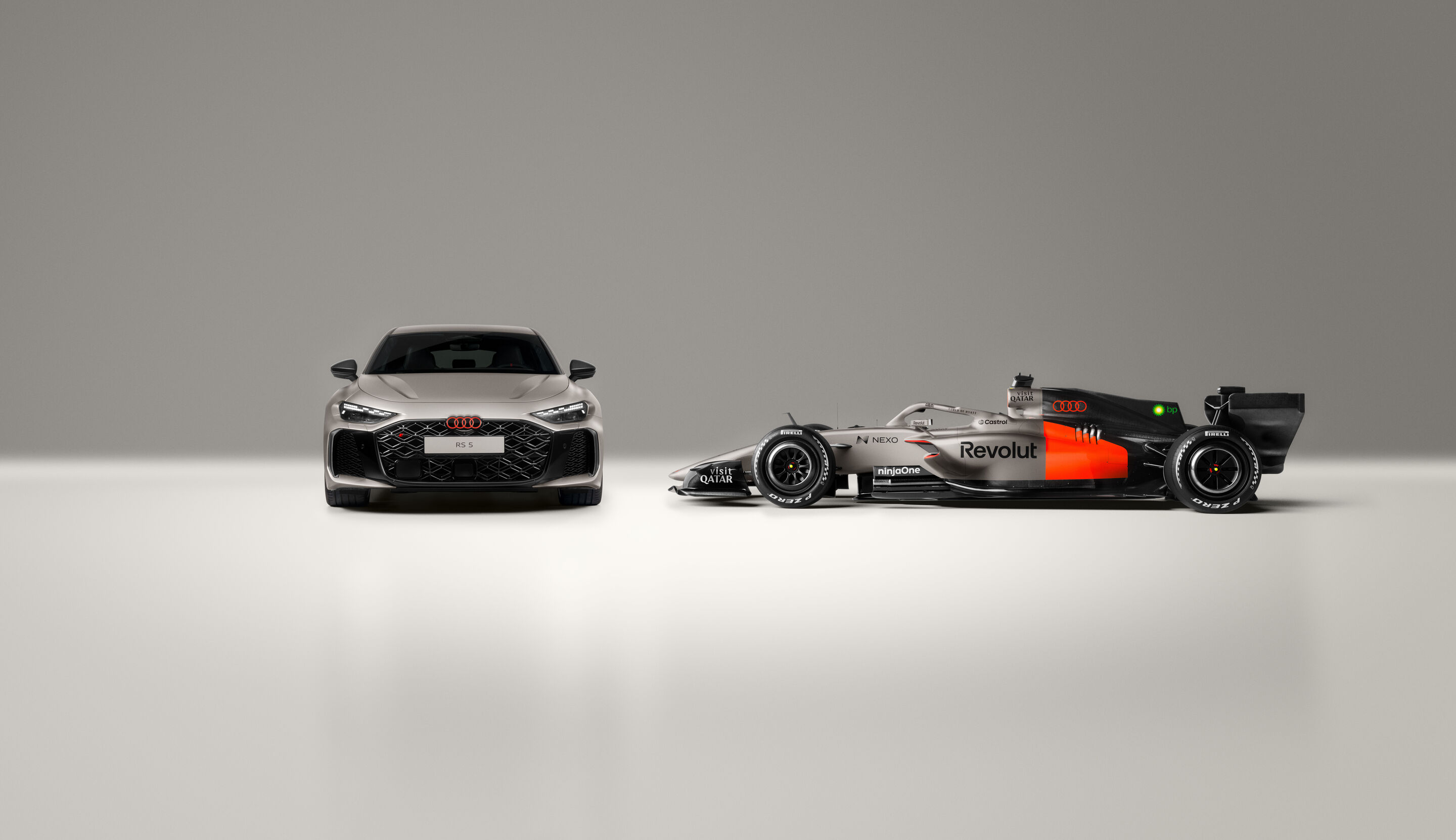
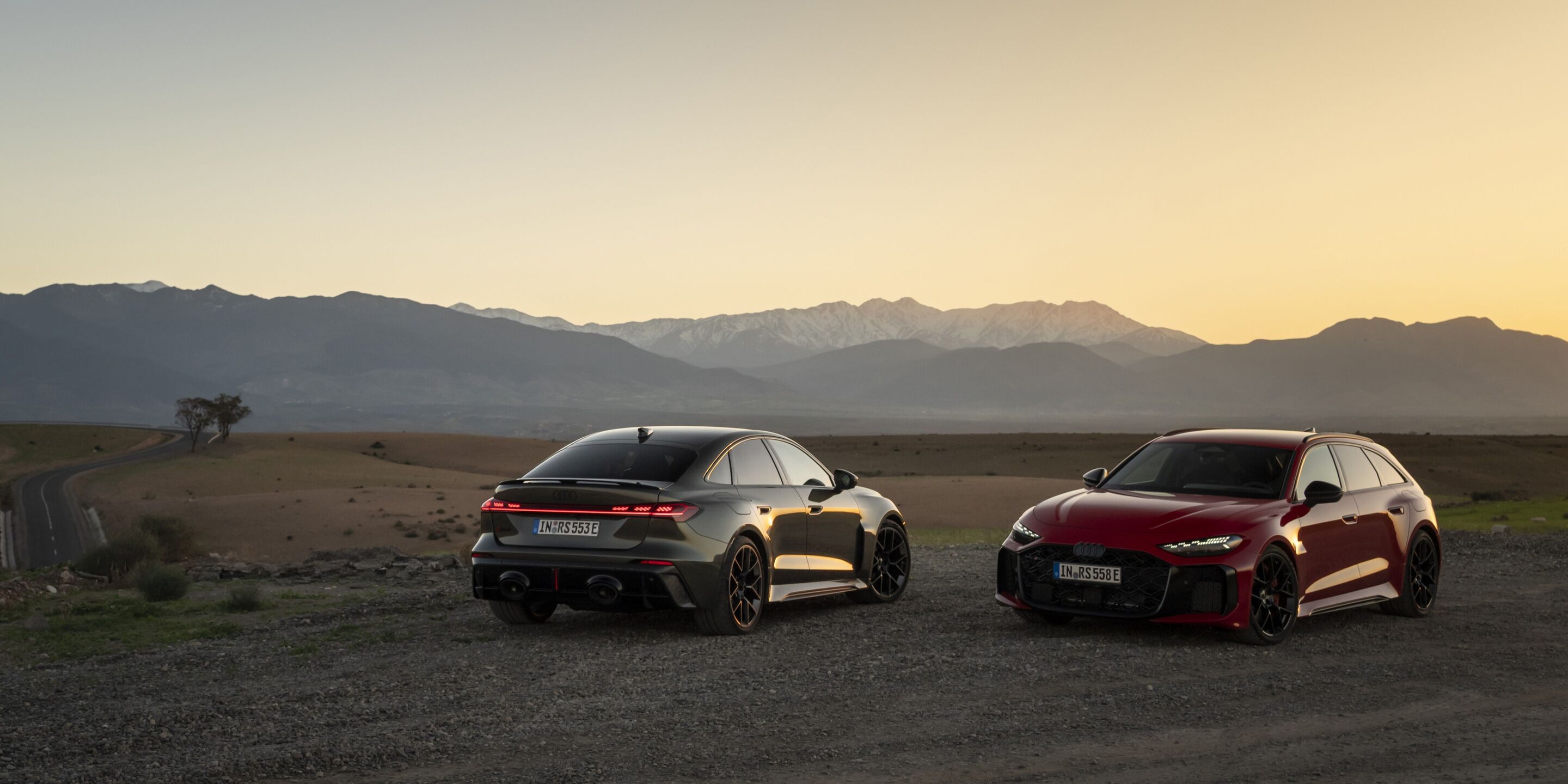
RS 5 Sedan
Fuel consumption (weighted, combined): 4.3-3.8 l/100 km (54.7-61.9 US mpg); power consumption (weighted, combined): 18.4-17.7 kWh/100 km; CO2 emissions (weighted, combined): 98-86 g/km (157.7-138.4 g/mi); CO2 class (weighted, combined): C-B; Fuel consumption on discharged battery (combined): 10.0-9.5 l/100 km (23.5-24.8 US mpg); CO2 class on discharged battery: G
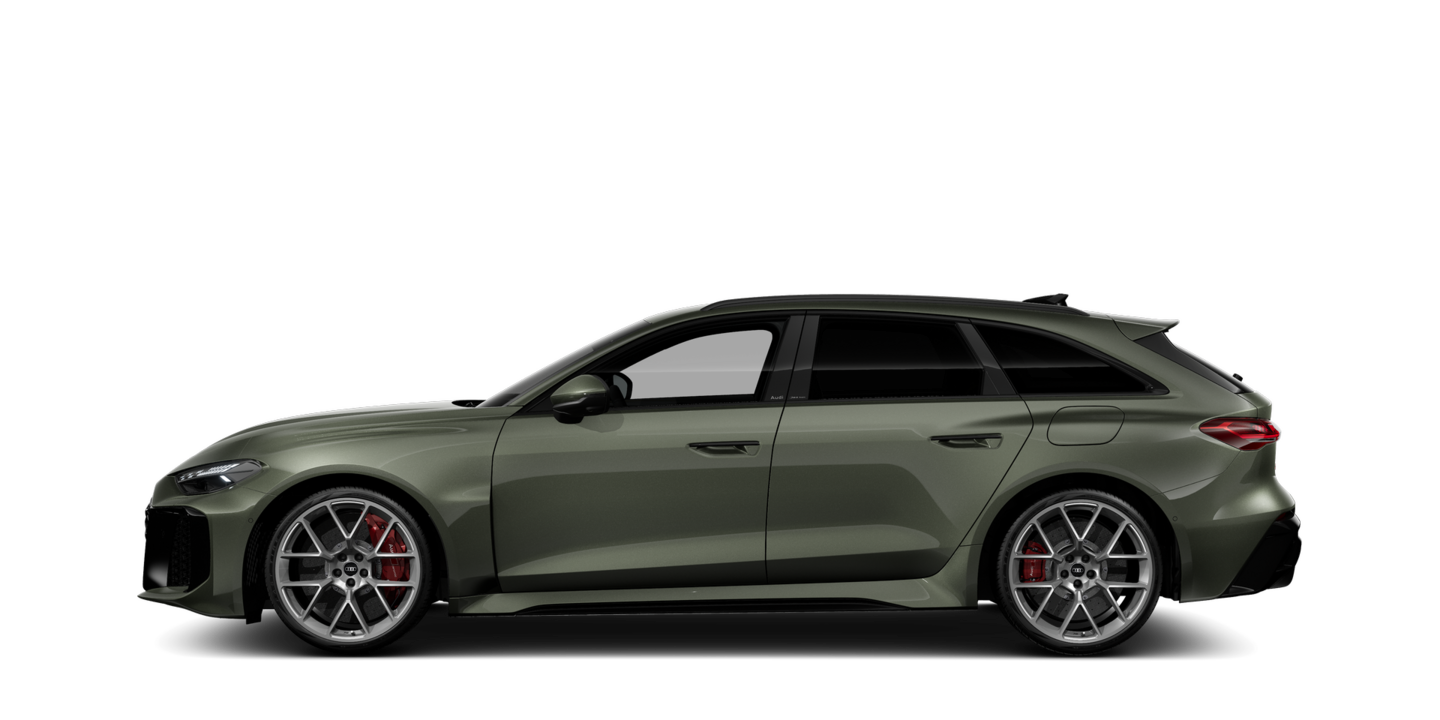
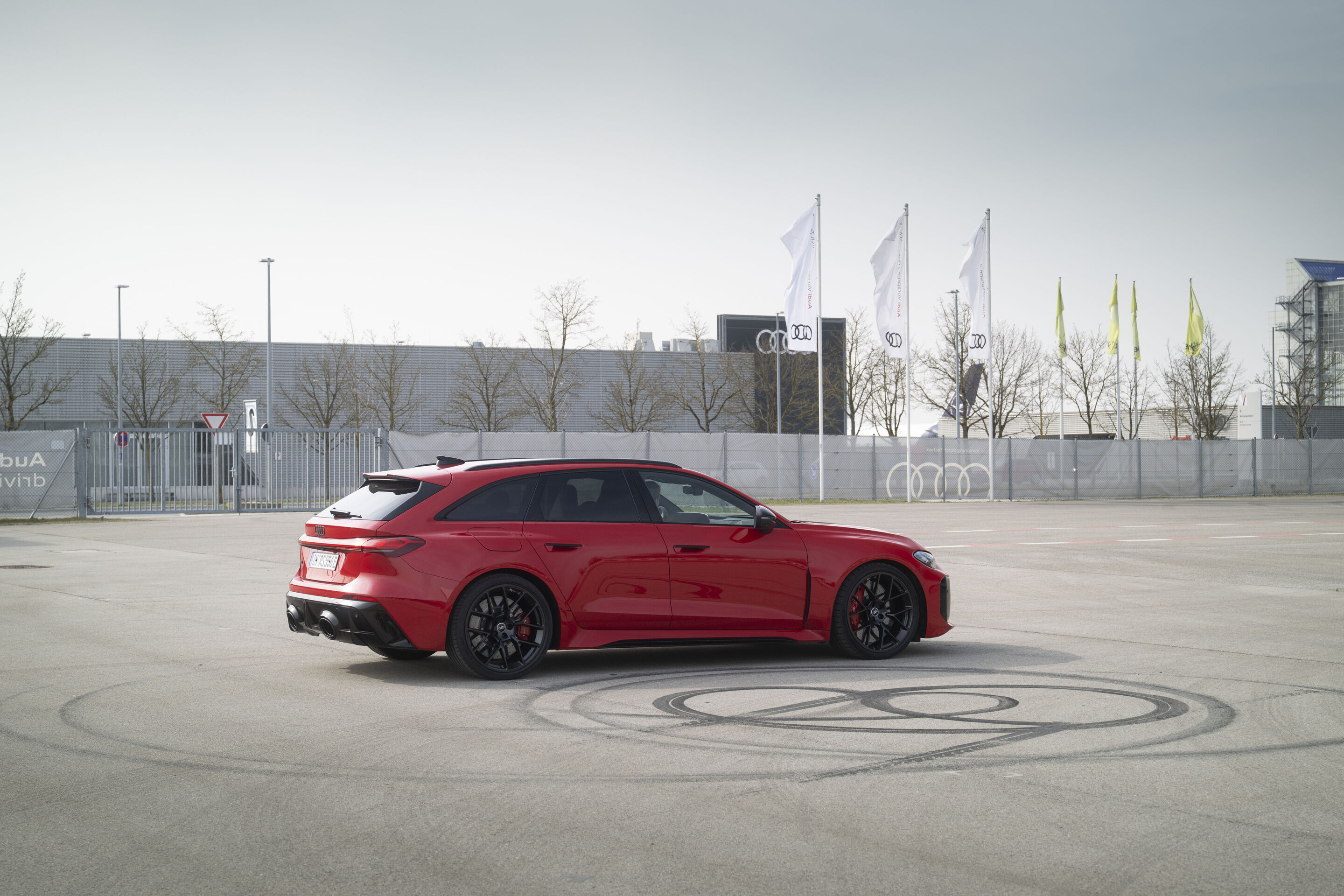
RS 5 Avant
Fuel consumption (weighted, combined): 4.5-3.9 l/100 km (53.5-60.3 US mpg); power consumption (weighted, combined): 18.7-17.8 kWh/100 km; CO2 emissions (weighted, combined): 102-88 g/km; CO2 class (weighted, combined): C-B; Fuel consumption on discharged battery (combined): 10.2-9.6 l/100 km; CO2 class on discharged battery: G
BasicInfo
-
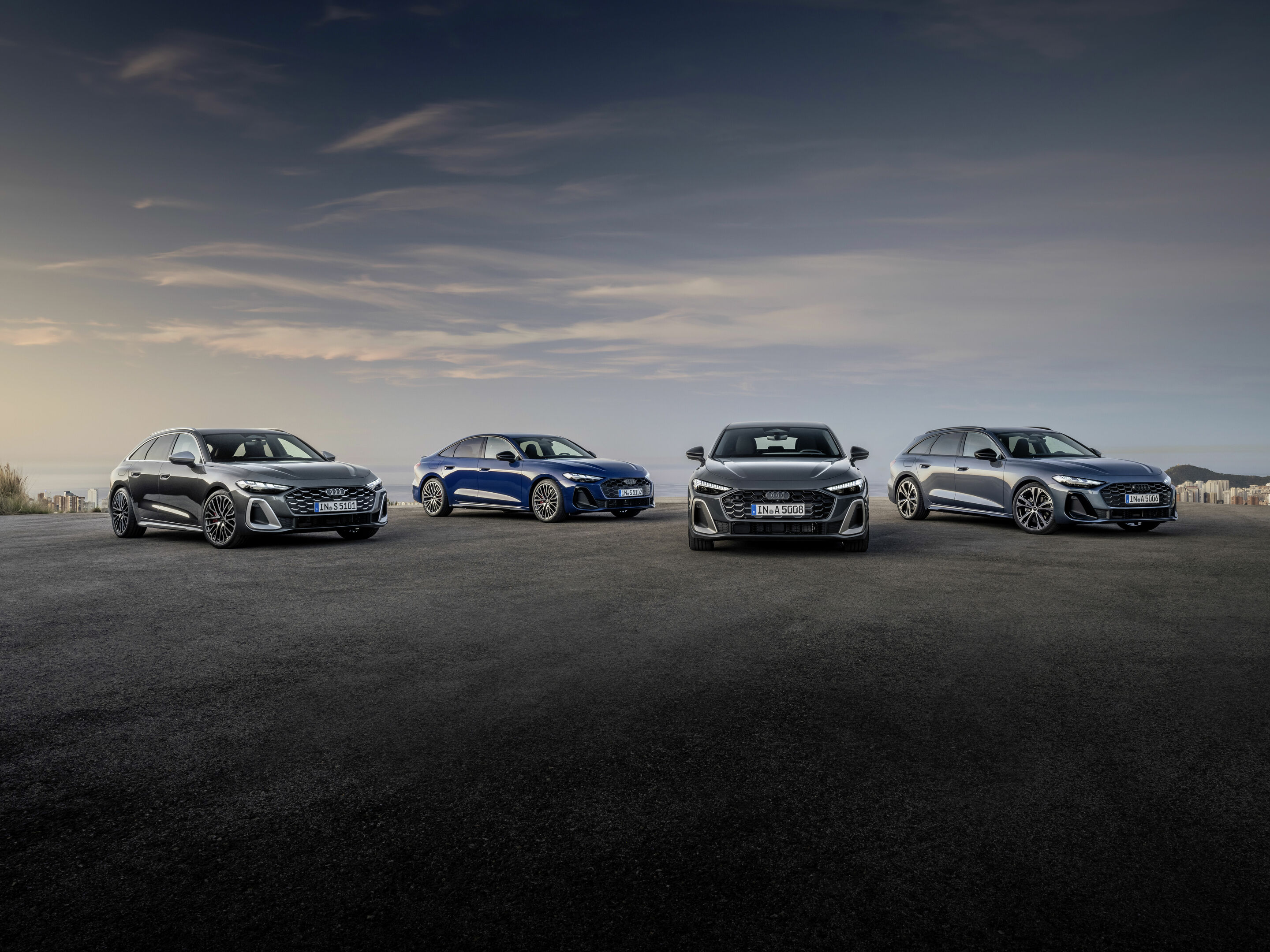
The new Audi A5 models: modern sportiness meets premium proportions
Audi is opening the next chapter in its successful history in the mid-size segment with the new A5 family. Thirty years after the first Audi A4, the sharpened design language of the latest generation, now called the Audi A5, impresses with its premium proportions. Both body styles, Sedan and Avant, perfectly embody the sporty essence of the Audi design philosophy. A new design language in the interior creates a generous feeling of space, placing the displays on a digital stage. A new operating concept increases interaction with the vehicle. Efficient, partially electrified combustion engines and evocative S models round off the range.
Press kit
-
Maximum flexibility: Audi’s plug-in hybrids
In addition to fully electric vehicles, Audi is also focusing on plug-in hybrids. The new e-hybrid models combine electric efficiency with traditional combustion-engine technology. This makes them especially versatile and well-suited for everyday use. Short distances can be covered locally with zero emissions and near-silent electric driving, while the combustion engine ensures range and convenience on longer trips. The intelligent and efficient mix of drive types enables a sporty yet comfortable driving experience.