Audi strengthens production network: integrated production and new fully electric model in Ingolstadt
The brand with the four rings continues to enhance its production network. Production of the Audi Q3 will begin at the main plant in Ingolstadt in mid-2026 in collaboration with Audi Hungaria in Győr, Hungary. Preparations for the start of production of the fully electric Audi A2 e-tron in Ingolstadt are well underway. Through a high degree of flexibility, the expansion of electric mobility, and tight-knit international collaboration, Audi is positioning its sites to be future-ready and competitive.
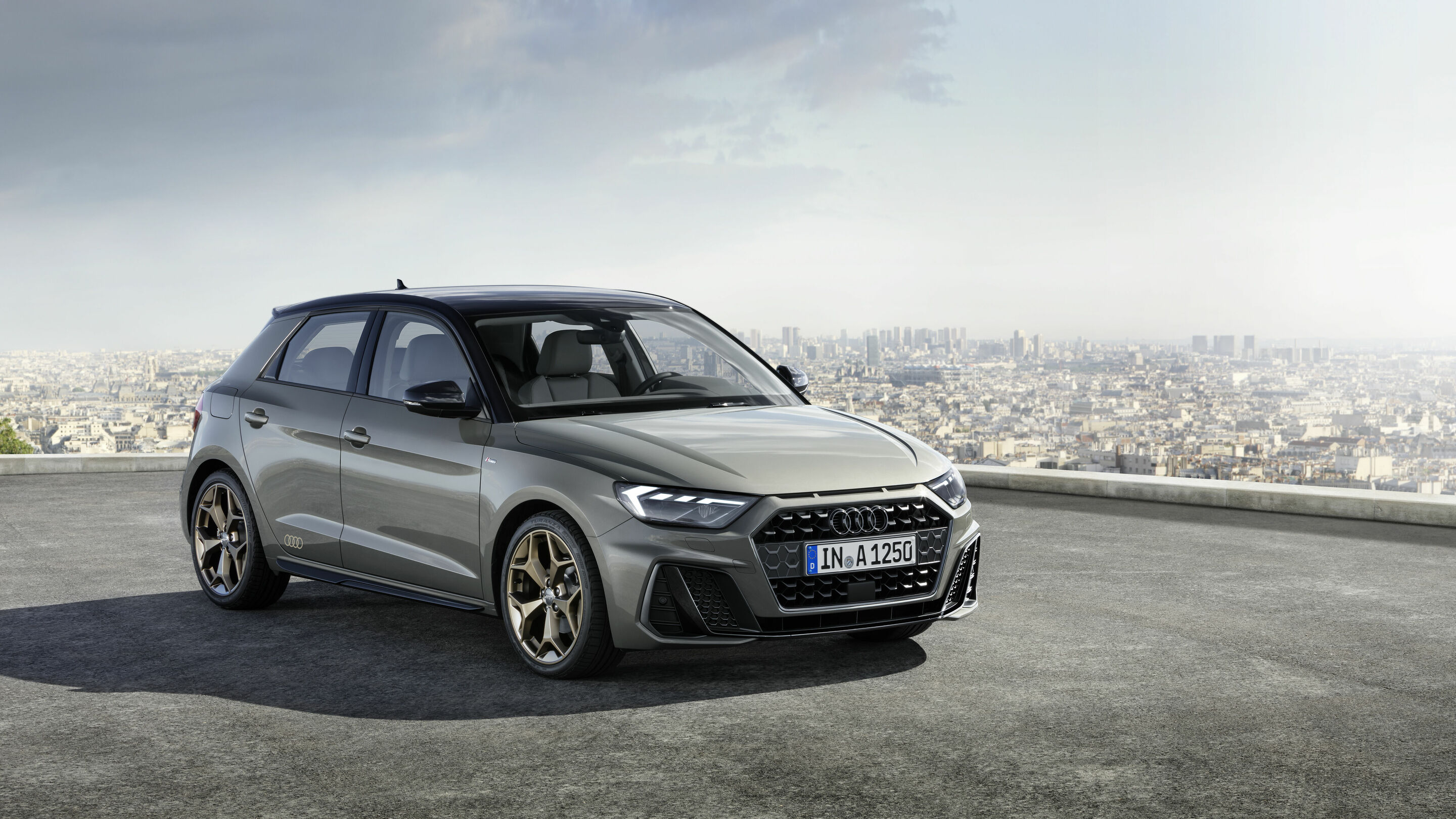
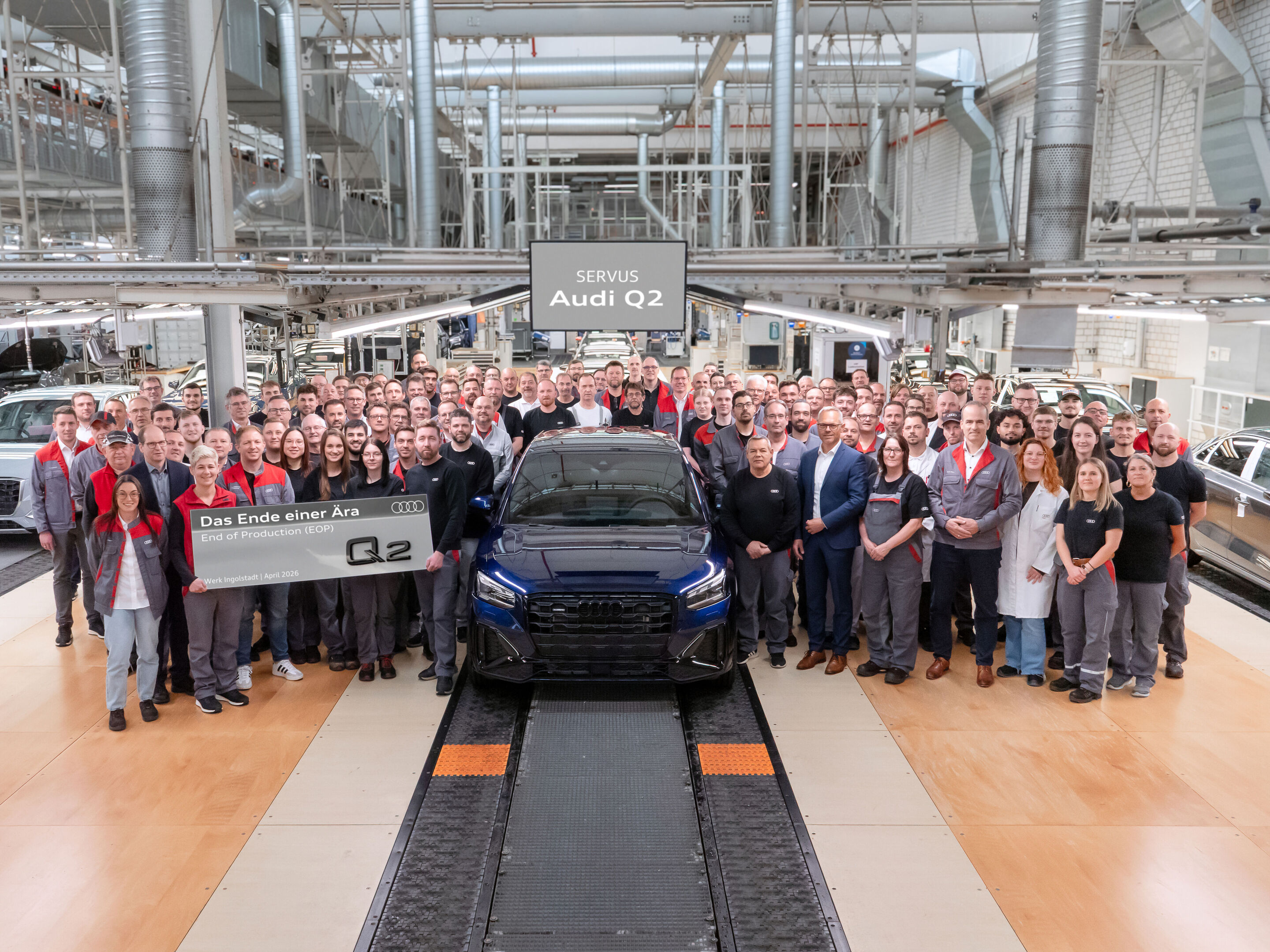
Production of the Audi Q2 at the Ingolstadt site will end in April. The compact SUV has been a staple of the production lineup at the main plant since 2016. The company has delivered 887,231 units to customers. At the same time, production of the Audi A1 is also winding down at the site in Martorell, Spain. Since the vehicle was launched in 2010, Audi has delivered 1,389,658 units.These two models are particularly popular in Germany, the United Kingdom, and Italy, among other markets.
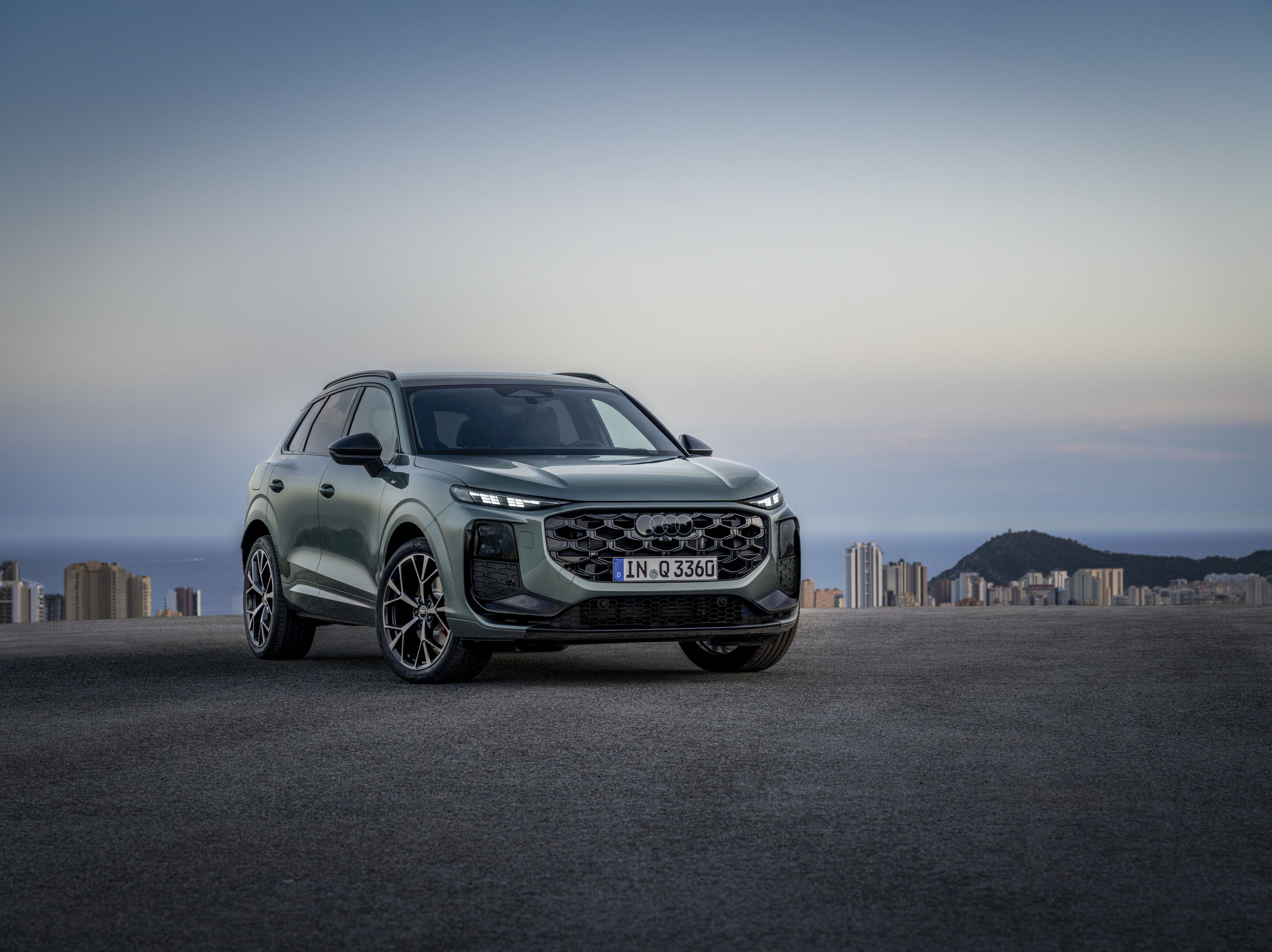
“The teams at the Ingolstadt plant have passionately driven the success of the Audi Q2. Working closely with Győr, we are turning a new page and will begin the integrated production of the Audi Q3 in mid-2026,” explains plant manager Siegfried Schmidtner. Through this partnership, Audi is meeting the strong demand for SUVs while ensuring balanced capacity utilization at both sites. The vehicle bodies for the additional volume will be manufactured in Győr and then painted and assembled in Ingolstadt. The integrated production of the Q3 is a core element of the agreement for the future signed in March 2025 and exemplifies the flexibility of the international production network.
From a logistics perspective, the joint production of the Audi Q3 serves as an example of close integration: in less than a year, the supply chain teams in Ingolstadt and Győr have established all the necessary logistics processes. Well-established logistics chains ensure the transport of the car bodies by rail.
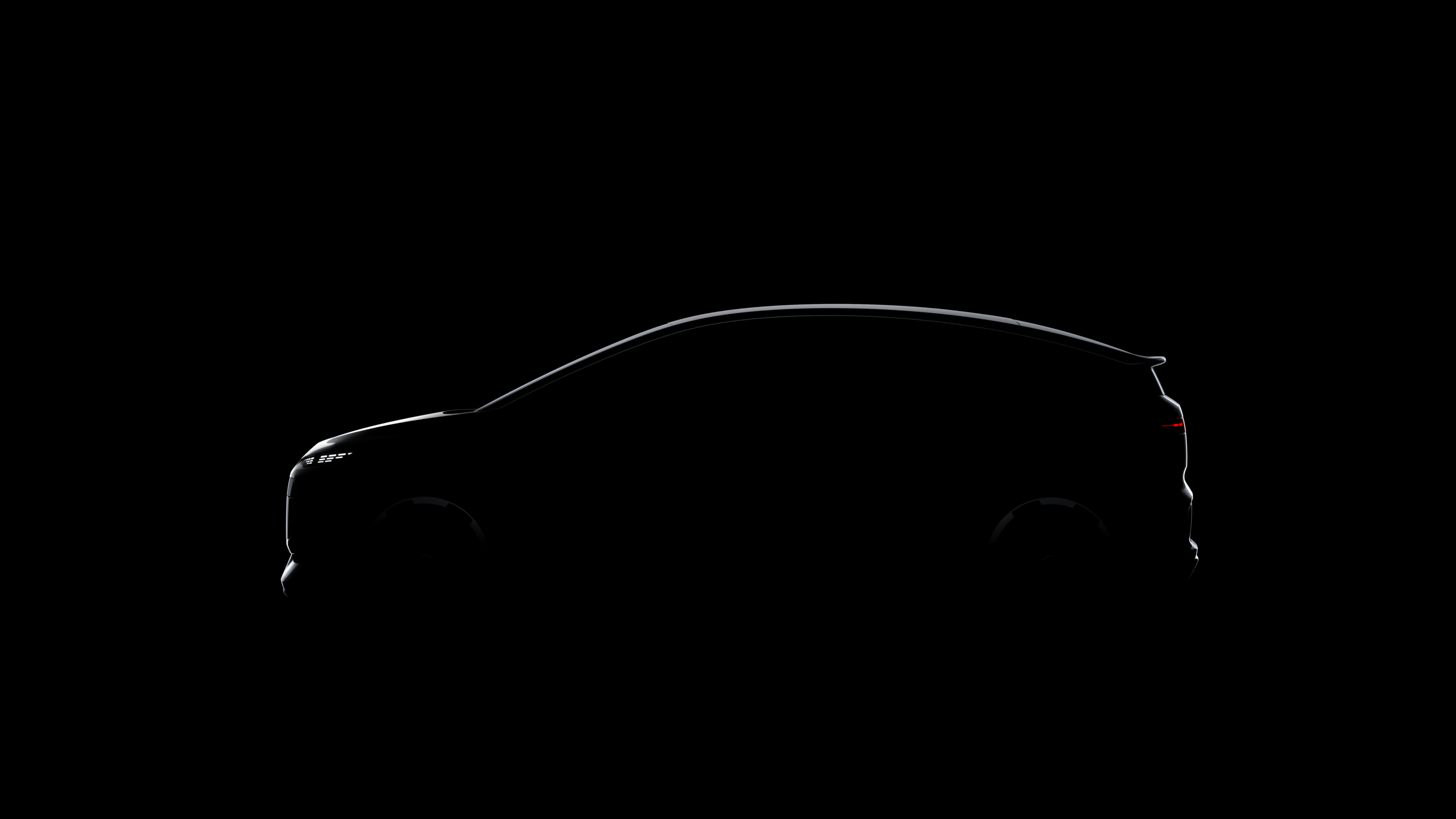
The team in Ingolstadt continues to produce two compact internal-combustion-engine models: the Audi A3 and the Audi Q3. At the same time, Audi is accelerating the electrification of its Ingolstadt site. Following the production launches of the Audi Q6 e-tron in 2023 and the Audi A6 e-tron in 2024, production of another fully electric product line will begin at the main plant this fall 2026.
“For Ingolstadt, the Audi A2 e-tron marks the next milestone on the path to electrification. I am proud that this car is being produced at our home plant,” says Schmidtner.
At the second German Audi site in Neckarsulm, the company has revamped the Audi A5 and A6 model families and is now close to completing the largest ramp-up in the plant’s history. The lineup will gradually be expanded to include key trim levels and engine variants. The new Audi RS 5 marked the start earlier this year. In addition, preparations are underway at Böllinger Höfe for the new electric model, as previewed by the Concept C show car. The fully electric sports model will be produced there from 2027.
Furthermore, Audi is developing the site into a competence center for digitalization and artificial intelligence (AI). The spatial proximity to the Heilbronn Digital Ecosystem with the Innovation Park for Artificial Intelligence (IPAI) plays a special role in this. Audi complements its own innovative strength with collaborations in this network and thus brings AI solutions into the company.
With its trio of combustion-engine, hybrid, and electric models, Audi is building a robust and flexible production network.